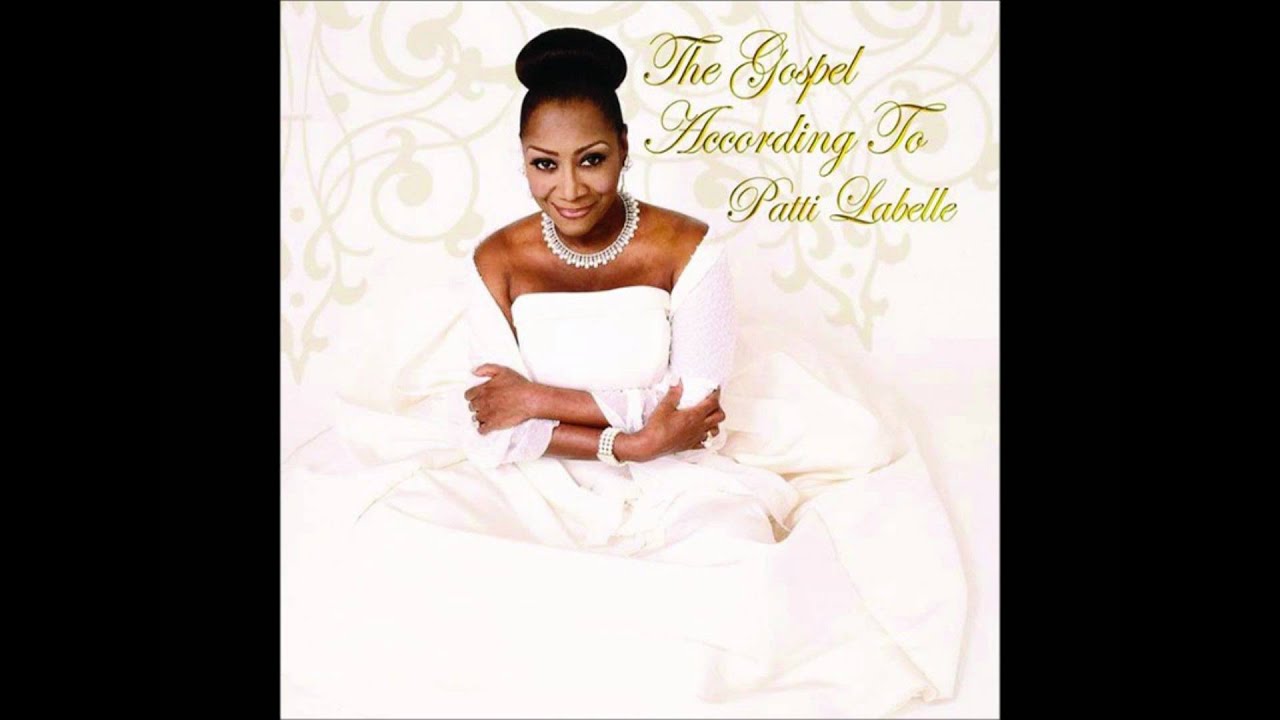
Patti LaBelle doesn't just sing a song. She lives in it, renovates it, and eventually blows the roof off the place. When she recorded You Are My Friend back in 1977, she wasn't just laying down a track for her self-titled solo debut album. She was basically defining a new era for herself after the high-glam, space-age funk of Labelle—the group that gave us "Lady Marmalade"—came to a screeching halt.
It was a risky move.
Going solo is terrifying for any artist, but for Patti, this song became the bridge. It’s a quiet monster of a track. It starts with that shimmering, gospel-infused piano and builds into a vocal performance that feels like an open-heart surgery. Honestly, if you've ever sat in a darkened room feeling like the world was closing in, this is the song you put on. It’s not just about friendship in the "let’s grab a coffee" sense. It’s about soul-deep, life-saving loyalty.
The Raw Origin of You Are My Friend
Most people don’t realize Patti actually co-wrote this one. She teamed up with her then-husband Armstead Edwards and Budd Ellison. It wasn't some manufactured hit sent over by a label executive looking for a radio-friendly hook. It was personal.
The lyrics are simple. "You are my friend / I never knew it 'til then." It sounds like something you’d write in a card, right? But when Patti sings it, those words carry the weight of someone who has seen the bottom and survived. 1977 was a pivot point. The group Labelle had disbanded due to internal tensions and creative differences. Patti was standing on her own for the first time in years.
She needed a friend. She found it in the music.
What's wild about the recording is the restraint. At first, anyway. She stays in this low, warm register that feels like a secret being shared. But then, the "Patti" happens. The runs start. The vibrato kicks in. By the time she’s wailing about how she "felt the spirit," you aren't just listening to a pop song. You’re in church. Even if you aren't religious, you feel something. That’s the magic of You Are My Friend. It’s a secular hymn.
Why the Live Versions Are Basically Religious Experiences
If you only know the studio version of You Are My Friend, you’re only getting half the story. Patti LaBelle is a live performer first and a recording artist second. There’s a famous performance from 1982 at the Hammersmith Odeon, and another legendary televised version from Live Aid in 1985, where she takes this song and stretches it into a ten-minute odyssey.
She kicks off her shoes. She rolls on the floor. She screams.
Some critics back in the day called it "over-singing." They clearly didn't get it. Patti isn't hitting notes to show off her range—though her range is ridiculous. She’s purging. When she performs You Are My Friend live, she often segues into "Sylvester's (You Make Me Feel) Mighty Real" or sprinkles in gospel ad-libs that make the audience lose their collective minds.
The Technical Brilliance (That Feels Natural)
Musically, the song is a masterclass in tension and release.
- The Tempo: It’s a slow burn. It sits right around 70-75 BPM, giving the vocals room to breathe.
- The Chord Progressions: It leans heavily on the IV and V chords, standard in gospel, which creates that feeling of "coming home."
- The Background Vocals: They act as a cushion, allowing Patti to fly off into the stratosphere without the song falling apart.
Listen to the way she handles the word "friend." Sometimes it’s a whisper. Sometimes it’s a four-syllable run that defies physics. It’s that unpredictability that keeps it from sounding like a dated 70s ballad. It feels alive every time.
Misconceptions About the Song’s Meaning
There's a common idea that this is just a "thank you" song to a romantic partner. Kinda, but not really. Over the decades, You Are My Friend has become an anthem for the LGBTQ+ community and for people dealing with profound loss. Patti herself has often dedicated the song to her sisters, all three of whom she lost to cancer before they turned 44.
When she sings it now, she’s singing to ghosts.
She’s singing to the fans who stayed by her through the lean years. It’s a song about the realization that you aren't alone, even when the person you're singing to isn't physically in the room anymore. That’s why it hits different than a standard love song. It’s sturdier. It’s built on grief as much as it is on gratitude.
The Cultural Footprint: From Soul Train to RuPaul
You can't talk about R&B history without acknowledging how this track paved the way for the "diva" ballads of the 80s and 90s. Without You Are My Friend, do we get Whitney Houston’s "I Will Always Love You" or Mariah Carey’s "Vision of Love"? Maybe, but the DNA would be different.
Patti showed that you could be massive. You could be loud. You could be "too much" and still have the most played song at every wedding and funeral in America.
The song has been covered, sampled, and lip-synced a thousand times. But nobody touches the original. There’s a specific "Patti growl"—that rasp she gets when she’s pushing from the diaphragm—that artists today still try to emulate. It’s the sound of experience. You can’t fake that in a booth with Auto-Tune. You have to live a little bit of life to sing "I never knew it 'til then" and make people believe you.
How to Truly Appreciate the Track Today
If you want to experience the song properly, don't just put it on as background music while you're doing dishes. It doesn't work that way. You have to actually listen.
- Find the Live in New York version from 1991.
- Pay attention to the transition between the second and third minute.
- Watch (or listen) for the moment she stops being a singer and starts being a conductor of energy.
The song is a reminder that friendship is a form of labor. It’s an acknowledgment of the people who saw you when you were invisible. In an era of "disposable" digital connections, a song that celebrates the slow, deep realization of a true bond feels more radical than ever.
Honestly, the track is a masterclass in emotional intelligence. It’s about the vulnerability of admitting you didn't see someone's value right away. "I never knew it 'til then." That’s a confession. It’s Patti admitting she was wrong, or maybe just distracted, until that friend stepped up.
Actionable Takeaways for Music Lovers
To get the most out of Patti LaBelle’s discography and this specific era of soul, there are a few things you should do next.
Compare the studio vs. live versions. Start with the 1977 album Patti LaBelle to hear the pristine, controlled version. Then, jump straight to her 1998 Live! One Night Only performance. The evolution of her voice—the deepening of the tone and the added grit—tells the story of her career better than any biography could.
Look into the songwriters. Armstead Edwards wasn't just her husband; he was her manager for years. Understanding their partnership adds a layer of intimacy to the lyrics. It wasn't a "business" song; it was a "home" song.
Listen for the influence. Put on a playlist of early 90s R&B. You’ll hear the "LaBelle" influence in the vocal arrangements of En Vogue, SWV, and even Boyz II Men (who Patti famously mentored).
Patti LaBelle remains the "Godmother of Soul" for a reason. She didn't just give us a hit; she gave us an emotional blueprint for how to say thank you to the people who keep us sane. You Are My Friend isn't just a track on a playlist. It’s a lifeline. If you haven't sat with it lately, you're missing out on one of the purest expressions of human connection ever captured on tape.
Next Steps for the Deep Dive:
- Audit the 1977 self-titled album to understand the sonic shift from the "Labelle" group sound to her solo identity.
- Search for the "Live Aid" 1985 performance on YouTube to see the song's power on a global stage.
- Read Patti’s autobiography, Don’t Block the Blessings, specifically the chapters regarding the late 70s, to get the context of her mental state when this song was recorded.



