So, you’ve finally made the jump and you are in Spain. Maybe you’re sitting at a plastic table in a sun-drenched plaza in Seville, or perhaps you’re shivering slightly in a drafty apartment in Madrid because, despite the postcards, Spanish winters are surprisingly bitey. The dream is real. But honestly, the "dream" usually hits a wall of paperwork and cultural quirks within the first forty-eight hours.
Spain isn't just a country; it's a series of seventeen autonomous communities that often feel like seventeen different planets. For a more detailed analysis into this area, we recommend: this related article.
Most people arrive thinking about tapas and siestas. Then they meet the padrón. Or they realize that "mañana" doesn't actually mean tomorrow—it just means "not right now." If you want to actually survive and thrive once you are in Spain, you have to stop looking at it like a tourist and start seeing the gears behind the clock.
The Bureaucracy Is the Final Boss
You’ll hear about the NIE (Número de Identidad de Extranjero). You’ll hear it's a nightmare. The rumors are true. To get more details on the matter, comprehensive reporting can also be found at AFAR.
Getting your paperwork sorted is the initiation ritual every expat must endure. It’s a Kafkaesque loop of "come back tomorrow" and "you need a different photocopy." In cities like Barcelona or Valencia, securing a cita previa (an appointment) can feel like trying to win the lottery. Some people literally pay "gestores" hundreds of euros just to navigate the system for them. It’s a legitimate industry built entirely on how confusing the Spanish government is.
But here’s the thing: once you have that little green card or white sheet of paper, the country opens up. You can get a phone contract. You can buy a car. You can finally stop feeling like a ghost in the system.
It’s worth mentioning the padrón. This is the municipal register. It’s basically telling the town hall, "Hey, I live in this specific building." Do not skip this. It’s the foundation for almost every other legal right you have, from healthcare to putting your kids in school. If you aren't on the padrón, you basically don't exist to the local government.
Life Doesn't Start Until 9 PM
If you try to eat dinner at 6 PM, you’re going to be eating alone in a place that caters exclusively to people who don't live there.
Spanish time is different. It’s shifted.
Lunch is the big event. It happens between 2 PM and 4 PM. This is when the menú del día rules the world. For about 12 to 15 euros, you get three courses, wine, and bread. It is the best deal in Europe, hands down. But if you have a job that follows a standard 9-to-5 US or UK schedule, you’re going to find yourself out of sync with the entire country.
The siesta is largely a myth for office workers, but the "split shift" (jornada partida) is very real. Many shops close from 2 PM to 5 PM and then stay open until 8 or 9. This means the streets are dead in the afternoon heat and then explode with life when the sun goes down.
When you are in Spain, you quickly learn that the "night" is when the real community happens. Grandparents are out with toddlers at midnight. It’s not because they’re irresponsible; it’s because the heat has broken and the plaza is the living room of the neighborhood.
The Language Trap
"I'll just learn Spanish when I get there."
Famous last words.
If you move to the Costa del Sol or parts of Alicante, you can probably get by with English and some aggressive gesturing. But you’ll be living in a bubble. And that bubble is expensive. To truly understand the nuance of where you are, you need the language.
However, "Spanish" isn't the only language.
If you find yourself in Bilbao, you’ll see Euskara. In Barcelona, it’s Catalan. In A Coruña, it’s Galician. These aren't just dialects; they are deeply held identities. Referring to Catalan as "a dialect of Spanish" is a great way to lose friends very quickly. Even if you only speak Castilian (what the world calls Spanish), acknowledging the local language goes a long way.
Understanding the Regional Divide
Spain is incredibly decentralized. The laws in Andalusia are not the laws in Galicia. Taxes vary. School holidays vary. Even the way people say "hello" changes.
- The North (Green Spain): Think Asturias and Cantabria. It rains. A lot. It looks like Ireland. The food is heavy on cider and beans (fabada).
- The Center: Madrid is the powerhouse. It’s high-altitude, dry, and intense.
- The South: Andalusia is the Spain of the movies. Flamenco, heat, and white-washed villages.
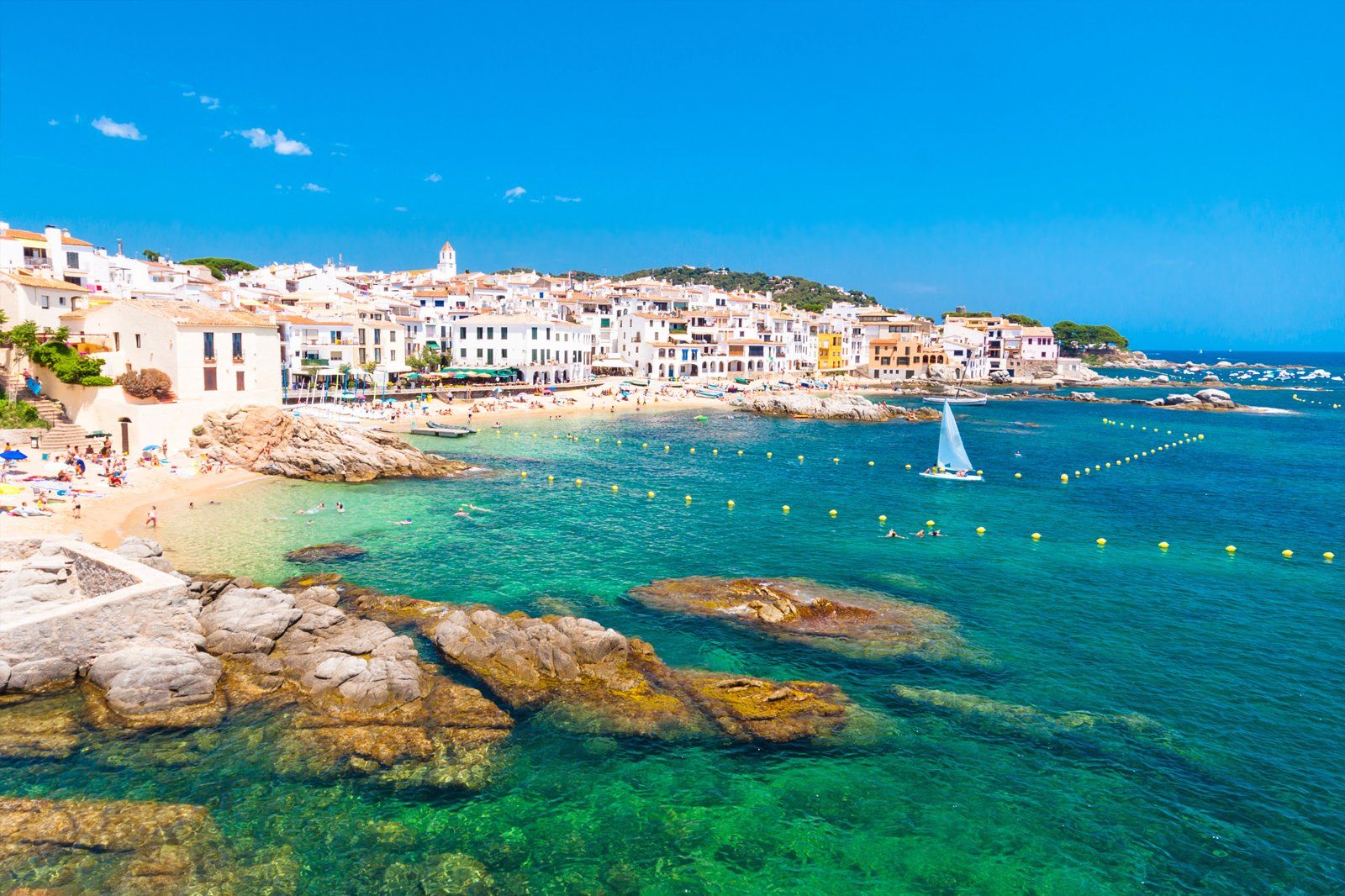
- The Mediterranean Coast: From Catalonia down to Murcia. High tourism, great weather, and a mix of industry and leisure.
The Cost of Living Reality Check
Is Spain cheap? Compared to London or New York, yes. Compared to the local salaries? Not really.
The "digital nomad" influx has pushed rents through the roof in cities like Málaga and Madrid. Locals are struggling. There is a palpable tension in some neighborhoods about gentrification. If you are in Spain on a foreign salary, you are in a privileged position, but it’s important to be aware of the local economy.
A coffee might still cost you €1.50 in a neighborhood bar, but your electricity bill in the winter—thanks to poorly insulated houses—might make you weep. Spain has some of the highest electricity costs in the EU. And because most apartments use electric heaters or "splits," staying warm in a Madrid January is surprisingly pricey.
Healthcare: The Jewel in the Crown
The Spanish healthcare system (Sistema Nacional de Salud) is consistently ranked as one of the best in the world. If you are working and paying into the system, you get access.
It’s not perfect. Waiting lists for specialists can be long. But the quality of care is exceptional. Many expats opt for private insurance as well, which is remarkably affordable compared to US standards—often under €100 a month for full coverage with no co-pays.
Social Etiquette: It's Louder Than You Think
Spanish people are direct.
In a bar, you don't say "Please, may I have a coffee when you have a moment?" You say "Un café," or maybe "Ponme un café." To an English speaker, it sounds rude. It isn't. It’s just efficient.
Personal space is also smaller here. People touch your arm when they talk. They kiss on both cheeks when they meet (well, they "air kiss" near the cheeks). If you’re a "low-touch" person, you’re going to have to adjust.
Also, the volume. Spain is loud. Bars are loud. Streets are loud. Construction starts early. Garbage trucks come late. If you’re looking for peace and quiet, don't move to a city center. Move to a pueblo, and even then, the church bells or the neighbor's rooster will probably find you.
Finding Work When You Are In Spain
If you don't have a remote job, the job market is tough. Spain has historically high unemployment rates, especially for young people.
To land a local job, you usually need:
- High-level Spanish (B2 or C1).
- Specialized skills (Tech is big in Málaga and Barcelona).
- Patience for the "enchufismo" (networking/cronyism) that still exists in many traditional companies.
The rise of the Digital Nomad Visa has changed the game for non-EU citizens, making it easier to live here while working for companies abroad. It’s a game-changer, but make sure you’re paying your taxes correctly. The Hacienda (Spanish tax agency) is famously aggressive and they will find you.
Misconceptions About the Food
Tapas are not just "small plates of food you pay for." In some places, like Granada or León, they are free with a drink. In the Basque Country, they are pintxos, and they sit on the bar, and you pay based on how many sticks are on your plate at the end.
Also, paella is not a dinner food. It’s a lunch food. Eating paella at 10 PM is the ultimate tourist giveaway. Real paella comes from Valencia, and no, it shouldn't have chorizo in it (unless you want to offend an entire region).
Actionable Steps for Your First Month
Living in Spain is a marathon, not a sprint. To make the transition smoother, focus on these immediate moves:
Secure your digital certificate. This is a file you install on your browser that lets you sign official documents and deal with the government online. It will save you dozens of trips to physical offices. You can get it through the FNMT (Fábrica Nacional de Moneda y Timbre).
Join local Facebook or Telegram groups. Forget the "Expat" groups for a second and look for "Vecinos [Your Neighborhood]" groups. This is where you find out who the good plumber is and which supermarket is having a sale.
Open a local bank account early. Online banks like Revolut or N26 are great, but for some Spanish utilities, you need a Spanish IBAN (starting with ES). Neobanks like MyInvestor or traditional ones like BBVA (which has a good app) are popular choices.
Learn the "Voseo" and "Usted" nuances. Even if your Spanish is basic, knowing when to be formal (Usted) and when to be informal (Tú) changes how locals perceive you. When in doubt, start formal with older people and wait for them to tell you to "tutear" (use the tú form).
Embrace the walk. Spain is a walking culture. You’ll do 10,000 steps a day just going to the pharmacy and the bakery. Invest in good shoes. Your feet will thank you long before your soul does.
Spain rewards the patient. If you fight the rhythm, you’ll be stressed. If you accept that things take time, that the sun is hot, and that the paperwork is a mess, you’ll find a quality of life that’s hard to beat anywhere else on the planet.