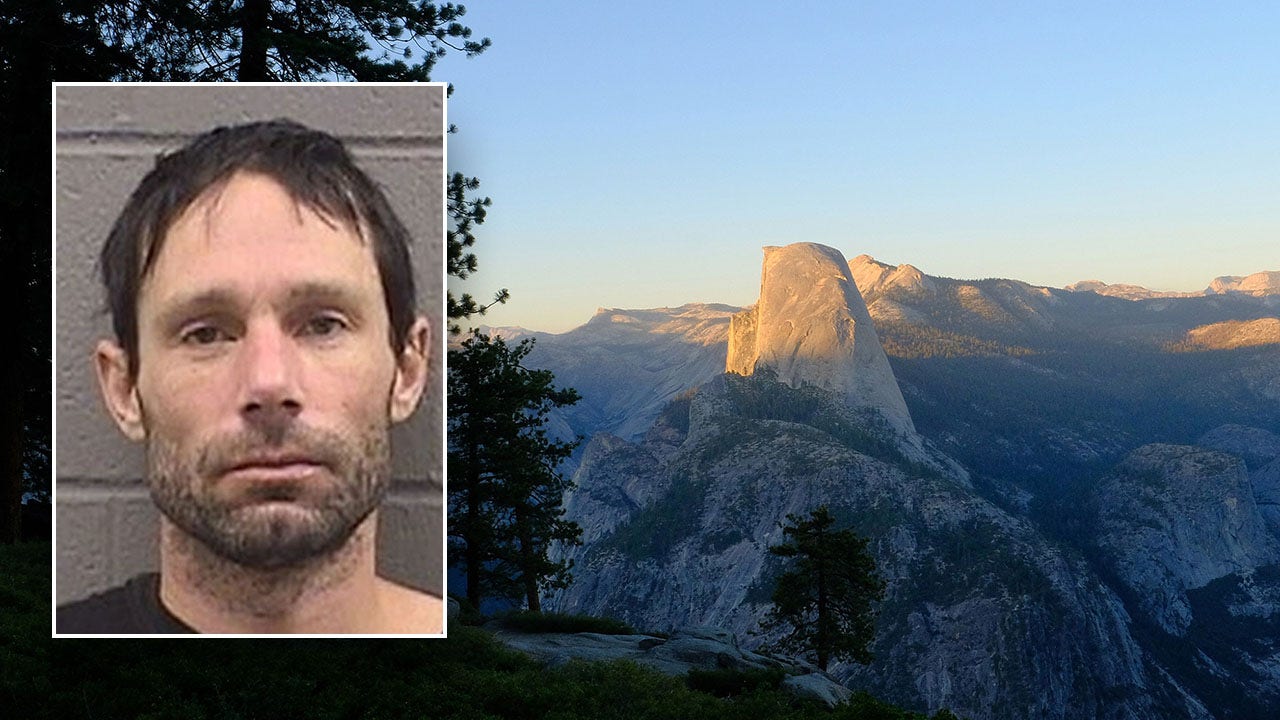
Yosemite is supposed to be a cathedral of granite and giant sequoias. It's where you go to feel small in a good way. But in 1999, that silence turned heavy. People stopped looking at the cliffs and started looking over their shoulders.
Between February and July of that year, four women disappeared.
The yosemite national park murders didn't just happen; they unravelled in a series of horrific, public beats that kept the national news cycle in a chokehold for months. Honestly, it's the kind of story that feels too dark for a postcard. You have a mother, a daughter, an exchange student, and a beloved park naturalist. All gone. And for a long time, the FBI was chasing the completely wrong people.
The Cedar Lodge Disappearance
It started at the Cedar Lodge in El Portal. That’s just outside the park boundary. Carole Sund, her 15-year-old daughter Juli, and their 16-year-old friend Silvina Pelosso were staying there on a sightseeing trip.
They never checked out.
Their rental car, a red Pontiac Grand Prix, was gone. No signs of a struggle in the room. Just... empty space. For weeks, the search was massive. Search and rescue teams, volunteers, and FBI agents swarmed the rugged Sierra Nevada terrain.
Then, a hiker found the car.
It was tucked away in a remote woods near Long Barn, over 100 miles from the motel. It had been torched. Inside the trunk were the charred remains of Carole Sund and Silvina Pelosso. They were burned beyond easy recognition; dental records had to do the heavy lifting for the ID.
But Juli was still missing.
A week later, the FBI got a letter. It included a hand-drawn map with a note that said, "We had fun with this one." Following that map led them to Juli Sund’s body near Lake Don Pedro. Her throat had been cut.
The FBI’s Big Mistake
Here’s the thing about the yosemite national park murders: the investigation was a mess at first. The FBI focused on a "loosely knit group of local hoodlums." They were convinced a pack of meth users and ex-cons had targeted the women.
They even had people in custody.
Special Agent James Maddock was so sure they had their guys that he basically told the public the threat was over. He was wrong. While the feds were patting themselves on the back, the real killer was still fixing toilets and changing lightbulbs at the Cedar Lodge.
His name was Cary Stayner.
Stayner was a handyman at the motel. He’d actually been interviewed by agents early on, but he was "too nice." He was calm. He was "ordinary." He even helped the agents collect evidence from the motel rooms. They literally looked him in the eye and walked away.
The Death of Joie Armstrong
The nightmare surged back in July.
Joie Ruth Armstrong, a 26-year-old naturalist for the Yosemite Institute, was found decapitated near her cabin in the park. She was an ebullient, strawberry-blond woman who spent her days teaching kids about the forest.
Her death broke the "isolated incident" theory.
This time, someone had noticed a vehicle: a blue and white 1972 International Scout. That truck belonged to Cary Stayner. Within days, the FBI caught up with him at a nudist colony near Sacramento.
He didn't fight. He didn't even deny it.
During a ride to the FBI office with Special Agent Jeff Rinek, Stayner started talking. He confessed to Joie’s murder first. Then, in a move that stunned the agents, he admitted to killing Carole, Juli, and Silvina. He told them he'd been fantasizing about murdering women since he was seven years old.
The Stayner Family Shadow
You can't talk about these crimes without mentioning Cary's brother, Steven Stayner.
In 1972, Steven was kidnapped by a child molester and held for seven years before escaping. His story was a national sensation, turned into the book and movie I Know My First Name Is Steven.
Cary lived in that shadow.
While Steven was a hero, Cary felt forgotten. Some psychologists argued this trauma fueled his descent, but Cary himself said the dark thoughts were there before his brother even disappeared.
It’s a grim layers-of-the-onion situation.
Cary Stayner eventually pleaded guilty to Joie Armstrong's murder in federal court to avoid the death penalty. He got life. But in state court for the Sund-Pelosso killings, the jury wasn't as lenient. He was sentenced to death and currently sits on death row at San Quentin, though California has a moratorium on executions.
Survival and Safety Insights
The yosemite national park murders changed how people visit the park. The illusion of total safety in nature was shattered. While the park is statistically very safe, this case serves as a permanent reminder to stay vigilant even in "paradise."
- Trust your gut: Multiple people saw Stayner and felt "off," but he was an employee, so they ignored it. If a situation feels wrong, leave.
- Stay in groups: The victims were targeted when they were in isolated or vulnerable positions.
- Check-ins matter: The delay in finding the Sund party was partly due to the time it took to realize they were missing. Always leave a detailed itinerary with someone outside the park.
- Verify staff: Don't assume someone is safe just because they have a uniform or a nametag. Stayner used his "handyman" status to gain access.
If you're heading to Yosemite, the best way to honor the memory of those lost is to enjoy the park with a heightened sense of awareness. Check the National Park Service (NPS) Investigative Services branch for updates on safety protocols and any active cold cases.
You should also look into the work of the Carole Sund/Carrington Memorial Reward Foundation, which was established by Carole’s parents to help other families of missing persons. Their work has turned a horrific tragedy into a lifeline for hundreds of people across the country.