Yosemite is usually where you go to feel small in a good way. You stand under El Capitan or look at Half Dome, and the world’s noise just... stops. But in 1999, that silence became something a lot more sinister. People weren't just looking at the granite; they were looking over their shoulders. Honestly, the Yosemite National Park killings changed how a lot of us view the "great outdoors." It wasn't just a tragedy; it was a bizarre, sprawling mess of an investigation that actually saw the FBI chasing the wrong guys while the real killer was right under their noses, handing them evidence.
The Sightseer Murders: A Disappearance in the Mist
It started in February. Carole Sund, her 15-year-old daughter Juli, and their friend Silvina Pelosso—a 16-year-old exchange student from Argentina—were on what should have been a dream trip. They were staying at the Cedar Lodge in El Portal, which is basically the doorstep to the park.
Then, they just vanished.
Their rental car, a red Pontiac Grand Prix, was gone. No credit card usage. No phone calls. For weeks, the Central Valley was plastered with "Missing" posters. Because Carole's wallet was found in Modesto, the FBI initially thought they’d been carjacked or kidnapped by a local meth ring.
They were half right about the "local" part, but totally wrong about the "who."
A Chilling Discovery
In March, things got dark. A hiker found the burned-out shell of the Pontiac in a remote woods area near Long Barn, over 100 miles from the motel. Inside the trunk were the charred remains of Carole and Silvina.
But Juli was missing.
Then the killer did something truly deranged. He sent an anonymous note to the FBI with a hand-drawn map. At the top, it said: "We had fun with this one." The map led investigators straight to Juli’s body near Don Pedro Reservoir. Her throat had been slashed.
The Man in Plain Sight
While the FBI was publicly patting themselves on the back for rounding up a group of local "tweakers" and career criminals they were sure did it, the real predator was still punching the clock at the Cedar Lodge.
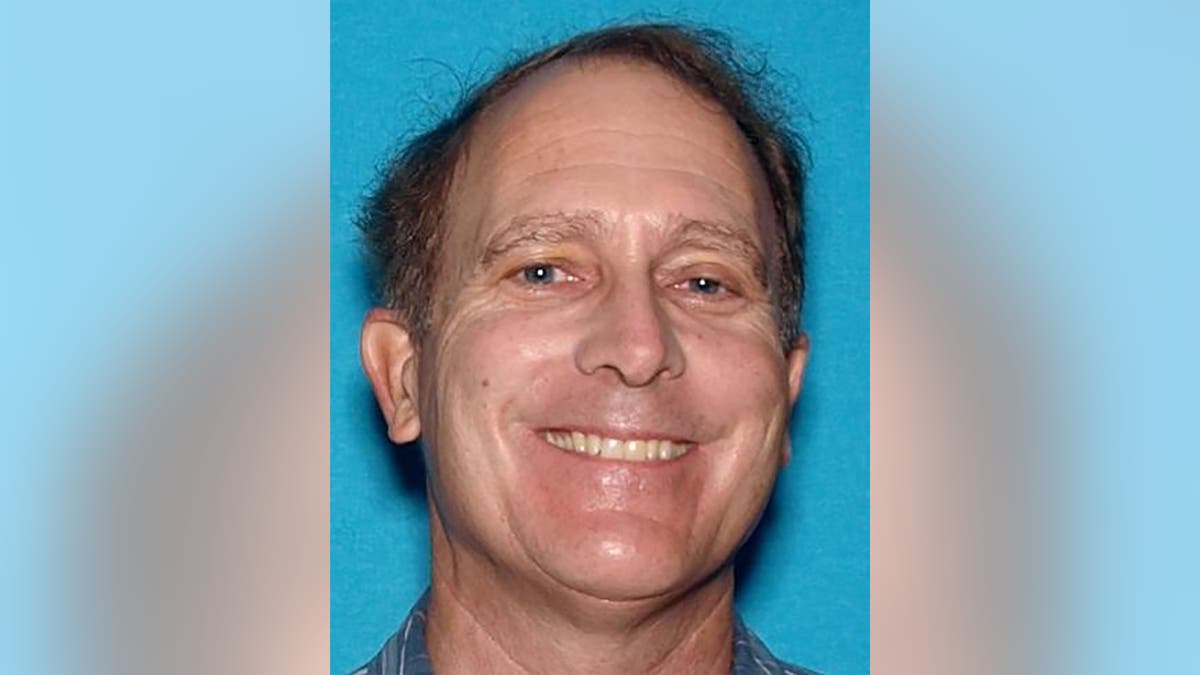
Cary Stayner.
He was the handyman. He was "nice." He was quiet. He even sat down for interviews with the FBI during the initial search. He was so low on their radar that he actually helped agents collect blankets and samples from the motel rooms. You've got to wonder how he felt—watching the "experts" build a case against guys who had nothing to do with it while he was probably already planning his next move.
The Death of Joie Armstrong
The "meth ring" theory blew up in July 1999. Joie Ruth Armstrong, a 26-year-old naturalist who worked for the Yosemite Institute, was found decapitated near her cabin in the Foresta area.
This hit the community hard. Joie was a light—a vegetarian, an environmentalist, someone who literally spent her days teaching kids to love the park. Her death was different from the Sund-Pelosso murders; it was more impulsive, more brutal in a way that suggested the killer was losing his grip.
How the Yosemite National Park Killings Were Finally Solved
Luck—or maybe Stayner's own ego—finally ended the spree. A witness had spotted a blue 1972 International Scout near Joie’s cabin. That truck belonged to Stayner.
The FBI picked him up at a nudist resort in Wilton. During the drive to Sacramento, Special Agent Jeff Rinek did something interesting: he didn't grill him. He just talked to him. He treated him like a human.
Stayner cracked.
Over pizza, he confessed to everything. He admitted he’d been fantasizing about murdering women since he was seven years old. He told them how he used a fake maintenance excuse to get into the Sunds' room. He described the murders in chilling, detached detail.
The Brother Connection
You can't talk about Cary without mentioning his brother, Steven Stayner. In 1972, Steven was kidnapped and held for seven years before escaping and returning home. It was a massive media story (the movie I Know My First Name is Steven was based on it).
While Steven was a hero, Cary felt invisible. Some psychologists think the trauma of the kidnapping, combined with the "shadow" Cary lived in, fueled his resentment. But Cary himself said the "voices" and the fantasies started way before Steven was taken.
Is Yosemite Safe Today?
People still ask this. It’s a fair question. The Yosemite National Park killings were an anomaly, but they left a scar.
Honestly, the park is incredibly safe. Millions of people visit every year without incident. Statistically, you're in way more danger driving to the park than you are once you get there. But Stayner proved that evil doesn't always look like a monster; sometimes it just looks like the guy fixing the sink in your hotel room.
Real Talk on Park Safety
- Trust your gut. If someone feels "off," even if they have a uniform or a nametag, don't ignore it.
- Solo travel is fine, but be smart. Tell people where you are. Check in.
- The "handyman" ruse. This is a big one. Most reputable hotels won't send maintenance to your room unless you called for them. If someone knocks unannounced, call the front desk to verify.
The legacy of Joie Armstrong lives on through the Armstrong Scholars program, which takes young women on backpacking trips in the Sierras. It's a way of reclaiming the wilderness from the memory of what happened in 1999.
If you're headed to Yosemite, go. See the falls. Hike the Mist Trail. The park belongs to the hikers and the dreamers, not the ghosts of the past.
Next Steps for Your Trip: If you're planning a visit and want to stay safe while enjoying the backcountry, you should check out the current NPS Wilderness Safety guidelines. It’s also worth looking into the Armstrong Scholars program if you want to see how Joie’s legacy is actually helping the next generation of female explorers.