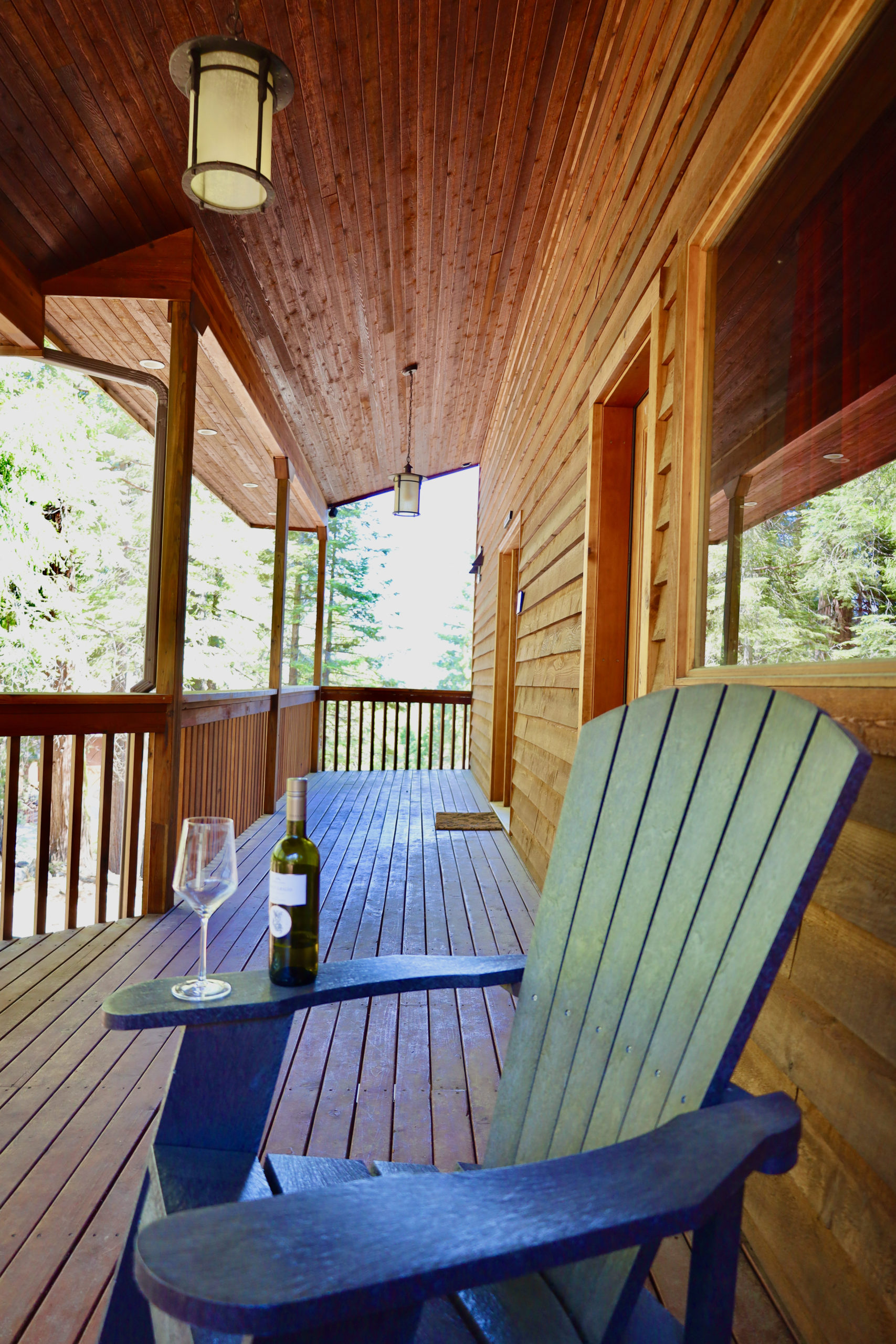
Eating in Yosemite National Park is, quite frankly, a bit of a nightmare. If you’ve ever stood in a forty-minute line at the Yosemite Village Grill just to pay twenty dollars for a lukewarm burger, you know exactly what I’m talking about. It’s exhausting. After a twelve-mile hike up Mist Trail, the last thing anyone wants to do is forage for a table among hundreds of other tourists or survive on a diet of expensive granola bars. This is why finding Yosemite lodging with kitchen facilities isn't just a luxury; it's a survival strategy for your sanity and your wallet.
People think they want the "classic hotel experience" at the Majestic (formerly the Ahwahnee). Don't get me wrong, that building is a masterpiece of National Park Service architecture. But try making a midnight snack or a quick breakfast for three kids in a standard hotel room. It doesn't happen. You end up with crumbs in the bed and a hefty bill from the dining room. Having a stove changes everything. It turns a chaotic trip into an actual vacation where you can sear a steak while the sun sets over the granite walls of the valley.
The Reality of In-Park vs. Out-of-Park Options
Let’s be real about the geography here. Yosemite is massive. It’s over 1,100 square miles. Where you stay determines whether you’re spending your morning at a trailhead or stuck in a line of idling Subarus at the Arch Rock Entrance.
If you want a kitchen inside the park gates, your options are surprisingly limited but high in demand. Most people immediately think of the Yosemite West neighborhood. It’s a private enclave located inside the park boundary, tucked away near the intersection of Wawona Road and Glacier Point Road. Because it’s private land, you’ll find actual homes and condos here. Places like Yosemite Scenic Wonders manage a huge inventory of these. These aren't just "kitchenettes" with a microwave and a prayer; these are full-blown kitchens with ovens, dishwashers, and full-sized refrigerators. You can actually cook a Thanksgiving dinner here if you’re so inclined.
Then there’s Wawona. It’s further south. It feels different—older, slower, more like a mountain village. The Redwoods in Yosemite is the big player there. They manage over a hundred cabins. Some are tiny "studios" for couples, while others are massive six-bedroom estates. Every single one has a kitchen. The trade-off? You’re about a 45-minute drive from the Valley floor. But you’re right next to the Mariposa Grove of Giant Sequoias. For some, that’s a better deal than being shoved into the crowded Valley.
Why the Valley Floor is a Kitchen Desert
Inside Yosemite Valley itself—the place everyone sees on the postcards—finding a kitchen is nearly impossible. The National Park Service and its primary concessionaire, Yosemite Hospitality (a subsidiary of Aramark), don't really do "self-catering" in the traditional sense.
The closest you get is the Curry Village (formerly Half Dome Village) tent cabins, which have... well, they have nothing. You aren't even allowed to keep food in them because of the bears. You have to use bear lockers. If you want Yosemite lodging with kitchen access in the heart of the Valley, you basically have one very specific, very expensive option: certain suites at the Yosemite Valley Lodge. Even then, they are more like kitchenettes.
Honestly? If you’re dead set on the Valley and need to cook, you’re better off camping at Lower Pines or North Pines and bringing a Coleman stove. But we’re talking about lodging here, not sleeping on the ground.
The Secret Spots Just Outside the Gates
If you’re willing to drive fifteen minutes, the quality of your "kitchen" experience skyrockets. El Portal is the town sitting right on the edge of the Arch Rock entrance. It’s basically the park's backyard.
Yosemite View Lodge is the big name here. It’s perched right on the Merced River. Most of their rooms come with kitchenettes. Now, "kitchenette" is a loose term. In some rooms, it’s a two-burner stove and a small sink. It’s enough for pasta or eggs, but don't expect to be Gordon Ramsay in there. The real perk is the balcony overlooking the river. There is something fundamentally healing about drinking coffee you made yourself while watching the Merced roar past your window.
Further out on Highway 140, you hit Midpines. This is where AutoCamp Yosemite sits. It’s trendy. It’s Instagrammable. They have Airstreams with high-end modern interiors. While the Airstreams have kitchenettes, they also have private fire pits with grill grates. It’s a different kind of cooking. It’s "glamping" cooking. If you want a "real" kitchen, they have luxury cabins on-site too. It’s expensive, but the vibe is unmatched if you like that modern-rustic aesthetic.
Navigating the Bear Problem (Yes, Seriously)
When you book Yosemite lodging with kitchen setups, you inherit a responsibility that most hotel guests ignore: bear management. This isn't just a "safety tip" the rangers give you to be annoying. It’s a serious issue.
If you stay in a cabin in Yosemite West or Wawona, you cannot leave food in your car. Ever. Not even for five minutes to run inside and grab a suitcase. Yosemite bears are smart. They recognize coolers. They recognize grocery bags. They will peel a car door open like a tin of sardines if they smell a stray bag of beef jerky.
When you're cooking in your rental, you have to be meticulous.
- Don't leave the grill messy.
- Keep the windows shut if you’re frying bacon (bears love bacon more than you do).
- Take the trash to the bear-proof dumpsters immediately.
- Never leave food on the deck.
It sounds like a lot of work. Kinda is. But it’s the price you pay for living in their neighborhood. Honestly, seeing a black bear from a safe distance while you’re flipping pancakes is a highlight of most people's trips, provided that bear stays on the other side of the glass.
Price Comparisons: Is the Kitchen Worth the Premium?
Let’s talk numbers. A standard room at the Yosemite Valley Lodge can easily run you $300 to $450 a night depending on the season. You get two queen beds and a bathroom. No fridge usually, or maybe a tiny one that barely fits a bottle of water.
A condo in Yosemite West with a full kitchen might cost $400 to $600. On the surface, it looks more expensive. But do the math on the food. A family of four eating three meals a day in the park will easily spend $200 a day on mediocre cafeteria food and overpriced coffee.
- Breakfast: $60 (Eggs, bacon, coffee for four at a lodge).
- Lunch: $80 (Sandwiches, chips, and drinks packed from the village store).
- Dinner: $120+ (Sit-down meal with drinks).
If you spend $150 at a grocery store in Mariposa or Oakhurst on your way into the park, that food will last you three or four days. The "kitchen premium" pays for itself by day two. Plus, you’re eating better. You can have fresh spinach, decent wine, and actual fruit that hasn't been sitting under a heat lamp for six hours.
The Best Places to Grocery Shop Before You Arrive
Do not—I repeat, do not—expect to do your full grocery shopping inside the park. The Yosemite Village Store is great for emergencies, souvenirs, and firewood. It is not the place to buy a week's worth of perishables. The selection is hit-or-miss, and the prices are exactly what you’d expect for a captive audience in a remote valley.
- Oakhurst (Highway 41): This is the best stop if you’re coming from Fresno or Southern California. There’s a Vons and a Raley’s. They are massive, well-stocked, and have everything.
- Mariposa (Highway 140): A bit smaller but very charming. Pioneer Market is the go-to here. They have a great deli and local produce.
- Groveland (Highway 120): If you're coming from the Bay Area, stop at Mar-Val Food Stores. It’s the last real grocery store before you climb into the high country.
Hidden Gems: Tenaya at Yosemite
If you want a mix of "resort luxury" and "home cooking," look at Tenaya at Yosemite (formerly Tenaya Lodge) just outside the South Entrance. They recently added these "Explorer Cabins." These are separate from the main hotel building. They are nestled in the woods and come with beautiful kitchenettes.
The cool thing about Tenaya is that you get the kitchen, but you also get the resort amenities. You can go for a hike, come back, make a sandwich in your cabin, and then go use the resort’s indoor/outdoor pools or the spa. It’s the best of both worlds. It’s especially great for people who want the convenience of a kitchen but don't want to feel "isolated" in a remote cabin.
Why Seasonality Matters for Your Kitchen Search
Yosemite is a different beast in the winter. From November through April, many roads close. If you book a place with a kitchen in Yosemite West, you must have tire chains in your car. No exceptions. Even if you have 4WD, the rangers will check.
In the winter, having a kitchen is even more vital. Many of the park's smaller eateries close down for the off-season. The Valley can feel a bit like a ghost town after dark. Coming back to a warm cabin, throwing some wood in the stove, and simmering a big pot of chili is basically the peak Yosemite winter experience.
In the summer, the kitchen is your escape from the crowds. The Valley is loud and hot in July. Being able to retreat to a private home in the forest where you can grill on a deck is a massive relief. It gives you a sense of ownership over your trip that you just don't get when you're sharing a hotel hallway with a hundred other people.
Critical Checklist for Your Yosemite Kitchen Rental
Not all kitchens are created equal. Before you click "book" on that VRBO or Expedia listing, you need to check a few things that travel sites often gloss over:
- The Coffee Situation: Does it have a Keurig or a drip machine? If it’s a drip, did they provide filters? I’ve seen many vacations start with a grumpy, caffeine-deprived morning because the filters were missing.
- Spice Cabinet: Most rentals have salt and pepper. Don't assume they have oil, sugar, or spices. Bring a small "kitchen kit" with your essentials.
- Dishwasher Soap: Usually provided, but always worth a check in the reviews.
- The Grill: In the summer, check if it’s propane or charcoal. If it's charcoal, you need to buy bags of coals at the store in Mariposa or Oakhurst.
Final Advice for the Self-Catering Traveler
If you’re looking for Yosemite lodging with kitchen amenities, you’re already ahead of the curve. You’re choosing a better way to experience the Sierra Nevada. You’ll save money, eat better, and actually have a place to sit and talk with your family without a TV blaring in a cramped hotel room.
Just remember to book early. The places with kitchens—especially the Yosemite West condos and the Redwoods in Wawona—fill up six to twelve months in advance for the summer season. If you find an opening, grab it.
Next Steps for Your Trip Planning:
- Map your route: Decide which entrance you are using (41, 140, or 120) before choosing your lodging, as this dictates where you will shop for groceries.
- Verify the "Kitchen" definition: Contact the property directly to ask if it’s a "Full Kitchen" (oven included) or a "Kitchenette" (usually just a cooktop/microwave) to plan your meals accordingly.
- Inventory your gear: If you are staying in a cabin, pack a high-quality cooler for the drive and a "dry box" for snacks to keep everything organized and bear-safe.
- Check for fire restrictions: In late summer, some cabins may prohibit the use of outdoor charcoal grills due to wildfire risk; have a backup plan for indoor cooking.
The effort of planning your meals is a small price for the freedom of a private kitchen in one of the most beautiful places on Earth. Pack the good coffee, buy the expensive steaks, and enjoy the park on your own terms.