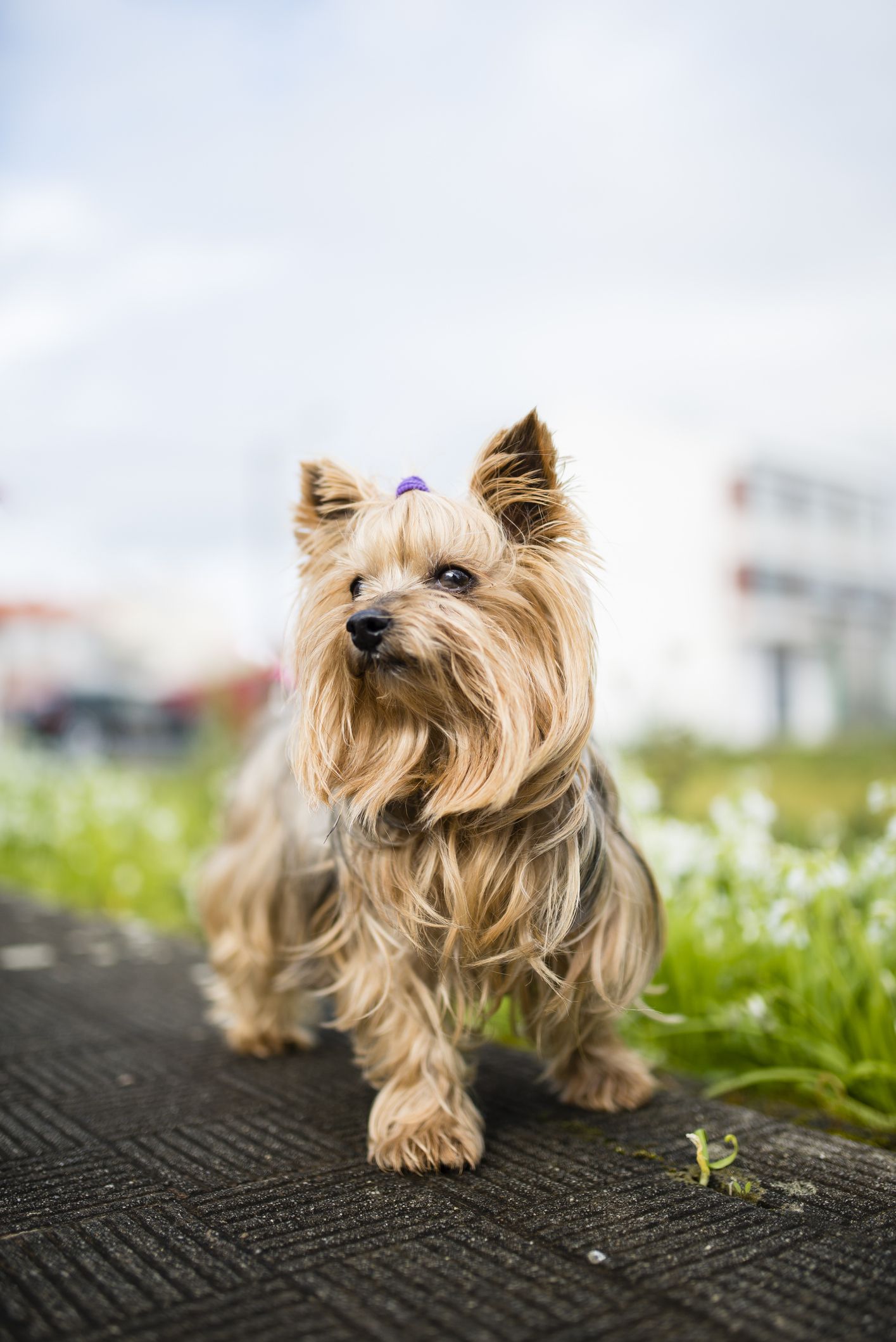
You've probably heard it a thousand times from breeders or well-meaning neighbors. "Oh, get a Yorkie! They're hypoallergenic." It sounds like a dream for those of us who start sneezing the second a golden retriever enters the zip code. But honestly, the term "hypoallergenic" is one of the most misunderstood labels in the pet world. There is no such thing as a 100% allergy-free dog. Not one.
When people talk about yorkshire terrier hypoallergenic dogs, they’re usually referring to the fact that these feisty little beasts have hair instead of fur. It's a biological distinction that actually matters. Most dogs have fur that grows to a certain length and then falls out—a process we lovingly call shedding—which sends clouds of dander into your carpet and lungs. Yorkies are different. Their hair keeps growing, much like yours, which significantly reduces the amount of allergens floating around your living room.
Why the Yorkshire Terrier Hypoallergenic Label is Complicated
Science tells us that the primary trigger for dog allergies isn't actually the hair itself. It’s a protein called Can f 1. This protein lives in the dog's saliva, urine, and dander (dead skin cells). Even though a Yorkie doesn't shed like a Lab, they still have skin. They still pee. They definitely still lick your face.
Dr. Lakiea Wright, an allergist at Brigham and Women’s Hospital, has often pointed out that some people might be allergic to one breed and not another, or even one specific dog and not its littermate. It’s highly individual.
If you have a Yorkie, you aren't dealing with a "no-shed" dog; you're dealing with a "low-dander" dog. Because the hair is fine and silky, the dander tends to get trapped in the coat rather than being launched into the air. This is a game-changer for someone with mild allergies. But if you have a severe, life-threatening reaction to Can f 1, even the tiniest amount of Yorkie dander can trigger an asthma attack. You've gotta be careful.
The Maintenance Tax: Keeping a Yorkie Low-Allergen
Owning one of these dogs isn't a "set it and forget it" situation for your sinuses. Because the hair is so similar to human hair, it requires a ridiculous amount of grooming. If you let it mat, you're creating a trap for dust, pollen, and saliva. Basically, a matted Yorkie is a walking sponge for everything that makes you sneeze.
Brushing them daily is non-negotiable.
Many owners keep their Yorkies in a "puppy cut." It’s shorter, easier to manage, and way less likely to drag in allergens from the backyard. When the hair is long and floor-length—the way you see them in AKC dog shows—it acts like a literal broom. It sweeps up grass pollen and outdoor molds. If you're allergic to the outdoors and dogs, that long coat is your worst enemy.
Bathing Frequency Matters
You can't just throw a Yorkie in the tub every day; you'll ruin their skin. But a consistent schedule of every 2 to 4 weeks helps wash away the accumulated saliva and dander. Use a high-quality, soap-free shampoo. You want to keep the skin hydrated because dry skin flakes. And flakes? That’s dander.
Realities of Living with Yorkies and Allergies
Let’s be real for a second. If you bring a Yorkie home, you’re still going to have to do some legwork. I’ve seen people buy yorkshire terrier hypoallergenic dogs and then wonder why they’re still itchy. Often, it’s because they let the dog sleep on their pillow.
Don't do that.
Keep the bedroom a "dog-free zone." It sounds harsh, but having eight hours of breathing clean air gives your immune system a break. Also, get rid of your carpets if you can. Hardwood or tile doesn't trap the allergens that Yorkies do produce. If you're stuck with carpet, you need a vacuum with a HEPA filter. A standard vacuum just sucks up the dander and blows the smaller particles right back out the exhaust into your face.
The Saliva Factor
Yorkies are "lickers." It's how they show affection. But since that allergy-triggering protein is concentrated in their spit, you’ve got to discourage face-licking. Wash your hands after every play session. It’s a simple habit that stops you from rubbing allergens directly into your eyes five minutes later.
Comparing Yorkies to Other Low-Shed Breeds
You might be looking at Yorkies alongside Poodles or Maltese. Yorkies are generally smaller, which means they have less surface area. Less skin equals less dander. A 5-pound Yorkie is simply producing a smaller volume of allergens than a 70-pound Standard Poodle.
However, Yorkies are prone to certain skin conditions like atopic dermatitis. When their skin gets irritated, they scratch. When they scratch, they release more dander. It’s a cycle. Keeping their skin healthy with omega-3 fatty acids or high-quality diets—think brands like Royal Canin or Hill’s Science Diet—is actually a sneaky way to manage your own allergies.
Common Myths About Yorkie Allergies
Some people think the color of the Yorkie matters. It doesn't. Whether they are black and tan, blue and gold, or a "Parti" Yorkie (tricolor), the allergen production remains the same. The genetics governing coat color aren't tied to the protein production in the salivary glands.
Another myth? That "Teacup" Yorkies are better for allergies. First of all, "Teacup" isn't an official breed standard; it’s a marketing term for dogs that are usually the runts of the litter. These tiny dogs often have more health problems. While they are smaller, their fragile health can lead to skin issues that actually increase dander. Stick to a reputable breeder who focuses on health, not just miniaturization.
Testing Your Sensitivity
Before you drop a couple thousand dollars on a puppy, you need a "test drive."
Find a breeder who will let you sit in a room with an adult Yorkie for an hour. Not outside. In an enclosed space. This is the only way to know how your body will react. Puppies actually produce less Can f 1 than adult dogs, so reacting fine to a puppy doesn't guarantee you'll be fine when they hit maturity.
Many rescues specifically for Yorkies, like the Yorkshire Terrier National Rescue, are great places to volunteer for a day. It’s a low-stakes way to see if your allergies can handle the breed.
Actionable Steps for New Yorkie Owners
If you've decided to pull the trigger and bring a Yorkie home, you need a strategy. This isn't just about the dog; it's about your environment.
- HEPA Air Purifiers: Place one in the living room and one in the bedroom. These are incredibly effective at capturing the microscopic dander that Yorkies do shed.
- The "Short Cut" Strategy: Ask your groomer for a "Schnauzer cut" or a "Puppy cut." The less hair there is, the less saliva and outdoor allergens can stick to the dog.
- Weekly Bedding Washes: Wash the dog’s bed in hot water (at least 140°F) every single week. This kills dust mites and breaks down the dog proteins.
- Wipe Downs: Keep a pack of fragrance-free pet wipes by the door. When the Yorkie comes in from a walk, wipe down their paws and underbelly. You’ll be shocked at how much yellow pollen comes off on that wipe.
- Dietary Management: Feed a diet rich in biotin and zinc. This strengthens the skin barrier. A healthy skin barrier doesn't flake, and fewer flakes mean a happier nose for you.
Living with yorkshire terrier hypoallergenic dogs is entirely possible for most allergy sufferers, provided you acknowledge that "hypoallergenic" means "less likely to cause an allergy," not "never." It takes work. It takes grooming. But for most, the trade-off of having a tiny, courageous companion is well worth the extra vacuuming.
The reality is that Yorkies are brilliant, loyal, and incredibly low-shedding compared to 90% of other breeds. By managing the environment and the dog's coat, you can significantly tip the scales in your favor. Just don't expect a miracle without putting in the effort to keep that silky coat clean and the dander contained.
Next Steps for Potential Owners
To successfully integrate a Yorkie into an allergy-prone household, start by scheduling an appointment with an allergist to confirm if your sensitivity is specifically to dander or saliva. Once confirmed, locate a local breeder who allows for "allergy visits" to test your specific reaction to their line of dogs. Finally, invest in a high-efficiency HEPA vacuum and air filtration system before the dog arrives to ensure your home environment starts with a baseline of clean, allergen-free air.



