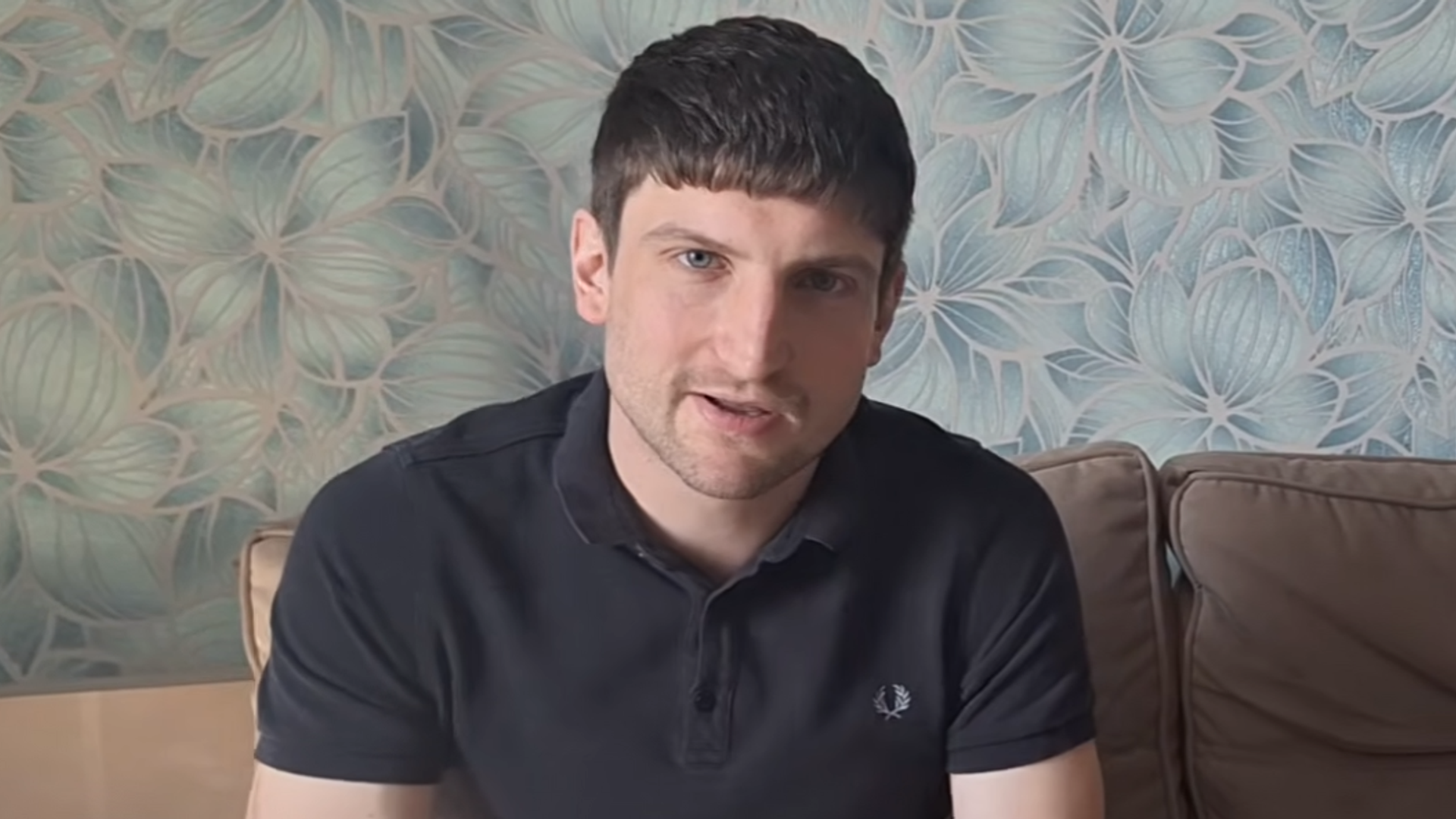
A 33-year-old fisherman from Barnsley has become the first British national confirmed killed while fighting on the Russian side in Ukraine. Bradley Townsend left South Yorkshire in April under the pretense of traveling to Romania. Just ten weeks after arriving in Moscow, he was killed by a remote-controlled FPV drone near the eastern Ukrainian city of Lyman.
His death shatters the abstract nature of foreign enlistment in the ongoing war. It brings the bloody reality of the front lines directly back to a working-class town in northern England.
How a Barnsley Fisherman Ended Up on the Eastern Front
Townsend had zero prior military experience. Friends and family noted he was an ordinary guy who worked as a fisherman, though some reported he struggled with personal vulnerabilities, including addiction and mental health challenges.
Recruited online by British pro-Russian figures such as Aiden Minnis and Ben Stimson, Townsend packed his bags. He told his family he was heading to Romania. Instead, he flew to Moscow, signed a contract with the Russian Ministry of Defense, and was thrust into a high-risk "storm operation" unit in the Donetsk region.
People ask how an untrained civilian from Yorkshire ends up in a trench in eastern Europe. The answer lies in a mix of online radicalization, personal isolation, and bizarre historical grievances.
The Bizarre Logic of Repaying 1980s Miners
Before his death, Townsend appeared in Russian media and social media clips explaining his motivations. He framed himself as an ordinary working-class bloke trying to settle an old historical debt.
His rationale harks back to the 1984 British miners' strikes. Townsend claimed that miners from the Donbas region in Ukraine had donated a month's wages to support striking Yorkshire miners during the Thatcher era. He viewed his deployment as a way to repay that solidarity.
It is a twisted historical connection. It ignores the complex geopolitical reality of modern Ukraine and the brutal nature of the invasion. Yet, for Townsend, it became a driving justification.
In a chillingly prophetic social media video recorded before his demise, Townsend acknowledged the gravity of his choices.
"I came with the idea that I probably wouldn't be able to go home," Townsend said. "I'd definitely get persecuted if I went back. I'm not here for a suicide mission, but I understand that's what can happen. This was my own decision, I wasn't pushed into anything."
Political Fallout and the Threat Facing Recruiters
The reaction from British authorities was swift and unforgiving. Former security minister and Conservative MP Tom Tugendhat didn't mince words, publicly labeling Townsend's decision to join Vladimir Putin's armed forces as "unbelievably stupid."
While multiple British nationals have died fighting to defend Ukraine since 2022, Townsend's case marks a grim milestone as the first inverse casualty. It has also placed a massive spotlight on the network of online agitators facilitating these moves.
British recruiters like Aiden Minnis and Ben Stimson now face intense scrutiny. Legal experts suggest that British citizens actively recruiting others to fight for a foreign state engaged in an aggressive war against a friendly nation could face severe terrorism or foreign enlistment charges if they ever set foot back in the UK.
The Foreign, Commonwealth and Development Office confirmed they are providing consular support to Townsend's grieving family in South Yorkshire. Behind the grand political statements and diplomatic rows, a family is left dealing with the unthinkable consequence of a fatal online pipeline.
The war in Ukraine continues to pull in casualties from the most unexpected corners of the globe. For Barnsley, the cost has finally hit home.