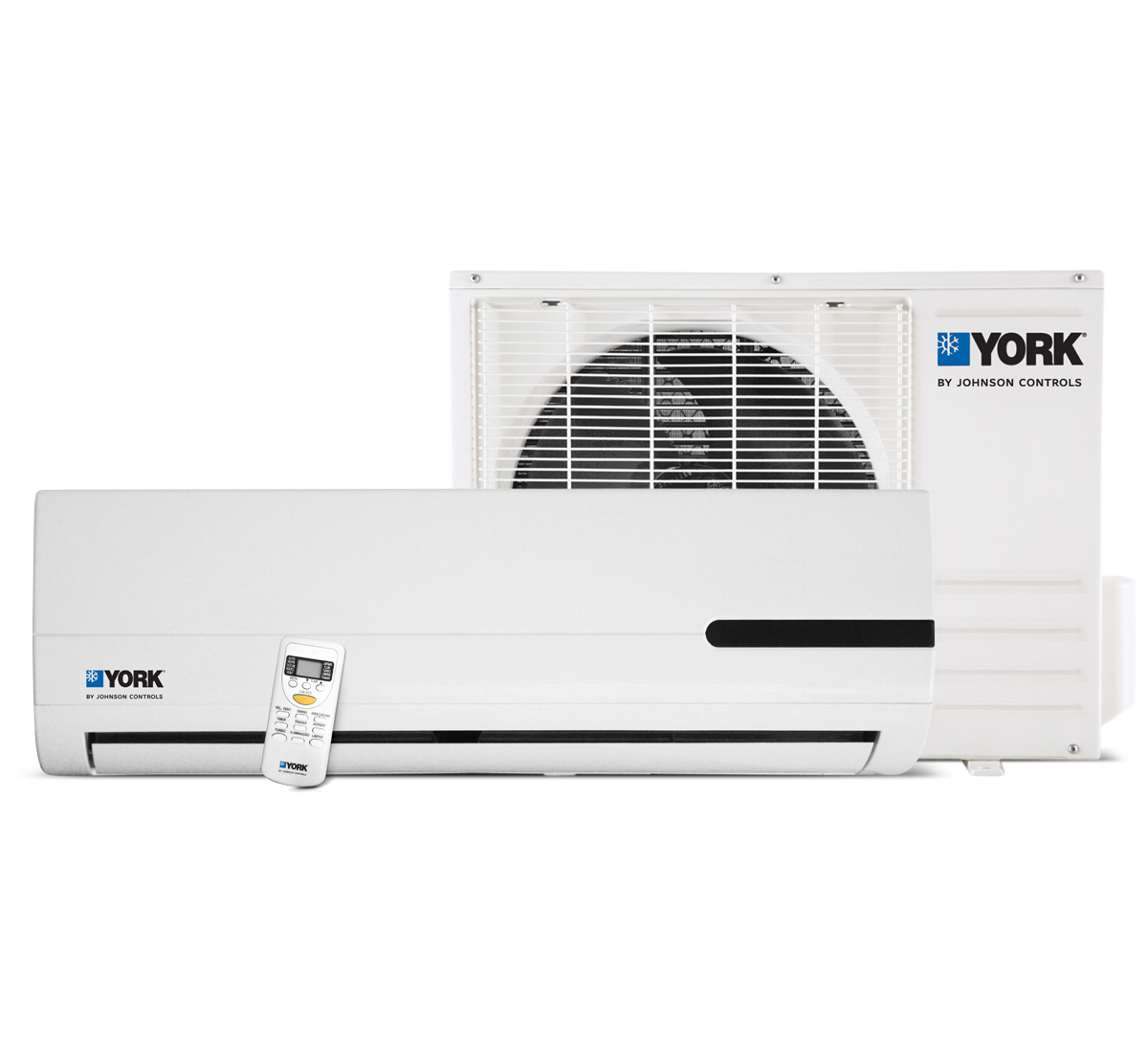
You’re staring at a repair bill that costs half as much as a new system. It’s 95 degrees outside. Your current AC sounds like a dying blender. Naturally, you start googling, and the york air conditioner unit keeps popping up alongside the big names like Carrier or Trane. But here’s the thing—York is a bit of a polarizing brand in the HVAC world. Some technicians swear by their American-made roots, while others gripe about specific coil issues from a decade ago.
Choosing an AC isn't just about the brand name on the metal box sitting in your side yard. It’s about the SEER2 ratings, the decibel levels, and, honestly, whether or not your local tech actually knows how to fix it when things go sideways. York, owned by Johnson Controls, has been around since 1874. They aren't new to the game.
The Reality of York Air Conditioner Unit Reliability
Let's get real for a second. If you ask ten different HVAC contractors about York, you'll get ten different answers. Why? Because for a long time, York had a reputation for "MicroChannel" coil leaks. It was a whole thing in the industry. They tried to innovate with all-aluminum coils to prevent formicary corrosion (that's the copper-eating stuff), but the early versions had some growing pains.
The good news? They've mostly pivoted. Modern York units have moved toward more robust designs. If you’re looking at a york air conditioner unit today, you’re looking at a machine that is significantly more reliable than what they were putting out in 2012.
York splits their lineup into three main buckets: the Affinity series, the LX series, and the Latitude series. The Affinity models are the fancy ones. They have these ClimaTrak™ blowers that can be adjusted based on whether you live in a swampy place like Florida or a bone-dry desert like Arizona. It’s a smart move because humidity control is half the battle when it comes to feeling comfortable.
Why the Installer Matters More Than the Brand
I’ve seen $15,000 systems die in three years because of bad ductwork. I’ve seen cheap, "off-brand" units last twenty years because the installer actually pulled a proper vacuum and sized the lineset correctly.
With York, this is doubly true. Because York is often priced slightly lower than premium brands like Lennox, it sometimes attracts "trunk slammers"—contractors who cut corners to give you the lowest bid. Don’t do that. A york air conditioner unit is a precision piece of machinery. If the person installing it doesn’t check the static pressure or levels the unit on a sinking plastic pad, the brand name won’t save you.
Comparing the Tiers: From Budget to Luxury
If you’re on a budget, the LX series is usually the sweet spot. It’s the workhorse. You’re looking at SEER2 ratings around 14.5 to 16. It’s loud-ish, but it works.
Then you have the YXV and YZT models in the Affinity line. These are the variable-capacity beasts. Instead of being "on" or "off," they can throttle down to 25% capacity. Imagine your car only ever going 0 mph or 100 mph—that’s a standard AC. A variable-speed York is like having an actual gas pedal. It keeps the temperature within half a degree of your target.
- Affinity Series: Variable speed, super quiet (as low as 53 decibels), high efficiency.
- LX Series: Single or two-stage, reliable, the "standard" choice for most suburban homes.
- Latitude Series: Compact, basic, better for tight spaces or tight budgets.
Honestly, the noise level is where you really notice the difference. A cheap unit sounds like a jet engine taking off next to your patio. A high-end York Affinity unit is more like a low hum. You can actually have a conversation next to it without shouting.
The SEER2 Confusion
In 2023, the industry shifted from SEER to SEER2. It’s a more rigorous testing standard that accounts for higher external static pressure. Basically, it’s a more "real world" measurement. When you’re shopping for a york air conditioner unit, don't get blinded by the highest number.
If you live in Maine, paying for a 20 SEER2 unit is probably a waste of money. You won’t run it long enough to recoup the extra $3,000 in energy savings. But if you’re in Texas? Go as high as you can afford. The ROI is actually there.
Common Misconceptions About York
One thing people get wrong is thinking York is a "budget" brand. It’s mid-market to premium. It’s not Goodman (the budget king), but it’s usually more affordable than a top-tier Trane.
Another myth: "Parts are hard to find." Johnson Controls has one of the largest distribution networks in North America. If your blower motor dies in the middle of July, a reputable tech should be able to get the part. The issue usually isn't the part availability; it's whether the homeowner registered the warranty.
Pro tip: You must register your unit within 60 days of installation. If you don't, your 10-year parts warranty often drops down to 5 years automatically. That is a massive, expensive mistake that people make every single day.
The Sound of Silence (or Lack Thereof)
York uses a swept-wing fan blade in their higher-end models. It looks a bit like a bird's wing. This isn't just for aesthetics; it breaks up the air turbulence. If you’ve ever lived next to an AC that "whooshes" every time it starts, you know why this matters.
The base models? Yeah, they still use the old-school paddle blades. They’re fine, but don't put one right outside your bedroom window if you're a light sleeper.
Energy Efficiency and Tax Credits
Thanks to the Inflation Reduction Act, buying a high-efficiency york air conditioner unit can actually net you some serious tax credits. We're talking up to $600 for high-efficiency central AC or even more if you go the heat pump route.
York’s heat pumps are essentially the same as their AC units, but they can run in reverse to heat your home. In 2026, the tech has gotten so good that even York’s mid-range heat pumps can handle temperatures well below freezing. If you're replacing your AC anyway, it’s worth asking your contractor about the price jump to a heat pump. Sometimes the tax credit covers the difference entirely.
Real-World Maintenance Gaps
York units are fairly easy to service, which technicians love. The panels come off easily. The electronics are laid out logically. But they are sensitive to dirt.
Because many York units use a "louvered" side panel, they can trap grass clippings and cottonwood seeds. If you don't hose off the coils once a year, the head pressure spikes, the compressor runs hot, and your "reliable" unit dies in seven years instead of fifteen. It’s a simple five-minute job with a garden hose, but 90% of people never do it.
Is a York AC Right For Your Home?
It depends on your priorities. If you want the absolute "status symbol" of HVAC, you might look at Carrier Greenspeed. If you want the absolute cheapest thing that blows cold air, you go with a base-model Goodman.
But if you want a system that is built in Wichita, Kansas, has a massive support network, and offers some of the best humidity control features on the market, York is a top-tier contender.
The biggest "green flag" for a York system is the ClimaTrak technology. If you have a weirdly shaped house or specific humidity issues, having a board that can be customized to your specific zip code is a game changer. It’s something most other brands just don't offer at that price point.
What to Ask Your HVAC Contractor
When you get a quote for a york air conditioner unit, don't just look at the bottom line. Ask these three questions:
- Are you a York Certified Comfort Expert (CCE)? These guys get extra training and usually offer better labor warranties backed by the manufacturer.
- Did you perform a Manual J load calculation? If they just look at your old unit and say, "Yeah, you need a 3-ton," they are guessing. Homes change. New windows or insulation might mean you need a smaller, more efficient unit now.
- Is the AHRI match correct? An AC unit is half of a system. The indoor coil and the outdoor unit need to be a "matched pair" to actually hit the SEER2 rating on the sticker.
Final Actionable Steps
- Check your current SEER rating. If your unit is from before 2015, you’re likely running at a 10 or 12 SEER. Moving to a 16 or 18 SEER2 York unit could cut your cooling bills by 30% or more.
- Find a CCE Dealer. Go to the York website and use their locator. Don't just hire the guy who left a flyer on your door.
- Ask about the YXV or YZT models. Even if you think they’re too expensive, get the quote. The comfort difference of a variable-speed system is something you can't go back from once you've experienced it.
- Register the warranty immediately. Seriously. Set a calendar reminder for the day of installation. That five-year difference in coverage is worth thousands of dollars.
- Clear the area. Before the installers arrive, clear a 3-foot radius around your outdoor unit. It ensures a better install and makes future maintenance easier for the tech.



