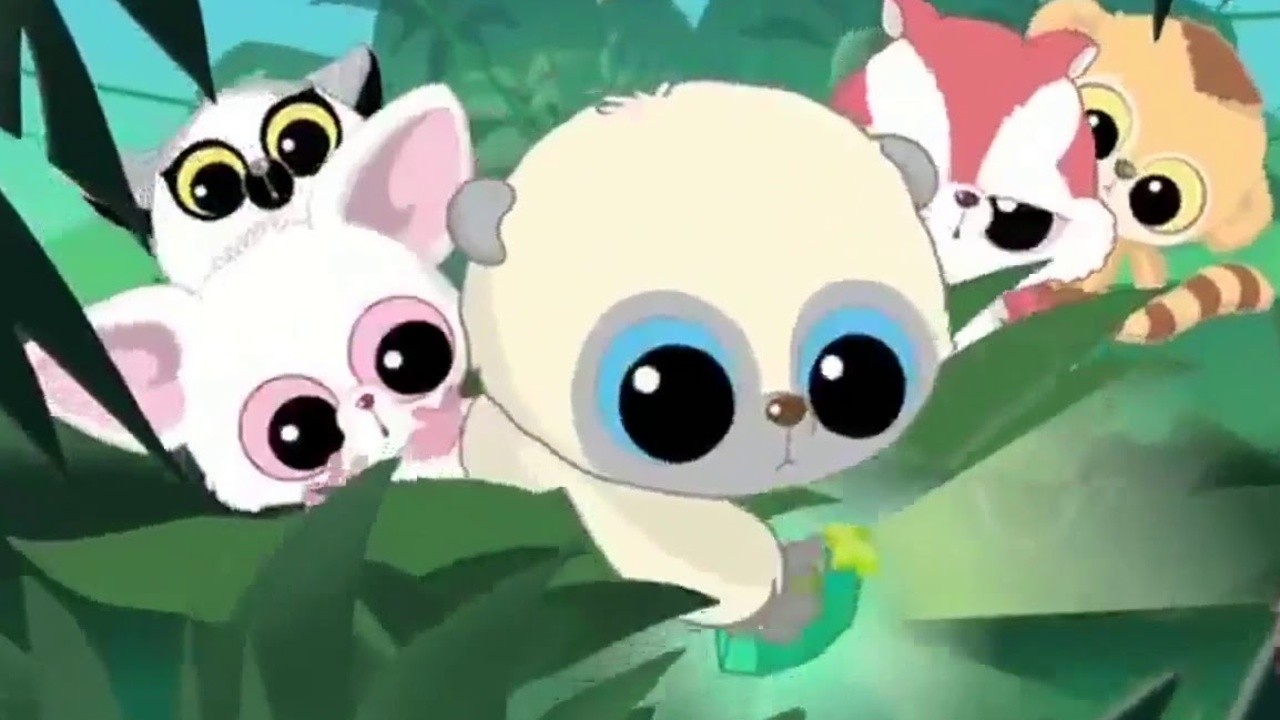
You’ve seen them. Those tiny, fuzzy creatures with eyes so big they look like they’ve had way too much caffeine. If you walked into a gift shop, a zoo, or even a random gas station anytime in the last fifteen years, you probably locked eyes with a YooHoo and Friends plush. Honestly, it’s hard to miss them. They’re the "sparkly eye" pioneers of the toy aisle.
But here’s the thing: most people just see them as cute stuffed animals. They don't realize there’s an entire ecosystem—literally and figuratively—behind these things. From saving the planet to navigating the weird world of Netflix reboots, the story of YooHoo is actually kinda fascinating.
What Most People Get Wrong About YooHoo
The biggest misconception? That they’re just generic "monsters" or fantasy creatures. They aren't.
Basically, every single character in the YooHoo and Friends lineup is based on a real, often endangered, animal. The main guy, YooHoo himself? He’s a Senegal Bush Baby. You know, those tiny primates with the massive night-vision eyes? It makes sense once you see the connection.
Aurora World, the South Korean company behind the brand, didn't just want to sell fluff. They launched the line back in 2007 with a specific "green" mission. The idea was to teach kids about wildlife conservation without being too preachy about it. You get a cute toy, but the tag tells you that your new friend is actually struggling to find a home in the wild.
It worked. Like, really well. Since the launch, they’ve sold over 34 million of these things. That’s a lot of bush babies.
The "Furry Five" and the Yootopia Lore
If you’ve watched any of the shows—and there are several—you know the core group. They’re basically the Avengers of the endangered animal world.
- YooHoo: The Bush Baby leader. He’s the "brave" one, though in the earlier cartoons, he was sometimes depicted as a bit of a corporate executive turned animal (we'll get to that weirdness in a second).
- Pammee: A Fennec Fox. She’s pink, white, and can basically hear a pin drop from three miles away.
- Lemmee: A Ring-tailed Lemur. He’s the "sourpuss" of the group. Every team needs a grumpy one, right?
- Roodee: A Capuchin Monkey. He’s the inventor. If there’s a gadget made out of a coconut and some vines, Roodee probably built it.
- Chewoo: A Red Squirrel. Pure chaos energy. She’s the optimist who usually gets everyone into trouble (and then back out of it).
The lore is where things get a bit trippy. In the original Korean series, they lived in a place called Yootopia and had to find "Green Seeds" to save the Tree of Life. Standard kid-show stuff.
But then, the Western world got a hold of it.
The Flavor Flav Era (Yes, Really)
In 2012, there was a US dub of the show that was... a choice. It was developed by David Feiss (the creator of Cow and Chicken), and it featured Flavor Flav as Father Time.
In this version, the animals weren't just animals. They were actually "corrupt corporate executives" who were transformed into cute creatures by Mother Nature as punishment for polluting the Earth. They had to fix their mess to become human again. It was satirical, weird, and honestly a bit surreal to watch now.
Why Collectors Still Care in 2026
You might think the hype would've died down by now. Nope. The collector community for YooHoo and Friends is surprisingly deep. Go on Reddit or eBay today, and you’ll find people hunting for "retired" models.
The brand has evolved. While the original 5-inch plushies are the classics, Aurora has branched out into "Palm Pals" and eco-friendly lines like "Econation." They’ve even moved into 3D animation with the Netflix series YooHoo to the Rescue.
What makes them collectible isn't just the cuteness; it's the sheer variety. There are over 70 characters now. You’ve got everything from Blue-footed Boobies to Red Pandas. For a certain type of person, it’s like Pokémon but fluffier.
Identifying the Rare Ones
If you’re digging through an old toy bin, keep an eye out for:
- Sound-chip models: Some older versions make a "yoo-hoo" sound or a giggle when squeezed.
- Holiday editions: The Halloween and Christmas variants often have shorter production runs.
- The "Endangered Bugs" line: This was a weird spin-off featuring caterpillars and ladybugs. They didn't sell as well as the mammals, which—ironically—makes them harder to find now.
The Netflix Revival: YooHoo to the Rescue
If you have kids today, they probably know YooHoo from the 3D Netflix show that dropped a few years back. It’s a lot more "educational" and a lot less "Flavor Flav" than previous iterations.
In YooHoo to the Rescue, the gang travels from Yootopia to Earth in a ladybug-shaped plane called the Wonderbug. Their mission is to help animals in trouble—like a rhino who needs glasses because he keeps bumping into things, or a baby bat scared of the dark.
It’s sweet. It’s simple. And it keeps the brand alive for a new generation that wasn't even born when the first plush hit the shelves in '07.
Actionable Tips for New Collectors or Parents
If you're looking to dive into the world of YooHoo and Friends, here's how to do it right:
- Check the Eyes: Modern YooHoos have "crystalized" eyes with a lot of depth. Older ones might have simpler plastic eyes. If you’re buying for a baby, ensure the eyes are embroidered or safety-tested, as the early ones weren't always meant for infants.
- Read the Tags: Don't just toss the heart-shaped tag. It contains the animal's name and "fun facts" about their real-world habitat. It’s actually a great way to sneak some science into playtime.
- Wash with Care: These guys are "surface washable" only. If you throw a 2009 Lemmee in a high-heat dryer, his fur will turn into something resembling a burnt marshmallow. Use a damp cloth and mild soap.
- Spot the Fakes: Because they were so popular, there are plenty of "knock-offs" with weird proportions. Look for the "Aurora" tush tag to confirm it’s the real deal.
The longevity of YooHoo and Friends is a testament to a simple truth: people love big eyes and soft fur. But beyond the aesthetics, the brand’s commitment to highlighting species we might otherwise forget is what gives it staying power. Whether it's a Senegal Bush Baby or a Red Squirrel, these toys have turned conservation into something you can hold in your hand.



