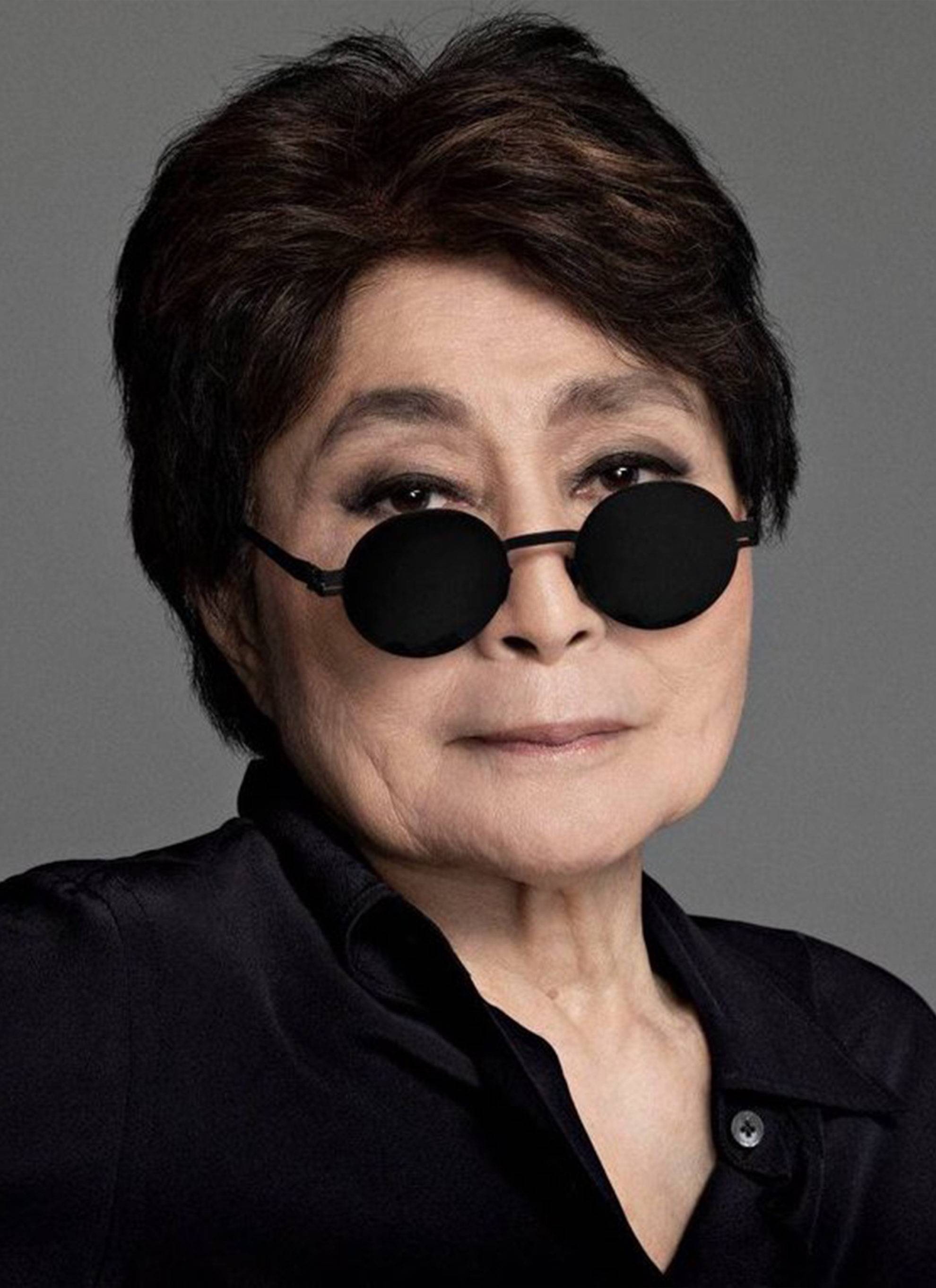
You’re scrolling through a feed of doom-posts and political shouting matches when a tweet pops up. It says, "Step in all the puddles in the city." Or maybe: "Send the smell of the moon." Honestly, if it were anyone else, you’d roll your eyes. But it’s Yoko Ono. And she’s been doing this since before most of us knew what a hashtag was.
People love to hate her. They’ve blamed her for the Beatles’ breakup for decades, which—let’s be real—is a tired narrative that even Paul McCartney debunked years ago. But on social media, Yoko found a weirdly perfect home. Yoko Ono on Twitter isn't just a celebrity posting selfies; it's a 90-year-old avant-garde legend treating your timeline like a canvas for Fluxus art. Learn more on a similar topic: this related article.
The Instruction Paintings of the Digital Age
If you go back to 1964, Yoko published a book called Grapefruit. It was filled with "event scores"—short, poetic instructions for things you could never actually do, or things so simple they felt profound. Twitter basically turned out to be the 21st-century version of that book.
Back in 2015, she tweeted, "Imagine 1000 suns in the sky @ same time. Let them shine for 1hr. Then let them gradually melt into the sky. Make 1 tunafish sandwich & eat." Further reporting by BBC explores similar views on the subject.
It’s hilarious. It’s strange. It’s also exactly what conceptual art is supposed to do. She’s forcing you to stop thinking about your rent or your shitty boss for five seconds and think about a tuna sandwich under a thousand suns. Most celebrities use their platforms to sell you a skincare routine or a crypto scam. Yoko? She wants you to polish an orange.
Why We Need This Energy Right Now
The internet is loud. Like, screaming-into-a-void loud. Yoko Ono on Twitter works because it’s the opposite of that noise. It’s quiet. It’s "mu," the Japanese concept of nothingness or the space between things.
- The Power of the Absurd: When she tells you to "climb a ladder to reach the sky," she knows you can’t. But the mental image of trying changes your perspective.
- Radical Positivity: In 2020, during the height of the pandemic, she was tweeting things like "Don’t let panic slip in between us." It felt like a grandmotherly hug from the edge of the universe.
- Persistent Activism: She doesn't just do the "Zen" stuff. She’s used the platform to post the image of John Lennon’s blood-stained glasses to protest gun violence. That tweet, which went viral years ago, remains one of the most haunting uses of social media ever recorded.
It's easy to dismiss her as "the weird lady who screams," but that’s a surface-level take. If you actually look at her history—from Cut Piece where she let audiences snip away her clothes, to her Wish Tree installations—you see a woman who has always been obsessed with the idea of the audience finishing the work.
When you read a tweet by Yoko Ono, you become the artist. You’re the one who has to do the imagining. She provides the spark; you provide the fuel.
The Logistics of a Cosmic Feed
Kinda weirdly, Yoko has nearly 5 million followers. That’s a massive audience for someone whose primary output is "teeth and bones are solid forms of cloud."
She’s been on the platform since the early days—2008, 2009 area. While most brands were trying to figure out how to "engage" with "consumers," Yoko was just being Yoko. She treats the 280-character limit like a haiku.
Sometimes she does Q&As. People ask her about John, or about world peace, or what she had for breakfast. Her answers are usually short, cryptic, and oddly encouraging. Someone once asked her for advice on being an adult, and her vibe has always been: don't. Keep the head empty. Let information flow in without crowding it with "quotations of Shakespeare," as she once put it.
What Critics Get Wrong
The biggest misconception is that she’s "trolling" or that her account is run by a bored intern. While she likely has help with the technical side these days, the voice is unmistakably hers. It matches the "Instruction Paintings" she was doing in the 60s at the AG Gallery in New York.
It’s also not "nonsense." If you look at the history of the Fluxus movement, it was all about breaking down the wall between the artist and the viewer. Twitter is the ultimate wall-breaker. By popping up in your feed between a Wendy’s ad and a news report about a hurricane, she’s inserting art into the most mundane parts of your life.
Actionable Takeaways from the Yoko School of Tweeting
You don't have to be a multi-millionaire artist to use the internet like Yoko. Here is how to actually apply her "Instruction" philosophy to your own digital life:
- Stop the Doom-Scroll: Next time you find yourself getting angry at a thread, stop and follow her advice: "Watch the sun until it becomes square." It sounds dumb until you actually try to visualize it. It breaks the cycle.
- Create Before You Consume: Yoko’s whole thing is that "everyone is an artist." Before you check your notifications in the morning, think of one absurd "instruction" for yourself. "Today, I will walk as if I am underwater."
- Simplicity Wins: In a world of long-form video and complex essays, there is power in being brief.
- Acknowledge the Shadow: She isn't just about sunshine. She talks about "the joy and the guilt of being one." Don't be afraid to be vulnerable or even a little bit weird online.
Yoko Ono on Twitter is a reminder that the internet doesn't have to be a dumpster fire. It can be a "Wish Tree" where we all hang our thoughts and wait for them to turn into white flowers.
To get the full effect of this digital performance art, go through Yoko’s media tab and look at the "Instruction" posts from the last year. Pick one—literally just one—and try to perform it mentally. Notice how your heart rate changes when you stop trying to "process" information and start trying to "imagine" it instead.