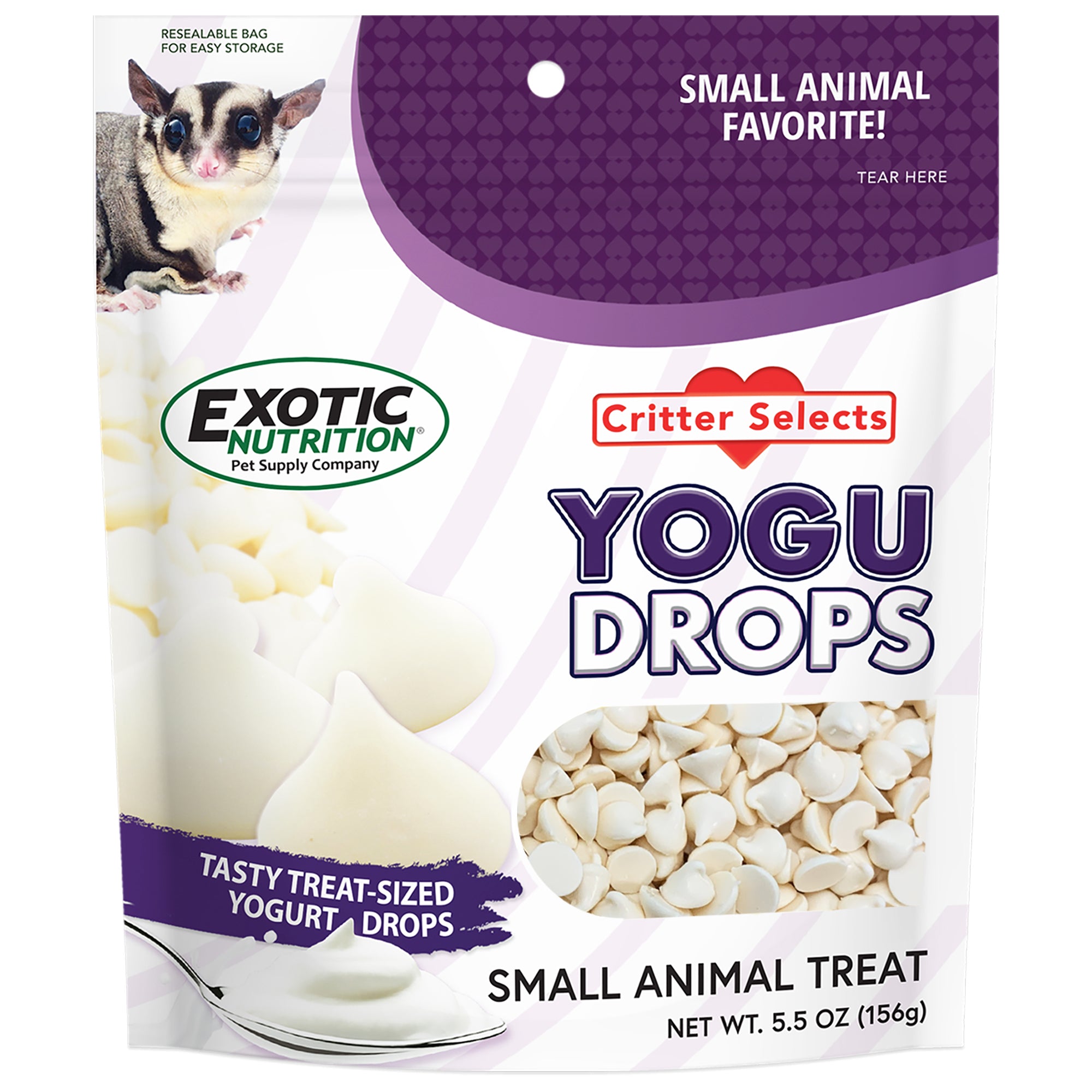
You're standing in the pet aisle. Your dog is doing that head-tilt thing. You see a bag of yogurt drops for dogs and think, "Hey, yogurt is healthy, right? Probiotics and all that." It seems like a no-brainer. But honestly, most of those little white disks are basically doggie candy masquerading as health food.
It's a weird niche in the pet industry.
The reality is that while your dog probably thinks they’re the best thing since sliced bacon, there is a massive gap between the marketing and the actual ingredients. We need to talk about what’s actually inside those bags and why "yogurt-flavored" is a very different beast than actual yogurt.
The Sugar Trap in Yogurt Drops for Dogs
Let's get real for a second. If you look at the back of a standard bag of commercial yogurt drops for dogs, the first ingredient often isn't yogurt. It's sugar. Or "dried whey oxidative products" or some variation of oil and sweeteners.
Dogs don't need sugar. They really don't.
In fact, the high sugar content in many mass-market drops can lead to weight gain and dental issues faster than you'd think. Many brands use hydrogenated vegetable oils to give them that "melt-in-your-mouth" texture. If you’re trying to keep your pup lean, these are essentially empty calories.
Why the "Probiotic" Claim is Often a Stretch
Marketing teams love the word "probiotic." It sells. But here is the catch: probiotics are live, active cultures. To make a shelf-stable yogurt drop that sits in a warehouse for six months, those cultures are usually heat-treated. Heat kills the good stuff.
So, while the bag might say it's made with yogurt, your dog likely isn't getting the digestive boost you're hoping for. If you want real probiotics, you're better off spoonful-feeding plain, unsweetened Greek yogurt directly from the fridge. That's the real deal. Commercial drops are mostly about the flavor and the convenience of a non-messy treat.
Lactose Intolerance is Real for Pups
Most adult dogs are actually lactose intolerant. It sounds counterintuitive since we see pictures of puppies drinking milk, but once they’re weaned, many dogs lose the enzyme (lactase) needed to break down dairy.
Watch your dog.
If they get gassy, have loose stools, or start acting lethargic after eating yogurt drops for dogs, their body is telling you to stop. However, yogurt is generally lower in lactose than straight milk because the fermentation process breaks some of it down. This is why some dogs who can't handle a bowl of milk can handle a few yogurt drops just fine. It's a sliding scale. Every dog is an individual.
The Hidden Danger: Xylitol and Sweeteners
This is the "stop what you're doing" part of the conversation. Some human-grade yogurts and low-calorie treats contain Xylitol (often labeled as Birch Sugar). This is incredibly toxic to dogs. Even a small amount can cause a massive insulin spike, leading to liver failure or worse.
While most reputable pet brands won't use Xylitol in treats specifically made for dogs, you have to be a label-reading hawk if you're buying "yogurt bites" from a human snack aisle or making DIY versions with store-bought yogurt.
When Yogurt Drops Actually Make Sense
They aren't all bad. Honestly.
They are incredible for training. Because they are high-value (meaning they taste amazing to dogs), you can use them to teach complex behaviors or use them as a "jackpot" reward. If your dog is a picky eater or isn't motivated by dry kibble, the creamy, sweet scent of a yogurt drop can be a game-changer.
They are also great for hiding pills. If you have a dog that can sniff out a capsule inside a piece of cheese from a mile away, crushing a yogurt drop or using the "yogurt coating" can sometimes mask the medicinal scent.
Breaking Down the Ingredients List
When you're looking at a bag, look for these specific things:
- Sugar content: Is it in the top three ingredients? If so, put it back.
- Coloring: Does it have Red 40 or Yellow 5? Dogs don't care what color their food is. Those are for you, and they can cause sensitivities.
- Fractionated Palm Kernel Oil: This is a common binder. It’s not "toxic," but it’s high in saturated fat and not exactly great for the planet or the dog's heart.
Better Alternatives You Can Do at Home
If you're worried about the store-bought stuff, making your own version of yogurt drops for dogs is stupidly easy.
Basically, you take plain, non-fat Greek yogurt (make sure there's NO Xylitol/Birch Sugar). You can mix in a little bit of pureed pumpkin or a tiny bit of peanut butter—the kind without salt or extra oils.
- Line a cookie sheet with parchment paper.
- Use a straw or a small spoon to "dot" the yogurt onto the paper.
- Pop it in the freezer for two hours.
Boom. You have healthy, single-ingredient treats that actually contain live cultures and zero mystery fillers. The only downside? They melt. You can't put these in your pocket for a walk at the park unless you want a sticky mess. For indoor training, though? They're perfect.
The Portion Control Reality Check
How many is too many?
Treats, including yogurt drops for dogs, should never make up more than 10% of your dog's daily caloric intake. For a small dog like a Yorkie, that might mean literally two drops. For a Lab, you have more wiggle room. But don't let those "puppy eyes" trick you into overfeeding. Obesity is one of the leading causes of shortened lifespans in pets. It’s a slow-motion disaster that starts with "just one more treat."
What the Experts Say
Veterinarians generally view yogurt treats as "fine in moderation." Dr. Jerry Klein, the Chief Veterinary Officer for the AKC, has noted that while yogurt contains calcium and protein, the amounts found in a tiny treat are negligible for a dog's overall nutrition.
It’s about the joy.
We give treats because we love our dogs. We want to see them happy. And there is real value in that bond. If a yogurt drop makes your dog spin in circles with excitement, that's a win—as long as you aren't sacrificing their long-term health for a five-second snack.
Natural Variations and Flavors
You'll see berry flavors, peanut butter yogurt blends, and even "superfood" drops with kale or blueberries. Most of the time, the "kale" is such a tiny percentage of the treat that it's just there for marketing.
Don't pay a 20% premium for "Blueberry Infused" drops when you could just give your dog an actual blueberry.
Summary of Actionable Steps
If you’re going to keep yogurt treats in your dog's rotation, do it smartly.
- Check the label for Xylitol/Birch Sugar immediately. This is non-negotiable.
- Prioritize "Freeze-Dried" over "Yogurt Coated." Freeze-dried treats often have fewer fillers and oils than the ones that look like shiny candies.
- Watch the first three ingredients. If sugar or oil is #1, it's a dessert, not a snack.
- Test for dairy sensitivity. Give one drop and wait 24 hours. Check for gas or tummy rumbles.
- Go DIY for the best health benefits. Use plain Greek yogurt and your freezer to ensure your dog is actually getting probiotics.
- Use them for high-stakes training. Save the "good stuff" for when you really need your dog's attention, like recall training or vet visits.
Yogurt treats can be a fun, tasty part of your dog's life. Just don't let the "yogurt" label blind you to the fact that many of these products are more "drop" than "yogurt." Read the back of the bag, keep the portions small, and your dog will be just fine.



