You're scrolling through Instagram and there it is again. A woman in white linen, perfectly balanced on a wooden deck overhanging a turquoise jungle canopy in Tulum. It looks like a dream, doesn't it? But honestly, if you just book the first pretty thing you see, you might end up in a "spiritual" tourist trap with lukewarm coffee and thin yoga mats. Finding the right yoga retreats in Mexico isn't actually about the aesthetics. It’s about the vibe, the lineage of the teachers, and whether you want to spend your week sweating in a 105-degree room or chanting under a full moon in the Oaxacan desert.
Mexico is huge. People forget that.
Choosing a retreat in Sayulita is a world away from booking one in the high-altitude forests of Valle de Bravo. The landscape dictates the energy. You’ve got the Caribbean side with its humidity and ancient Mayan roots, and the Pacific side with its rugged cliffs and world-class surf breaks. If you're looking for deep healing, you need to know which dirt road to turn down.
Why the Location Changes Everything
Don't just fly into Cancun and hope for the best.
The Riviera Maya is the heavy hitter. Places like Tulum and Playa del Carmen are home to some of the most famous yoga retreats in Mexico, like Amansala or Maya Tulum. These spots are great if you want high-end amenities and maybe a green juice that costs fifteen bucks. It’s accessible. You land, you take a shuttle, and you’re in a hammock in ninety minutes. But it’s crowded. The "eco-chic" vibe can sometimes feel a bit more "chic" than "eco."
If you head over to the Pacific Coast, things get a bit more raw.
Mazunte and Puerto Escondido in Oaxaca are where the serious practitioners often end up. Hridaya Yoga in Mazunte is legendary for silent meditation retreats. It’s not fancy. You might have a dry compost toilet. But the teaching is profound. Then there’s Quimixto, near Puerto Vallarta, where Xinalani sits. You can only get there by boat. No roads. Just a massive staircase built into a mountain. Your glutes will scream, but your soul will probably be pretty happy.
The Tulum vs. Oaxaca Debate
Tulum is for the person who wants a "lifestyle" experience. You want the spa, the sound bath, and maybe a night out at a high-end restaurant after your evening flow. It’s vibrant. It’s loud. It’s undeniably beautiful.
Oaxaca is for the person who wants to disappear. The coast there has a magnetic energy—literally, the rock formations are unique—and it attracts people looking for a more "off-the-grid" style of practice. The prices reflect this too. You'll generally find your money goes a lot further in Mazunte than it does on the Tulum beach road.
The Reality of All-Inclusive Wellness
We need to talk about what "all-inclusive" actually means in the Mexican jungle.
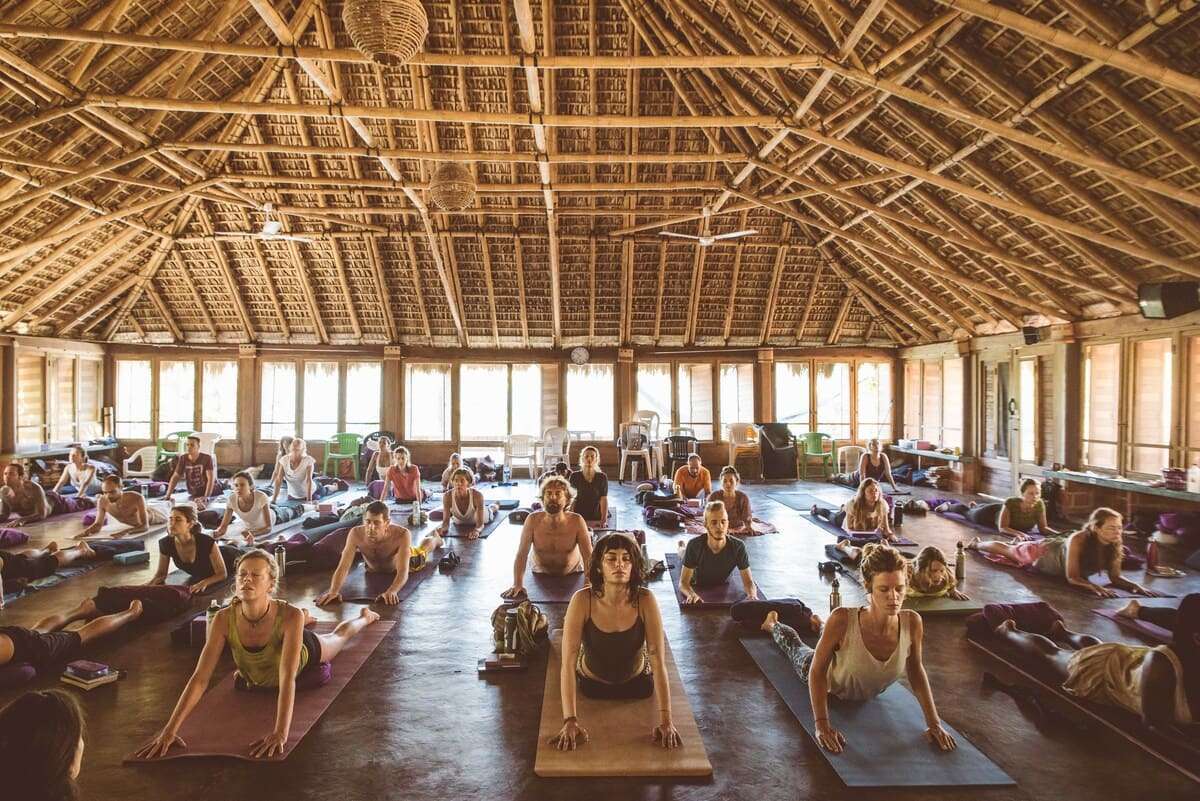
A lot of people show up expecting a Marriott with a yoga studio. Mexico doesn't always work like that. Many of the best yoga retreats in Mexico are truly eco-focused. That means solar power might cut out at 10 PM. It means there are bugs. Big ones. It means the "walls" of your room might actually be screen mesh so you can hear the ocean.
If you can’t handle a gecko in your shower, stick to the luxury resorts in Los Cabos or the Rosewood Mayakoba. They have incredible yoga programs, but they aren't "retreats" in the traditional, transformative sense. They are vacations with yoga on the side.
What’s on the Menu?
Most dedicated retreats serve a "Sattvic" diet. Basically, it’s yogic food meant to keep you calm and light. Think local papaya, handmade corn tortillas (sometimes), lots of beans, and fresh hibiscus tea.
- The Good: You’ll feel incredibly light and energized.
- The Catch: Some retreats are strictly vegetarian or even vegan. If you’re someone who needs a steak after a long day, check the house rules before you pay your deposit.
- The Tequila Factor: Most traditional retreats are dry. No booze. If your idea of a Mexico trip involves margaritas by the pool, look for a "Yoga & Wine" style retreat, which is a growing niche in places like the Valle de Guadalupe.
The Teacher Makes the Retreat
I can’t stress this enough: a beautiful location cannot save a mediocre teacher.
Before booking, Google the lead instructor. Are they a 200-hour RYT who just graduated last May, or do they have twenty years of experience in Iyengar or Ashtanga? Mexico attracts world-class talent. People like Seane Corn or Janet Stone often host week-long intensives at places like Haramara Retreat in Sayulita.
When you book through a third-party site, you're often buying a package where the teacher is a bit of a wildcard. Go to the teacher's personal website first. See if you actually like their philosophy. Do you want someone who focuses on the spiritual, "woo-woo" side of things, or someone who is going to fix your alignment and make you hold a plank for three minutes?
Dealing With the "Spiritual Tourist" Label
There’s a lot of talk lately about cultural appropriation in the wellness industry. Mexico has a rich history of indigenous healing practices—Temazcal (sweat lodges), cacao ceremonies, and herbalism.
When you’re looking at yoga retreats in Mexico, see how they integrate these traditions. Are they hiring local shamans and paying them fairly? Or is a yoga teacher from Los Angeles leading a sacred ceremony they barely understand?
A respectful retreat will usually have deep ties to the local community. They’ll use local ingredients, employ local staff in leadership roles, and treat the land with genuine respect. Mar de Jade in Chacala is a fantastic example of this. They actually founded a non-profit that supports local schools and organic farming. That’s the kind of place where your money is doing more than just buying you a tan.
The Temazcal Experience
You’ll likely see this on almost every retreat itinerary. It’s a pre-Hispanic sweat lodge. It’s dark. It’s hot. It’s intense. It’s meant to represent the womb of the earth. If you’re claustrophobic, maybe sit this one out. But if you want a truly Mexican "yoga" experience, this is it. It’s a physical and emotional purge that perfectly complements a week of asana.
Practical Logistics: Flights and Saftey
Safety is the elephant in the room. Everyone asks.
Generally, the areas where these retreats are located—the Riviera Maya, the Nayarit coast, and the Oaxacan coast—are very safe for tourists. The retreat centers usually handle your transport from the airport.
- Fly into the right hub: CUN for the East Coast, PVR for the Nayarit/Jalisco side, and SJD for Baja.
- Book the shuttle: Don't try to haggle with a taxi driver at 11 PM if you don't speak Spanish. Most retreats offer a pre-arranged van. Use it.
- Cash is king: Even at high-end spots, you’ll want pesos for tipping the kitchen staff and buying local crafts in town.
The Cost: From Budget to "Price Upon Request"
You can find a retreat for $800 a week or $8,000.
A mid-range, solid experience usually sits around $1,800 to $2,500. This typically covers your room (maybe shared), all meals, and two yoga classes a day.
If you see something suspiciously cheap, check the location. Is it three miles from the beach? Does it include food? Sometimes "budget" retreats end up costing more because you’re constantly paying for cabs and expensive dinners in town.
On the flip side, the ultra-luxury retreats in Punta Mita or Tulum are paying for the brand. You’re paying for the thread count of the sheets. If that matters to you, great. But the yoga won’t necessarily be better.
Making the Most of Your Time
A retreat isn't a vacation. Well, it is, but it's different.
You’re going to be tired. You’re going to be sore. You might even get a little grumpy around day three when the "detox" kicks in. This is normal.
The most successful retreat-goers are the ones who put their phones in the room safe and leave them there. Mexico is a sensory overload in the best way possible—the smell of copal incense, the sound of the jungle at night, the taste of a mango picked that morning. If you’re busy editing a Reel, you’re missing the point of being there.
Actionable Steps for Your Search
Stop looking at the pretty pictures for a second. If you want to find the best yoga retreats in Mexico for your specific needs, follow this path:
- Identify your style first: Do you want Vinyasa, Yin, Kundalini, or Restorative? Filter your search by the practice, not the pool.
- Check the "off-season": July and August are brutally hot and humid, but the prices drop significantly. If you can handle the heat, you can score a luxury stay for a fraction of the winter price. Just watch out for hurricane season on the Caribbean side.
- Read the "What's Not Included" section: This is where they hide the extra costs—airport transfers, tips, excursions, and specialty workshops.
- Direct Booking: Often, if you find a retreat on a big aggregator site, you can save money by going directly to the retreat center’s own website. They sometimes have "early bird" specials that don't show up elsewhere.
- Pack light: You need three leggings, two swimsuits, a sundress, and a good pair of sandals. That’s it. You’ll spend most of your time barefoot anyway.
Mexico has a way of stripping back the layers of stress we all carry. Whether you’re on a cliffside in Sayulita or tucked away in a jungle cabana in Tulum, the combination of the heat, the ocean, and a consistent practice is potent. Just do your homework. Know who’s teaching, know what the "all-inclusive" actually covers, and be ready to embrace a little bit of the wild. That's where the real magic happens.