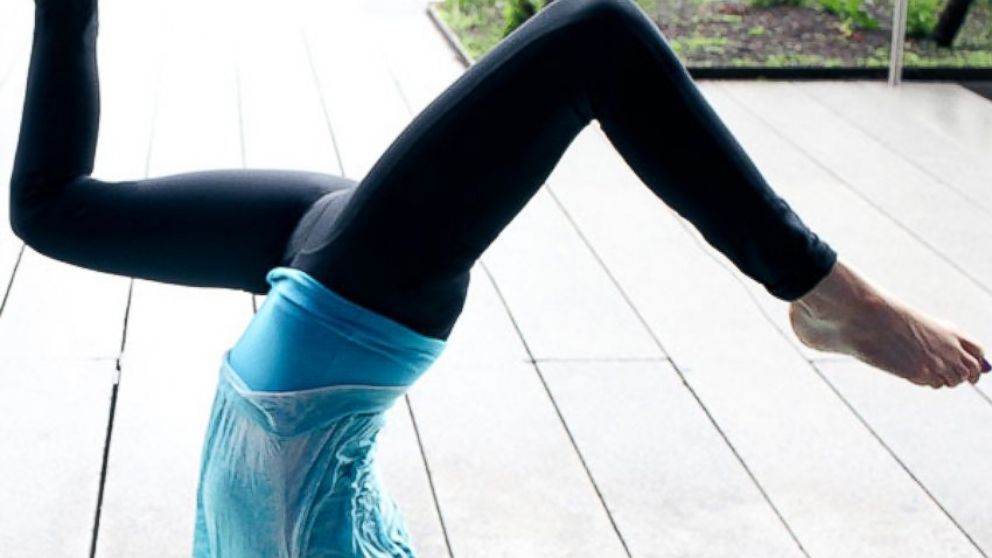
It’s the open secret of the Pilates studio. Walk into any high-end gym in Soho or a local YMCA in the Midwest, and you’ll see the same thing: rows of high-compression spandex and, more often than not, a total absence of underwear lines. The yoga pants no panties trend isn't just about aesthetics anymore; it has evolved into a functional preference for millions of athletes.
Honestly, it makes sense.
Lululemon and Alo didn’t spend millions on R&D for "naked feel" fabrics just for us to ruin the sensation with a bulky pair of cotton briefs. But beyond the smooth look, there is a legitimate physiological conversation happening here. Is it actually better for your skin? Does it cause hygiene issues? Or is everyone just tired of picking at a wedgie mid-downward dog?
The science of skin and spandex
When you’re working out, your body is a heat engine. You sweat. That moisture has to go somewhere. Traditional cotton underwear acts like a sponge, soaking up perspiration and holding it directly against your most sensitive skin. This creates a literal petri dish.
Dr. Alyssa Dweck, a gynecologist and author, has spoken openly about how tight, moisture-trapping clothing can lead to yeast infections or bacterial vaginosis. However, the catch is that modern yoga pants are often made of technical synthetic blends—think polyester, nylon, and Lycra—which are designed to wick moisture away. If you add a layer of cotton underneath, you're basically defeating the purpose of the high-tech fabric.
Going without underwear allows the sweat to move through the leggings and evaporate. It's about airflow. If the pants have a built-in gusset—that little diamond-shaped piece of fabric in the crotch—they are actually designed to be worn solo. That gusset is often lined with antimicrobial material or extra cotton to handle what a pair of underwear normally would.
It's not just about the VPL
Visible Panty Lines (VPL) are the bane of the "athleisure" world. Let's be real. Nobody wants their outfit bisected by a thick seam. But the yoga pants no panties movement is also about friction.
Chafing is real.
During a high-intensity interval training (HIIT) session or a long distance run, every extra seam is a potential site for a blister or a rash. Thongs are often the go-to solution for hiding lines, but they are notorious for moving around during dynamic movements. If a thong shifts, it can transport bacteria from the rectal area toward the vaginal area, which is a fast track to a Urinary Tract Infection (UTI). By removing that middle layer, you eliminate the "transportation" system for that bacteria. You just have to make sure you're washing those leggings after every single use. No "re-wearing" the gym pants if you went commando. That’s a non-negotiable rule.
What most people get wrong about hygiene
There’s a common misconception that going commando is "dirty."
It’s actually the opposite if you’re smart about it. The "dirtiness" comes from trapped moisture. If you wear yoga pants with no underwear, you are choosing a system that dries faster. The caveat? You have to choose the right pants. Cheap, thin leggings from a fast-fashion bin aren't going to cut it. You need opacity. You need thickness.
Check your fabric.
If the tag says 100% polyester, you’re going to have a bad time. It doesn’t breathe. You want a blend. Look for "Interlock" knits—they are double-knit and much thicker, ensuring that even in a deep squat, your leggings remain opaque. Brands like Athleta and Beyond Yoga have perfected this "squat-proof" technology.
The psychological shift in the gym
Ten years ago, the idea of skipping underwear was considered scandalous or purely "edgy." Now, it's a utility choice.
Most serious yogis find that the range of motion is just better. You feel more connected to your movements. There's no elastic digging into your hips. There’s no bunching. It’s a sensory thing. When you’re trying to focus on your breath and your alignment, the last thing you want is to be distracted by a rolling waistband or a bunching leg hole.
But it’s not for everyone.
Some people feel "exposed" or unsupported. That’s fine too. But for the vast majority of the "yoga pants no panties" crowd, it’s about the freedom of movement. It's about that seamless transition from the gym to the grocery store without feeling like you're wearing a damp diaper of sweat-soaked cotton.
Choosing the right gear for the commando life
If you're going to try this, don't just grab any old pair of tights.
- The Gusset Check: Look inside the crotch area. Is there a diamond-shaped patch? If it's just a single straight seam running front to back, do not go commando. That seam will be incredibly uncomfortable and will likely cause irritation.
- The Light Test: Hold your leggings up to a window. If you can see the silhouette of the trees through them, the whole world will see your business during a forward fold.
- Fabric Weight: Look for grams per square meter (GSM). A higher GSM (around 250-300) usually means a sturdier, more "private" fabric.
- Moisture-Wicking Labels: Make sure the tech is actually there. Silver-ion infusions or specific "Dry-Fit" technologies help keep the bacterial load down.
Addressing the "What if?" factor
People worry about "leaks" or discharge. It’s a natural bodily function.
The reality is that most high-quality athletic leggings are surprisingly absorbent. If you’re concerned, many brands now offer "period-proof" or "leak-proof" yoga pants that have an integrated, ultra-thin absorbent layer. This gives you the commando feel with an extra safety net. Brands like Thinx or Knix have moved into the activewear space specifically to address this.
Also, let’s talk about the washing.
When you wear yoga pants no panties, your leggings are now your underwear. You wouldn't wear the same pair of underwear two days in a row (hopefully), so don't do it with your leggings. Wash them in cold water with a sports-specific detergent like Hex or Nathan Power Wash. Regular detergents often leave a "film" on synthetic fabrics that traps odors. You want something that breaks down those organic proteins.
Actionable steps for your next workout
If you're curious about making the switch or just want to optimize your current setup, here is how you handle it like a pro.
- Audit your drawer. Flip your leggings inside out. Any pair without a triangular or diamond gusset stays in the "wear with underwear" pile.
- Do the squat test in front of a mirror. Use bright lighting. If you can see skin color through the fabric when stretched, those aren't your commando pants.
- Carry a "backup" pair of seamless thongs. If you get to the gym and feel too self-conscious, it’s better to have a backup than to have a subpar workout because you're worried about your reflection.
- Shower immediately. This is the most important part. Once the workout is over, get out of those damp clothes. The longer you sit in sweaty synthetics, the higher your risk of skin irritation or "folliculitis" (inflamed hair follicles).
- Ditch the fabric softener. Softener clogs the pores of the technical fabric, making them less breathable and more likely to trap the very odors you're trying to avoid.
The move toward skipping underwear in activewear isn't a fashion statement; it's a shift toward functional minimalism. It's about reducing the friction—literally and figuratively—between you and your movement. Wear what makes you feel confident, but if you’re going the commando route, just make sure your gear is up to the task.