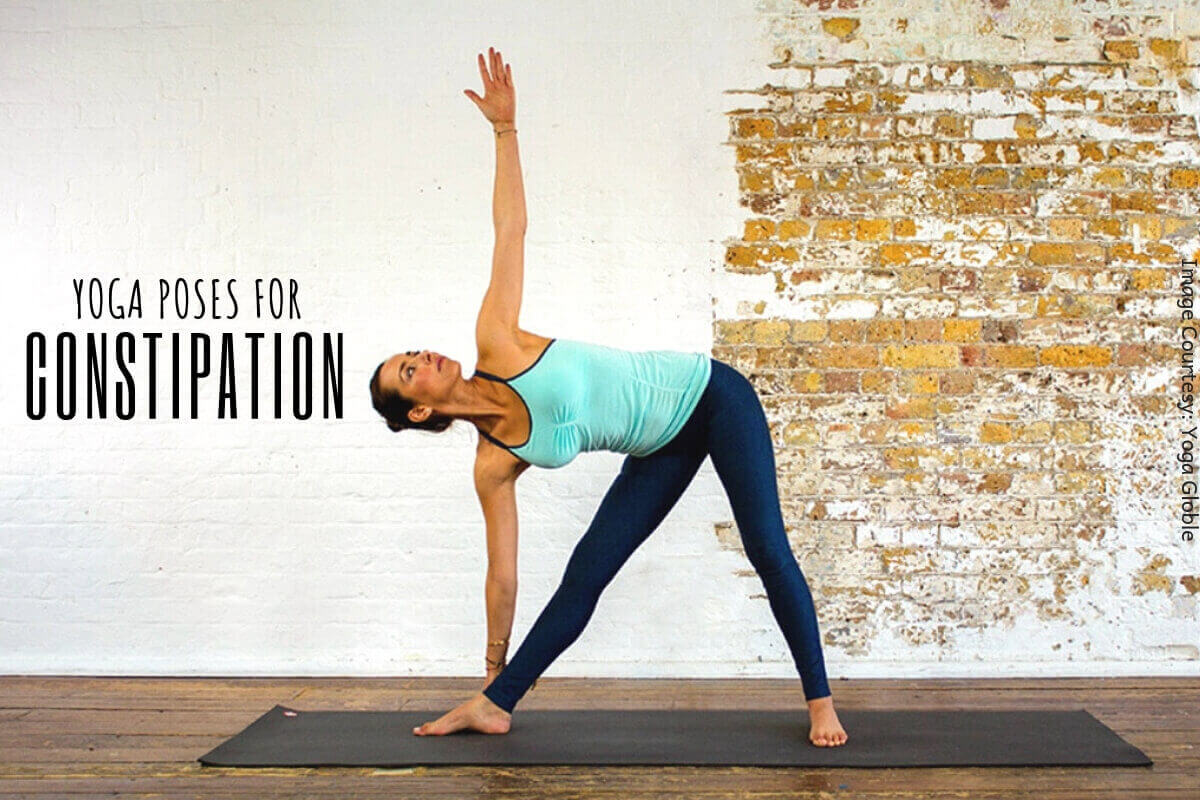
You’re sitting there. Waiting. Maybe you’ve already tried the extra shot of espresso or that bowl of oatmeal that tasted like soggy cardboard, and still—nothing. It’s frustrating. Honestly, being backed up is more than just a physical annoyance; it’s a mood killer that makes your jeans feel too tight and your brain feel foggy. Most people reach for the Miralax or a fiber supplement, which is fine, but there is this whole other physiological lever you can pull. It’s movement. Specifically, using yoga for constipation to manually nudge your digestive system back into a rhythm.
It works.
Science basically backs this up through a mix of "mechanical" massage and nervous system regulation. When you twist your torso or compress your abdomen, you’re literally putting physical pressure on the colon. Think of it like squeezing the last bit of toothpaste out of a tube. But even more importantly, yoga flips the switch on your Parasympathetic Nervous System (PNS). This is the "rest and digest" mode. If you’re stressed, your body hangs out in "fight or flight," which diverts blood flow away from your gut and straight to your limbs. You can’t poop if your body thinks it’s being chased by a predator.
The Gut-Brain Connection and Why Your Colon is Shy
It's kinda wild how much your brain dictates your bathroom schedule. There is a massive nerve called the Vagus nerve that runs from your brainstem all the way down to your abdomen. It’s the primary communicator for the enteric nervous system. When you engage in deep, diaphragmatic breathing during yoga, you’re stimulating that nerve. This tells your intestines: "Hey, it’s safe to move things along now."
A study published in the Journal of Bodywork and Movement Therapies actually looked at how yoga affects Irritable Bowel Syndrome (IBS) symptoms. They found that regular practice significantly reduced the severity of constipation. It’s not just "woo-woo" magic. It’s biology. You’re reducing cortisol, which can cause the muscles in the digestive tract to seize up or slow down to a crawl.
Most people make the mistake of thinking they need a sweaty, hour-long power vinyasa class to see results. You don't. In fact, if you go too hard, you might just stress your body out more. The goal with yoga for constipation is gentle compression and relaxation.
Poses That Actually Make You Go
Let's get into the weeds of which shapes actually matter. You don't need to be able to touch your toes or do a handstand.
1. Wind-Relieving Pose (Pawanmuktasana)
The name says it all, really. This is the gold standard. You lie on your back and hug your knees to your chest. But here is the secret: do the right side first. Your ascending colon is on the right, and the descending colon is on the left. By hugging your right knee in, you’re following the natural path of digestion. Hold it. Breathe into your belly so your stomach presses against your thigh. Then do the left. Then both. It’s simple, but the pressure helps move gas and waste toward the exit.
2. Seated Spinal Twist (Ardha Matsyendrasana)
Twisting is like wringing out a wet towel. When you rotate, you temporarily restrict blood flow to the digestive organs. When you release the twist, a fresh "flush" of oxygenated blood rushes back in. This can jumpstart peristalsis—the wave-like muscle contractions that move food through the pipe.
Don't force it. Just sit tall, cross one leg over the other, and gently turn. If you feel a "gurgle," that’s a great sign. It means things are shifting.
3. Malasana (The Squat)
Honestly, humans were designed to poop in a squat. Modern toilets are actually a bit of a design flaw because they sit us at a 90-degree angle, which creates a kink in the rectum thanks to the puborectalis muscle. When you drop into a deep yoga squat (Malasana), you straighten that path.
- Keep your feet wider than your hips.
- Let your tailbone heavy toward the floor.
- If your heels don't touch the ground, roll up a blanket and put it under them.
- Stay there for at least ten deep breaths.
4. Cobra Pose (Bhujangasana)
This is a "backbend," but for our purposes, it’s a belly stretch. If you’ve been feeling bloated and cramped, your abdominal muscles might be guarded and tight. Laying on your stomach and gently lifting your chest stretches the front of the torso. It creates space. It also puts a very slight, healthy pressure on the adrenal glands, which helps balance out that stress response we talked about earlier.
Why "Deep Belly Breathing" is the Secret Sauce
You can do all the poses in the world, but if you’re chest-breathing like you’re in a panic, it won't work. The diaphragm is a large, dome-shaped muscle right under your ribs. When you take a deep "belly breath," the diaphragm moves down and physically pushes on your internal organs. It’s an internal massage.
Try this: Put one hand on your heart and one on your belly. Breathe in so that only the hand on your belly moves. Do this for three minutes. Most people find that this alone can trigger a bowel movement because it shuts off the sympathetic nervous system’s "hold everything" signal.
Common Misconceptions About Yoga and Digestion
A lot of people think they should do yoga right after a big meal to help it digest. Please, don't do that. You’ll probably just get acid reflux or feel nauseous. You want to practice yoga for constipation on a relatively empty stomach—maybe two hours after eating, or first thing in the morning.
Another mistake? Holding your breath.
When things feel tight or uncomfortable in a pose, the natural instinct is to hold the breath. That creates internal tension. You have to breathe into the discomfort. If a twist feels too intense, back off until you can take a smooth, easy breath.
Real Talk: When Yoga Isn't Enough
Yoga is a tool, not a miracle cure for every underlying medical issue. If you haven't gone in over a week, or if you’re experiencing "red flag" symptoms like severe abdominal pain, fever, or blood, you need a doctor, not a yoga mat. Chronic constipation can sometimes be a sign of pelvic floor dysfunction, where the muscles actually work against each other (dyssynergic defecation). In those cases, a physical therapist is your best bet.
But for the average person who is just a bit sluggish due to travel, stress, or a low-fiber week? This movement protocol is usually enough to get the gears turning.
A Simple 10-Minute Routine to Get Things Moving
You don't need a fancy setup. You can literally do this in your pajamas.
- Start in Child's Pose: Big toes touching, knees wide. Let your belly hang between your thighs. Breathe deep for 2 minutes.
- Move to Cat-Cow: On all fours, arch and round your back. This gets the blood flowing to the spine and gut.
- Low Lunge with a Twist: Step your right foot forward, keep your left knee down. Bring your palms together and twist your left elbow over your right knee. Hold for 5 breaths, then switch.
- Supine Twist: Lie on your back, drop both knees to the left, look to the right. Relax.
- Legs Up The Wall: This is the ultimate "reset." It shifts blood flow and calms the heart rate.
Consistency matters more than intensity. If you’re prone to being "backed up," doing these five moves every morning before your coffee can change the game. It sets a baseline of relaxation for your gut before the stress of the day hits.
Moving Forward
If you're feeling stuck right now, stop reading and go do three minutes of the Wind-Relieving Pose. Seriously. Start with the right side. Drink a big glass of lukewarm water afterward—cold water can sometimes cause the digestive tract to contract, while warm water helps things flow.
The goal isn't to become a flexible yogi. The goal is to use your body's own mechanics to fix a mechanical problem. Pay attention to how your gut reacts to different movements. You’ll start to notice that certain twists or stretches "wake up" your system more than others.
Keep your fiber intake high with whole foods like lentils and raspberries, stay hydrated, and use these movement tools as your first line of defense. Your gut will thank you.