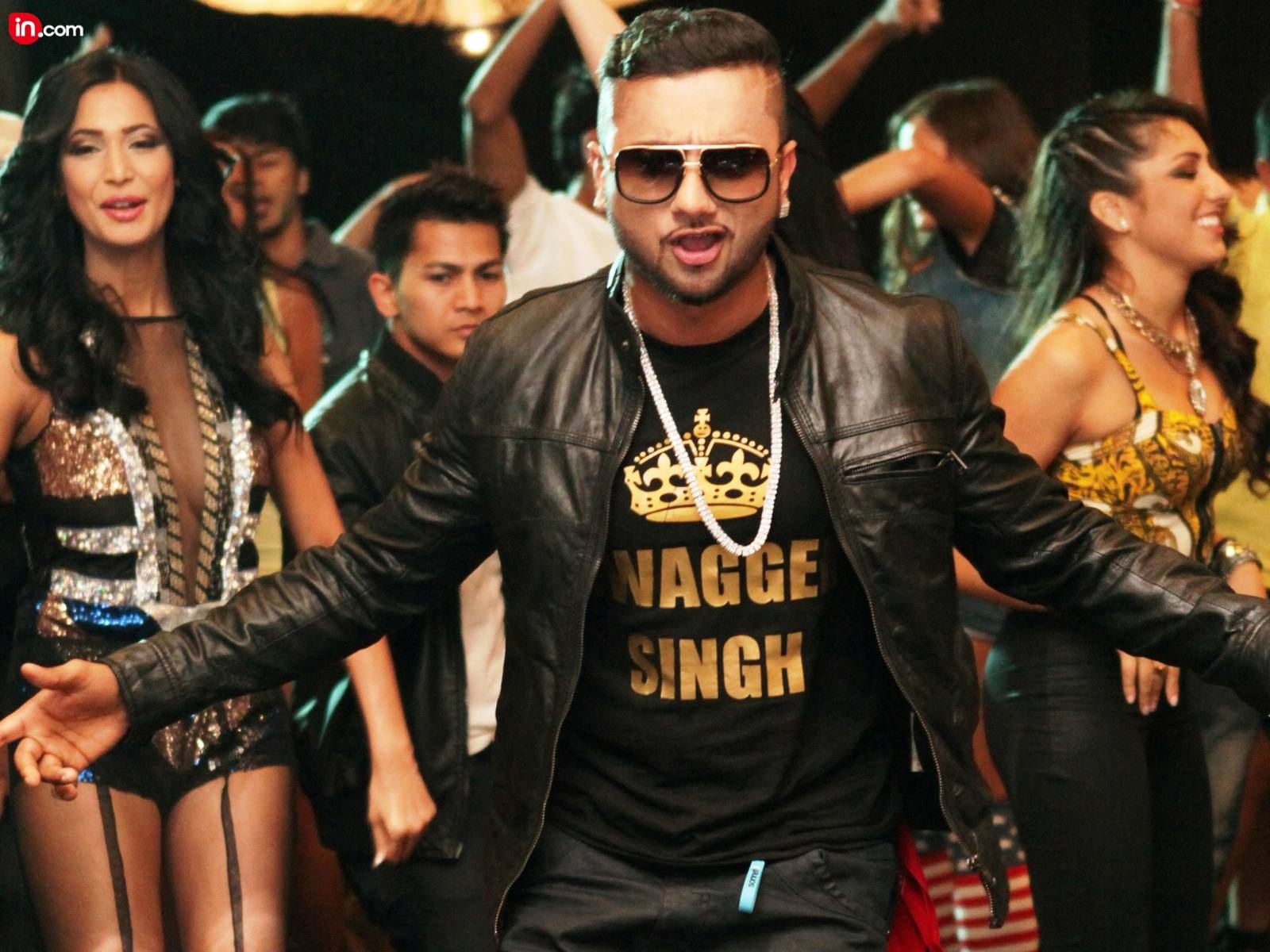
He was everywhere. Then he was nowhere. If you lived through the early 2010s, you couldn't escape the phenomenon. Yo Yo Honey Singh didn't just dominate the Indian music charts; he basically rewrote the rules of what a "superstar" looked like in the digital age. From the underground bars of Delhi to the glitzy sets of Bollywood, his voice was the literal soundtrack to a decade. But honestly, the story isn't just about the hits like "Lungi Dance" or "Brown Rang." It’s about a massive cultural shift and a very public, very painful disappearance that changed how we talk about mental health in the Indian entertainment industry.
The Rise of Yo Yo Honey Singh and the Punjabi Pop Explosion
Hirdesh Singh wasn't always the "Yo Yo" persona we know. He started as a session producer. Most people forget that. He was the guy behind the scenes, layering beats for other artists before he realized he had the charisma to front the whole show. When International Villager dropped in 2011, it wasn't just an album. It was a tactical strike. It bridged the gap between traditional Punjabi folk rhythms and Western hip-hop production in a way that felt dangerous and fresh.
Kids loved it. Parents? Not so much.
The lyrics were often polarizing. Critics slammed him for promoting "vulgarity," yet every wedding, club, and rickshaw across North India played his tracks on loop. This was the era of the "honey singh" signature hook. He brought a specific brand of swagger—heavy gold chains, expensive cars, and a "mainstream-meets-mafia" aesthetic—that hadn't been seen in India on that scale. By the time he hit Bollywood with Cocktail and Chennai Express, he was charging more than some lead actors for a single three-minute guest appearance.
What Really Happened During the Dark Years?
Success at that level is a pressure cooker. Around 2014, at the absolute peak of his powers, Yo Yo Honey Singh vanished. Like, actually disappeared.
Rumors went wild. People were saying he was in rehab for drug abuse. Some gossip columns claimed he’d gotten into a physical altercation with a major Bollywood superstar and was being "blacklisted." The silence was deafening. It took years for the truth to emerge, and it was far more complex than a simple "rehab" story.
In later interviews, specifically with The Times of India and various documentary segments, Singh opened up about his struggle with Bipolar Disorder and Psychotic symptoms. He wasn't partying. He was confined to his house in Noida, unable to face more than a few people at a time. This is where the narrative shifts. Usually, in the Indian celeb world, you hide "weakness." You pretend everything is fine until the PR team fixes it. Singh didn't do that. He eventually came back and said, "I was sick. My brain wasn't working."
That honesty was a turning point. It forced a conversation about the mental toll of fame in a country that, at the time, barely acknowledged clinical depression, let alone Bipolar Disorder.
The Sound of 2.0: Is the Magic Still There?
Coming back is harder than starting fresh. When he returned with tracks like "Makhna" and later the Honey 3.0 album, the landscape had changed. Badshah was huge. Raftaar was a household name. Divine had brought "Gully Boy" style authentic street rap to the forefront. The "Yo Yo Honey Singh" style of 2012 felt, to some, a little dated.
But here is the thing: nostalgia is a hell of a drug.
Singh leaned into a more "old school" vibe while trying to modernize his sound. He lost the weight he’d gained due to his medication—a journey he shared transparently on social media—and started performing again. The music in this second innings has been hit or miss for critics, but the numbers don't lie. His fan base, the "Yo Yo Fans," are remarkably loyal. They aren't just there for the music; they are there because they watched him fall and get back up.
His recent collaborations and the Netflix documentary project have focused on "the man behind the myth." It’s less about the "party tracks" now and more about legacy. He's trying to prove he’s a musician, not just a trend.
Why the Industry Needed a Disruptor
Before Singh, the Indian music scene was heavily siloed. You had Bollywood playback singers who were faceless voices for actors, and you had a small independent scene. Singh blew those silos apart. He demanded credit. He demanded his name be on the poster.
- Financial Leverage: He proved that an independent artist could out-earn a movie star.
- Production Style: He introduced 808 bass slides and synth patterns to mainstream Indian ears.
- Marketing: He used YouTube as a primary weapon before "going viral" was a standard business plan.
The Controversies That Won't Go Away
We have to be real here. You can’t talk about Yo Yo Honey Singh without addressing the baggage. The legal battles over lyrics and the domestic abuse allegations from his now-divorced wife, Shalini Talwar, are part of the record. These aren't just "internet rumors"; they were serious court cases that deeply impacted his public image and personal life.
The settlement of the divorce and the public nature of the accusations meant that for a segment of the audience, the "fun" vibe of his music was permanently stained. It’s a classic case of "separating the art from the artist," which is a nuance many listeners still struggle with. Some people see a survivor of mental illness. Others see a man whose lyrics and personal life reflect a problematic attitude toward women. Both perspectives exist simultaneously in the public discourse.
Actionable Insights for Fans and Creators
If you’re looking at Singh’s career as a case study, there are some pretty heavy lessons to pull from it.
For Aspiring Artists: The biggest takeaway from the early "Honey Singh" era is the power of a signature sound. He didn't try to sound like Eminem or Drake; he sounded like a guy from Delhi who listened to them but lived in India. If you want to break out in 2026, localization is your best friend. Don't just mimic global trends—bend them to fit your local slang and rhythms.
Understanding the "Comeback" Strategy: If you've been "away" from your industry, don't try to pretend nothing happened. Singh’s most successful moments in his return were when he was vulnerable about his health. Authenticity usually beats a "perfect" PR image every time. People root for a comeback, but only if they feel they know the person coming back.
The Longevity Play: Trends die fast. Singh’s 2012 style doesn't dominate 2026, but his brand does. Focus on building a community (like his "Yo Yo" fan army) rather than just chasing a single viral hit. A community stays with you through a decade of absence; a casual listener forgets you in a week.
Health Over Hype: The most sobering lesson from Singh’s hiatus is that no amount of money or "No. 1" hits can protect you from burnout or clinical illness. The industry is notoriously grueling. Prioritizing mental health isn't just a "nice to have" anymore; it’s a career survival requirement. If the biggest star in the country had to walk away for years to find himself, it's a reminder that everyone is vulnerable.
Yo Yo Honey Singh remains a complicated figure. He is a pioneer who paved the road for every Indian rapper currently on the charts, yet he is also a cautionary tale about the volatility of fame. Whether you're a fan or a skeptic, his impact on the cultural fabric of modern India is undeniable. He didn't just change the music; he changed the way the country looks at its stars.



