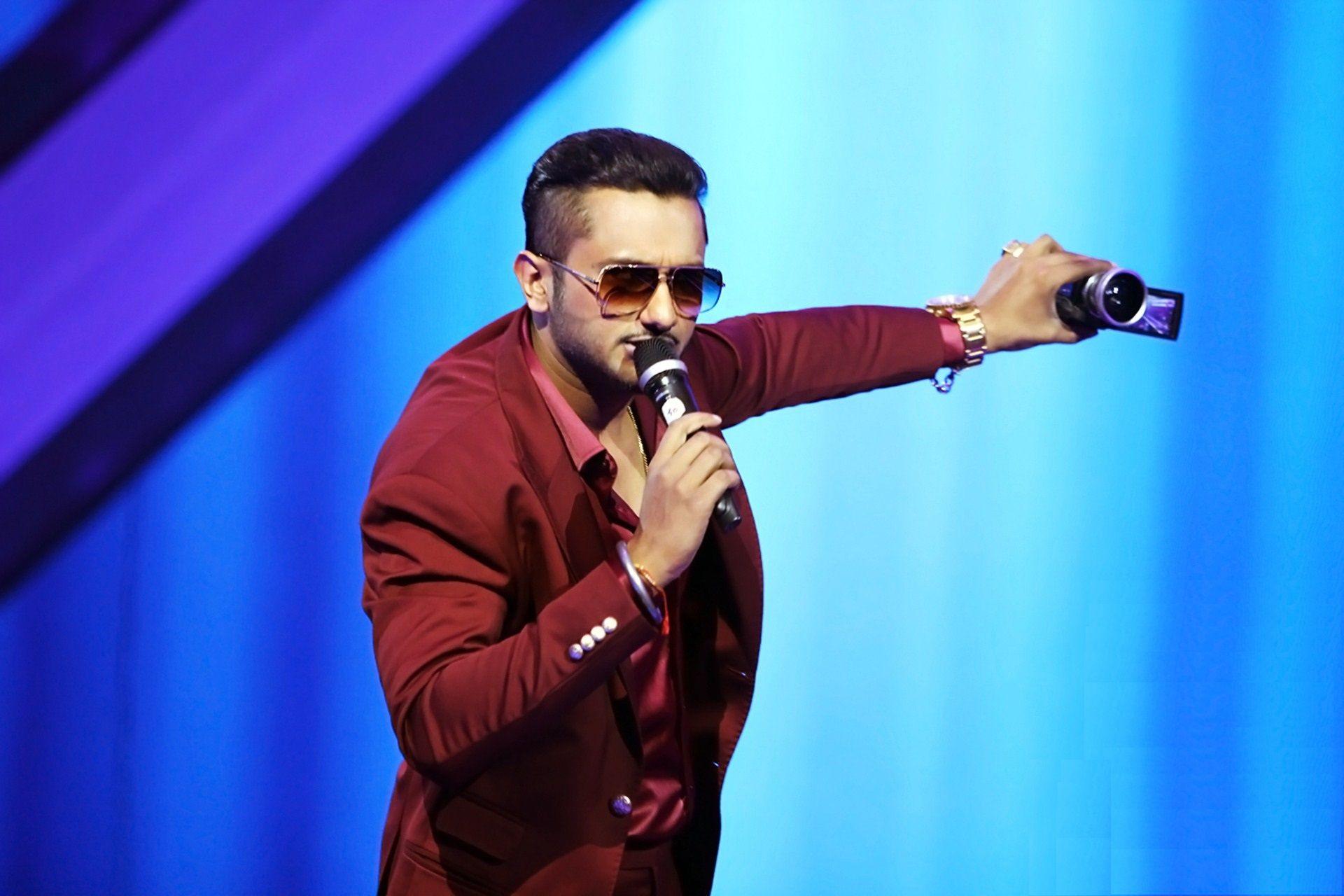
He was everywhere. Then he wasn't. If you lived through the early 2010s in India, you couldn't escape the name Yo Yo Honey Singh. From the booming bass of "Brown Rang" to the inescapable party anthem "Angreji Beat," Hirdesh Singh—the man behind the moniker—didn't just dominate the charts; he owned the entire cultural zeitgeist. He was the highest-paid artist in the country, reportedly charging ₹7 million for a single song in the film Mastan.
Then came the silence.
The disappearance of Yo Yo Honey Singh wasn't just a hiatus. It was a total vanishing act that fueled years of dark rumors, rehab theories, and "where is he now" YouTube documentaries. When he finally re-emerged, he wasn't the same. He looked different, sounded different, and the industry had moved on without him. Badshah was the new king of commercial rap. Raftaar had carved out a lyrical niche. The throne was dusty.
But 2024 and 2025 changed the narrative. With the release of Glory and his massive "International Villager 2" tour, we’re seeing something rare in Indian pop music: a second act that actually carries weight. This isn't just about nostalgia anymore. It’s about a man who survived bipolar disorder and a crumbling reputation to reclaim a spot that many thought was gone for good.
The rise that broke the Indian music industry
Before he was a superstar, Honey Singh was a music producer in the UK-Punjabi scene. People forget he wasn't always a "rapper." He was a beat-maker first. His work with Diljit Dosanjh on the album The Next Level in 2009 essentially pioneered the modern "Urban Punjabi" sound. He brought heavy synths and hip-hop percussion to traditional folk melodies. It was a literal cultural earthquake.
When he dropped International Villager in 2011, the game ended. Every single track on that album became a hit. "Gabru," "Dope Shope," "Get Up Jawani"—it was a relentless onslaught of hooks. Honestly, he understood the Indian ear better than anyone else at the time. He knew that people wanted the swag of the West but the "desi" soul of the North.
The Bollywood era followed. It was lucrative. It was also, according to some critics, the beginning of his creative dilution. Songs like "Lungi Dance" for Shah Rukh Khan's Chennai Express made him a household name among grandmothers and toddlers alike, but it pushed him further away from the raw, edgy production that made him a legend in the first place. He became a brand. A very expensive, very tired brand.
What really happened during the "Missing Years"
For nearly two years, the internet was convinced he was in a de-addiction center in Chandigarh or Noida. The speculation was nasty. In 2016, Honey Singh finally sat down for an interview and dropped a bombshell: he had been diagnosed with bipolar disorder and psychotic symptoms.
He spent eighteen months in his house in Noida. He saw four different doctors. Medications made him gain weight—a lot of it. For a man whose entire image was built on being the "cool, fit superstar," this was a devastating blow to his confidence.
"I was afraid of my own shadow," he admitted in a later press conference.
This period is crucial to understanding the current version of Yo Yo Honey Singh. He wasn't just "away." He was fighting a mental health battle that many celebrities in India still refuse to talk about openly. The industry is notoriously cold to those who stop producing hits, and the "Yo Yo" brand was essentially left for dead.
The struggle for a "New" Sound
The initial comeback attempts in 2018 and 2019, like "Makhna," were commercially successful but felt... off. The spark was missing. The lyrics felt dated. The music production felt like he was trying to copy the people who had spent the last five years copying him.
It’s a weird paradox. When you've influenced an entire generation of artists, how do you sound fresh again without sounding like you're imitating your subordinates?
The 2023 album Honey 3.0 was supposed to be the big return, but it received mixed reviews. Fans were divided. Some loved the return to his roots, while others felt the magic was gone. However, it served as a necessary "clearance" phase. He had to get the rust off. He had to lose the weight—both physically and mentally—to find his rhythm again.
Why 2024-2025 felt different
- The Weight Loss: Visuals matter in pop. His physical transformation back to a leaner, sharper version of himself signaled to fans that he was "back in the zone."
- The Collaborations: Instead of just solo tracks, he started working with younger, hungrier producers who understood the current "drill" and "trap" trends.
- The Honesty: He stopped pretending everything was perfect. In his recent documentaries and long-form interviews, he talks about his failures and his messy divorce with a level of grit we didn't see in the "Dope Shope" days.
The Glory Album: A return to form?
With the release of Glory, Yo Yo Honey Singh finally stopped chasing Bollywood's tail and went back to the independent scene. This is where he thrives. The album features a heavy influence of Latin music, Afro-beats, and classic Punjabi rap.
Is it as good as International Villager? Probably not. Nothing will ever capture that specific moment in 2011. But is it better than 90% of the commercial rap coming out of Mumbai right now? Arguably, yes. The production on tracks like "Millionaire" shows that his ear for a catchy hook hasn't completely deserted him. He’s leaning into his age now. He’s not trying to be the 22-year-old kid in the club; he’s the veteran who built the club.
Common misconceptions about Honey Singh
One of the biggest myths is that he "invented" Indian rap. He didn't. Bohemia was doing it way before him. But Honey Singh commercialized it. He made it edible for the masses.
Another misconception is that he writes all his own lyrics. It’s well-known in the industry that many of his early hits were collaborations with writers like Lil Golu, Raftaar, and Badshah (back when they were a crew called Mafia Mundeer). The breakup of Mafia Mundeer remains one of the most significant "what-ifs" in Indian music history. If they had stayed together, they would have likely controlled the entire South Asian music market for decades.
The controversy factor
You can't talk about Yo Yo Honey Singh without mentioning the lyrical controversies. The 2013 protests regarding his "misogynistic" lyrics changed how he approached songwriting. Whether you think the backlash was justified or a case of selective outrage, it permanently altered his trajectory. It made him more cautious, and some say, less interesting.
Analyzing the 2026 outlook for his career
As we move through 2026, the data shows that Honey Singh’s streaming numbers are actually stabilizing. He isn't just a "legacy act" anymore. His new music is charting on Spotify's Top 50 India list without the help of a major movie star dancing in the video. That’s a huge win.
He is currently leaning heavily into the global tour circuit. The "International Villager 2" tour across the UK, USA, and Canada has seen massive ticket sales. This suggests that the diaspora—the people who grew up on his music—now have the disposable income to see him live. He’s transitioned from a "pop star" to a "cult icon."
Actionable insights for fans and creators
If you’re a fan or someone looking to follow his career path, there are a few things to keep in mind regarding the "Yo Yo" legacy:
- Don't expect the old Honey Singh. The 2011 version is gone. The new version is a producer-heavy artist who focuses on vibes and international sounds rather than just fast-paced Punjabi lyrics.
- Watch the independent space. His best work is currently happening outside of Bollywood. If you want to hear what he’s actually capable of, skip the movie soundtracks and go straight to his personal YouTube channel or Spotify profile.
- Study his production, not just his rap. For aspiring musicians, Honey Singh’s real talent is song structure. He knows when to drop the bass and when to let the melody breathe. That’s a lesson in "ear-worm" creation that few have mastered.
- Acknowledge the evolution of the genre. Indian Hip-Hop has moved toward "DHH" (Desi Hip Hop) which is more lyrical and underground. Honey Singh sits in a different category—Pop-Rap. Don't compare him to Kr$na or Talha Anjum; he’s playing a different sport.
The story of Yo Yo Honey Singh is far from over. It’s a messy, loud, and often confusing saga. But in an industry that forgets people in six months, his ability to stay relevant for nearly twenty years is nothing short of an anomaly. He survived the peak, the crash, and the long road back. That alone is worth the respect of the industry he helped build.



