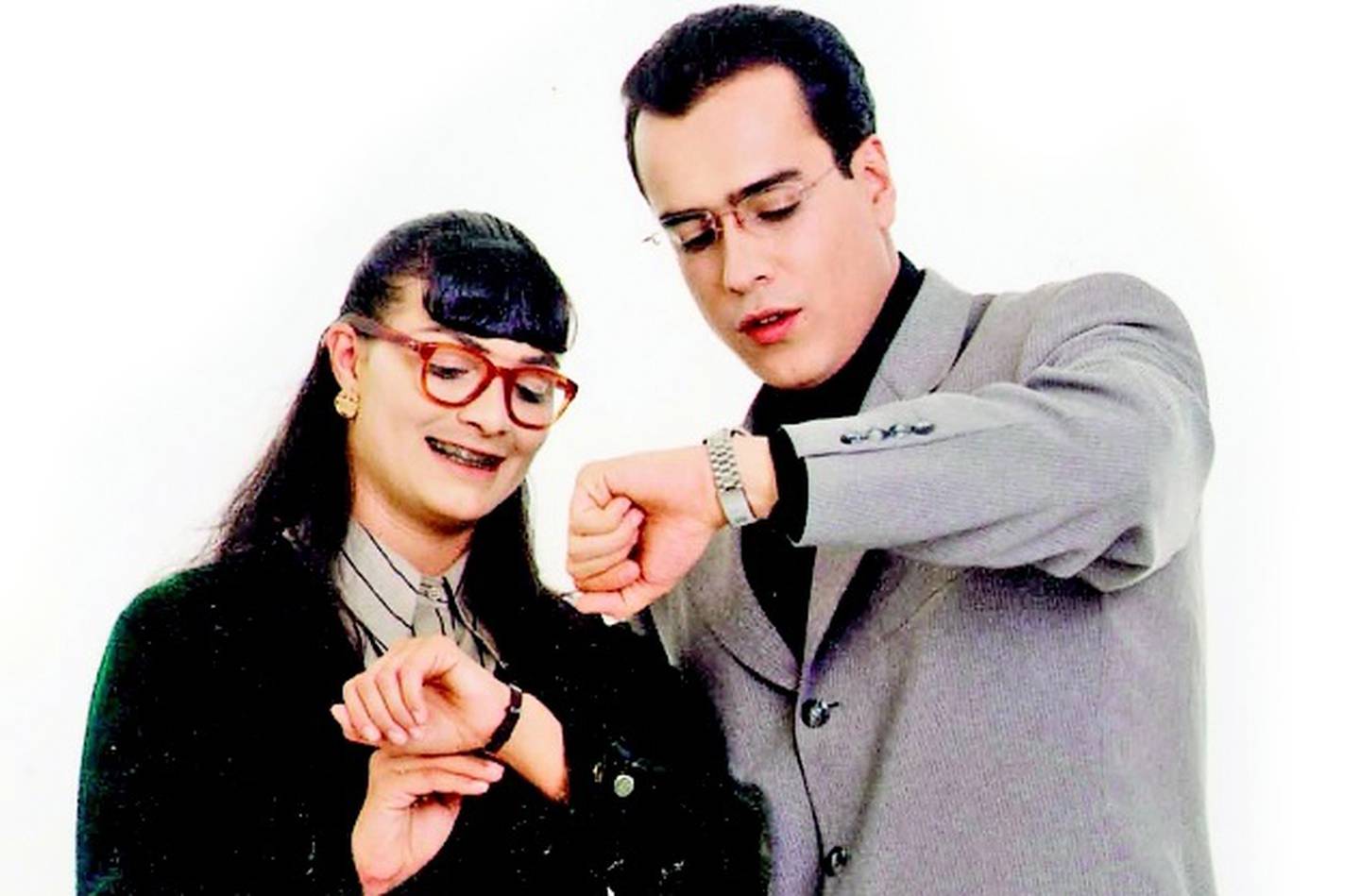
Honestly, it is almost impossible to explain the sheer, chaotic gravity of Yo Soy Betty, la fea to someone who didn't live through the late nineties. In 1999, Colombia stopped. Literally. When a pivotal episode aired, traffic died down and even the national congress would sometimes pause sessions so members could go watch. It wasn't just a show; it was a demographic-shattering earthquake that redefined how we think about beauty, labor, and the underdog.
The story of Beatriz Aurora Pinzón Solano, a brilliant but "ugly" economist working in the shark tank of a high-fashion house called Ecomoda, hit a nerve that hasn't stopped throbbing. We’re talking about a show that has been dubbed into 25 languages and inspired over 20 remakes globally, from Ugly Betty in the US to Lotte in Germany. It even holds a Guinness World Record.
The Subversive Genius of Fernando Gaitán
Most people think this is just a makeover story. They're wrong. Fernando Gaitán, the creator, didn't write a fairy tale; he wrote a biting satire of the Latin American corporate machine. Betty isn't just a girl who needs glasses—she is the engine of the company. Without her brain, Ecomoda would have filed for bankruptcy in the first ten episodes.
The brilliance lies in the discomfort. Gaitán made the "hero," Armando Mendoza, a deeply flawed, often toxic man who only starts to "love" Betty when he realizes he can use her to save his skin. It’s dark. It’s gritty. It’s way more cynical than the bubblegum versions we saw later.
Betty herself is a masterpiece of contradiction. She is fiercely intelligent but emotionally stunted by a protective father and a society that treats her like a ghost. When she laughs—that iconic, snorting, awkward laugh—it’s a middle finger to the polished, plastic world of the runway.
Breaking the Telenovela Mold
Before Yo Soy Betty, la fea, telenovelas followed a strict ritual. The protagonist was usually a poor, stunningly beautiful woman who suffered until a rich man saved her. Gaitán flipped the table. Betty was middle-class, highly educated, and visually "unpleasant" by industry standards.
The "Cuartel de las Feas" (the Club of the Ugly Women) wasn't just comic relief. They represented the actual workforce. These were women dealing with debt, cheating husbands, single motherhood, and ageism. They were the heartbeat of the show. While the "pretty people" upstairs were busy scheming and having affairs, the Cuartel was down in the basement, surviving.
Why the 2024 Sequel on Prime Video Actually Matters
Fast forward to the mid-2020s. We just saw the release of Betty la Fea: La Historia Continúa. People were terrified. "Don't ruin my childhood," was the collective cry on Twitter. But the sequel managed to capture something essential: the realization that the "happily ever after" of 2001 was a lie.
In the new series, Betty and Armando are separated. Their daughter, Mila, is a Gen Z fashionista who doesn't understand her mother. It’s a brave move. It acknowledges that the toxicity of the original Ecomoda didn't just vanish because Betty got a haircut.
The sequel digs into the "Post-Transformational" Betty. It asks a question we all forgot to ask: Does Betty actually like being the boss? Or did she just inherit a mess that she’s too tired to clean up anymore?
The Global Phenomenon by the Numbers
Let's look at the reach of Yo Soy Betty, la fea. This isn't just anecdotal.
- Over 180 countries aired the original version.
- The US version, Ugly Betty, won two Golden Globes and three Emmys.
- Jassi Jaissi Koi Nahin, the Indian version, ran for over 500 episodes.
The core theme—feeling invisible in a world obsessed with the visible—is the most universal human experience there is. Whether you're in Bogotá, New York, or Mumbai, everyone has felt like the smartest person in the room who nobody wants to talk to at the party.
The Problematic Side We Can't Ignore
Look, if you watch the original 335 episodes today, some parts are... rough. The way Armando and Mario Calderón talk about women is genuinely sexist. The workplace harassment is constant. There are jokes that would never, ever fly in 2026.
But acknowledging this is part of why the show remains relevant. It’s a time capsule of the late 90s corporate culture. It shows exactly what women had to endure to get a seat at the table. Betty didn't just have to be better than the men; she had to be a genius just to be tolerated.
The character of Hugo Lombardi, the flamboyant designer, is another complex piece. For many, he was a rare piece of LGBTQ+ visibility in Colombia. For others, he was a collection of stereotypes. He was mean, he was talented, and he was the only one who didn't pretend to be "nice" to Betty. He hated her because she lacked style, not because of a secret agenda. There’s a weird honesty in that.
Decoding the Makeover
The biggest criticism of Yo Soy Betty, la fea is always "The Makeover." Critics argue that the show's message is "you can only be happy if you become pretty."
I disagree.
The makeover in the original series is actually quite subtle. She doesn't become a supermodel. She just stops hiding behind her hair. The real transformation happens in her soul when she goes to Cartagena and meets Catalina Ángel. Catalina doesn't tell her she's ugly; she tells her she's hiding. The change is about agency. Betty starts dressing for herself, not for a boss who’s manipulating her.
Actionable Takeaways for Fans and New Viewers
If you're looking to dive back into the world of Ecomoda or experience it for the first time, here is how you should actually approach it.
1. Watch the Original Colombian Version First Skip the remakes initially. The 1999 original has a specific "telenovela-noir" vibe that the others lack. The chemistry between Ana María Orozco and Jorge Enrique Abello is lightning in a bottle. You can usually find it on major streaming platforms like Prime Video or Peacock, depending on your region.
2. Focus on the Dialogue, Not Just the Plot The scripts are incredibly fast-paced. Pay attention to the way the characters use language. The business jargon mixed with Colombian slang creates a unique rhythm that explains why the show felt so modern at the time.
3. Analyze the Power Dynamics Watch it as a workplace drama rather than a romance. If you look at it through the lens of labor relations and class struggle, it becomes a much deeper, more rewarding show.
4. Check Out the Spin-offs (With Caution) There was a short-lived sequel called Ecomoda right after the original ended. It’s... okay. It’s more of a sitcom. But if you want to see the characters in a less stressful environment, it’s worth a casual watch.
5. Follow the Original Cast on Social Media The cast remains incredibly close. Ana María Orozco and Jorge Enrique Abello often share behind-the-scenes insights that provide context to the grueling filming schedule they endured (sometimes filming 18 hours a day to keep up with the broadcast).
Yo Soy Betty, la fea isn't just a relic of the past. It's a mirror. It shows us our insecurities, our ambitions, and the ridiculous lengths we go to just to fit in. Whether she's wearing the braces or the silk suit, Betty remains the most relatable hero in television history because she proves that the only person who can truly define your value is you. Even if it takes 300 episodes to realize it.



