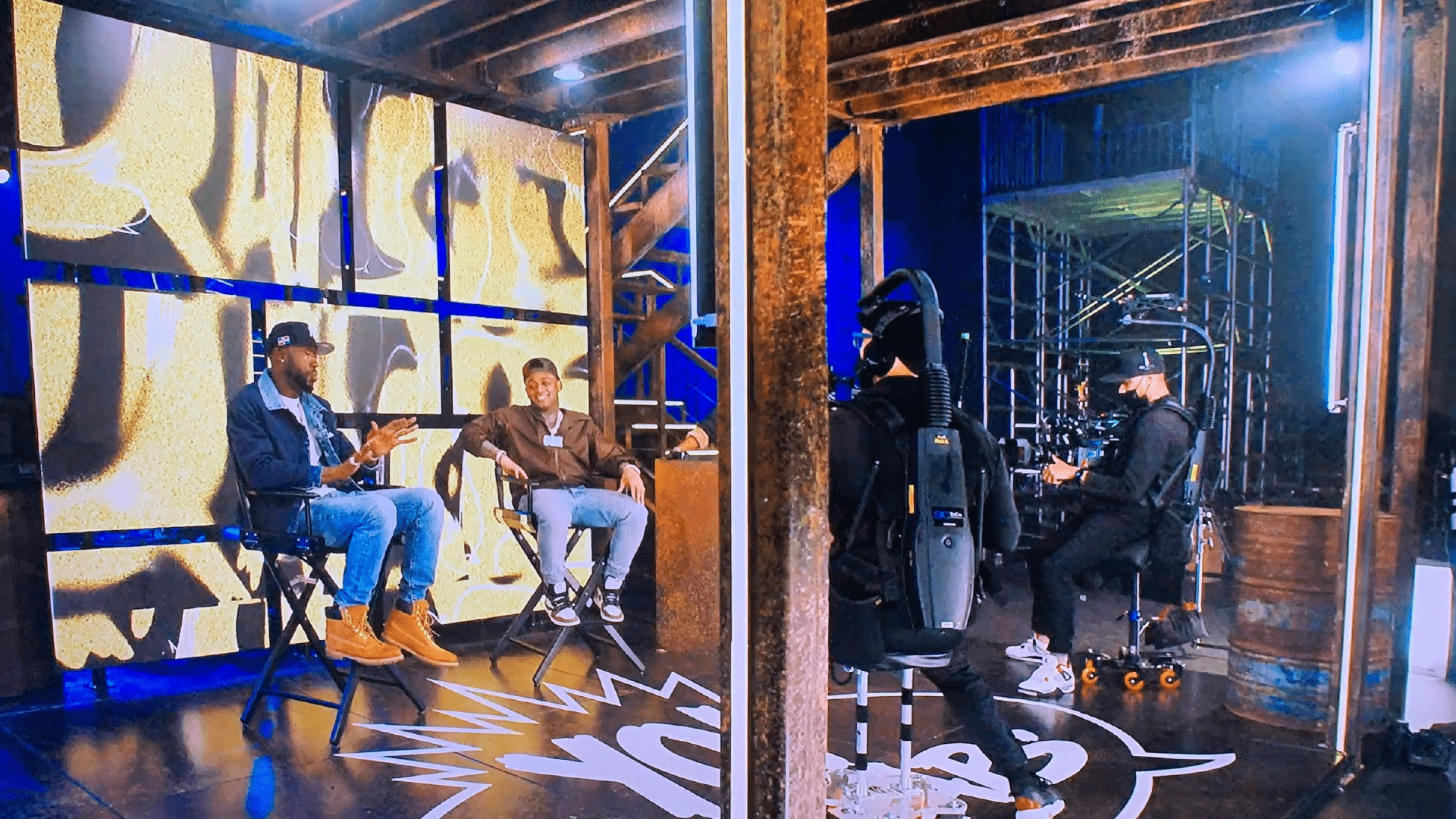
In the late 1980s, if you lived in a suburb or a small town, hip-hop felt like a distant rumor. Maybe you’d heard a stray Run-DMC track on the radio or saw a breakdancer in a movie. But then came August 6, 1988. That was the day Yo! MTV Raps premiered, and suddenly, the "noise" your parents hated was right there in the living room, in full color, and it was impossible to ignore.
It wasn't just a music show. Honestly, it was a cultural bridge. For a network that had spent years getting criticized for not playing Black artists—a frustration famously voiced by David Bowie in a 1983 interview—Yo! MTV Raps was the pivot point. It proved that rap wasn't a "passing fad," as some critics liked to call it back then. Instead, it was a global language.
The Chaos That Made It Work
The show’s pilot was actually hosted by Run-DMC. It pulled in some of the highest ratings MTV had ever seen, rivaling the Video Music Awards. That kind of success forced the suits at the network to pay attention. They eventually brought in Fab 5 Freddy—a legendary graffiti artist and filmmaker—to host the weekend episodes.
Freddy didn't want to sit in a sterile studio. He took the cameras to the streets. You’d see him walking through Compton with a bulletproof-vest-wearing N.W.A. or hanging out with LL Cool J’s mom on her couch. It felt raw. It felt real.
Then came the daily version in 1989. This is where Ed Lover and Doctor Dré (not to be confused with Dr. Dre from N.W.A.) took over. Their chemistry was basically lightning in a bottle. They weren't polished TV anchors; they were funny, loud, and totally unpredictable. They’d do the "Ed Lover Dance" to "The 900 Number" by The 45 King every Wednesday. People actually scheduled their lives around watching two guys act a fool and play music videos.
Why It Broke the Mold
- The Guest List: It wasn't just rappers. You'd see Carole King (their first weekday guest, weirdly enough), Mel Gibson, or Howard Stern popping in.
- Access: This was the first time kids in middle America saw how their favorite artists lived, talked, and dressed.
- The Music: They played stuff you couldn't hear on the radio. Eric B. & Rakim’s “Follow the Leader” was the first video ever shown. They gave airtime to Too $hort, X-Clan, and UGK long before the mainstream caught on.
The Cultural Impact Nobody Saw Coming
Before Yo! MTV Raps, hip-hop was largely regional. You had the New York sound, the Miami bass, and the West Coast vibe, but they didn't always mix. This show threw them all into one pot. It democratized the culture. If you were a kid in Ohio, you were suddenly learning about the slang of Brooklyn and the fashion of Los Angeles at the same time.
The show also became a weirdly safe space for heavy conversations. Tupac Shakur famously used an interview on the show to admit to a physical altercation with the Hughes brothers. James Brown showed up to talk about how hip-hop was sampling his soul music and connecting with the youth. It was a place where the "Godfather of Soul" and the "Kings of Rock" could exist on the same screen.
It even helped change how the music industry counted money. In 1991, when SoundScan started tracking actual record store sales, the industry was shocked to find that hip-hop was dominating the charts. A huge reason for that was the visibility provided by Yo! MTV Raps. People were buying what they saw on the screen.
What Most People Get Wrong
A lot of folks think the show ended because hip-hop died out. Actually, it was the opposite. By 1995, hip-hop had become the mainstream culture. It was everywhere. You didn't need a "specialty show" to see rap videos anymore because they were playing in the regular rotation alongside pop and rock.
The show became a victim of its own massive success. It worked so well that its existence was no longer "revolutionary"—it was just the status quo.
The original hosts often talk about how they filmed five episodes in a single day because they didn't have a budget. They’d just change clothes in a hallway and keep going. That "DIY" energy is exactly what's missing from most modern, over-produced music content.
How to Relive the Legacy
If you're looking to dive back into that era or understand why your favorite artists today dress or talk the way they do, there are a few ways to trace it back:
- Check Archive Footage: Look for the "Fab 5 Freddy in Compton" interview. It’s a masterclass in field reporting and still feels tense and important today.
- Listen to the Samples: Go back to the songs featured on the show and look up what they sampled. It’s a direct line to jazz, funk, and soul history.
- Look at the Fashion: Notice the Cross Colours gear and the oversized gold chains. That aesthetic started on these sets and ended up on high-fashion runways decades later.
The show officially signed off in August 1995 with a massive freestyle session that included everyone from Rakim to KRS-One. It was a fitting end. It started as a gamble and ended as the foundation of modern pop culture. If you see a rapper on a cereal box or a luxury brand today, you can thank a few guys from New York who decided that the revolution needed to be televised.
Next Steps for Your Deep Dive:
- Research Ted Demme and Peter Dougherty, the producers who fought to get the show on air.
- Look into Video Music Box, the New York public access show hosted by Ralph McDaniels that actually paved the way for MTV’s version.
- Watch the 2022 revival on Paramount+ to see how the format has been updated for the streaming era.



