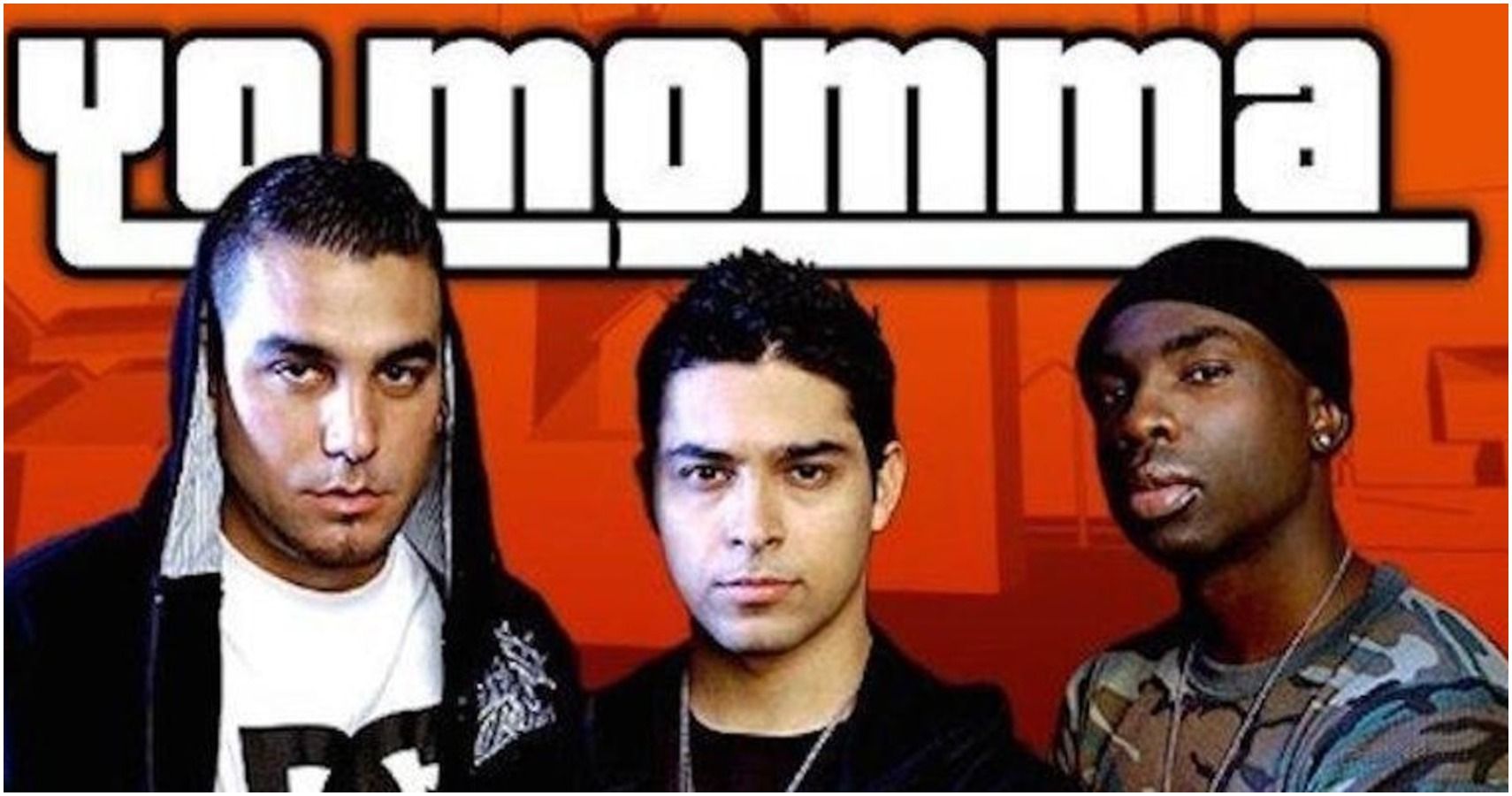
If you spent any time watching MTV in the mid-2000s, your brain is probably a graveyard of neon graphics, low-rise jeans, and the sound of Wilmer Valderrama yelling about someone’s mother. The show was Yo Momma. It was loud. It was chaotic. Honestly, it was a little bit mean. But for a specific window of time between 2006 and 2007, it was the most fascinating thing on cable television.
You remember Wilmer Valderrama as Fez from That '70s Show. Most people do. But right as he was shedding the polyester bell-bottoms of the sitcom world, he decided to pivot. He didn't just host a show; he created a "Frankenstein" of reality TV and street-style roasting. It was basically 8 Mile if the rappers were replaced by teenagers in oversized hoodies making jokes about obesity and hygiene.
The Wild Origin of Yo Momma
Wilmer Valderrama wasn't just the face of the show. He was the architect. In a recent podcast appearance on Dos Amigos in early 2025, he actually called the show his "first audacious thought." He wanted to prove he could produce, not just deliver punchlines. He pitched this idea to MTV about taking the "playing the dozens" tradition—a staple of Black urban culture—and turning it into a competitive game show.
MTV bit. Hard.
The show followed a pretty rigid, albeit frantic, formula:
- Wilmer’s scouts (Sam Sarpong and Jason Everhart) would hit different "hoods."
- They’d find two local trash-talkers to represent their area.
- Wilmer would then literally go to their houses and dig through their rooms to find "dirt" for the opponent to use.
- A final showdown happened in a dark room with a crowd that reacted to every diss like it was a world-class opera.
It sounds simple. It was actually kind of genius for the time. By 2006, MTV was moving away from music videos and toward "voyeuristic" reality. This fit perfectly right next to My Super Sweet 16. While the rich kids were crying over the color of their Range Rover, the kids on Yo Momma were trying to win cash by claiming their opponent’s mom was so fat she uses a mattress as a Maxi Pad.
The Cultural Chaos of the 2000s
You can’t talk about Yo Momma and Wilmer Valderrama without talking about the controversy. It’s impossible. Looking back at it now, some of the episodes are... a lot. Because the show was based on raw, unfiltered insults, it often stepped over the line. There were episodes where the racial tension was palpable. White contestants would use "yo momma" jokes that leaned heavily into stereotypes, and the show’s producers mostly just let the cameras roll.
Critics at the time, like those at PopMatters, pointed out that Valderrama often looked shocked at the insults but stayed neutral. He was the referee of the roast. He’d stand there in his leather jacket, leaning back, doing that specific "Oooooh!" face whenever someone landed a particularly brutal line.
"Yo momma's so fat, she's on both sides of the family."
That’s a classic. But for every "classic," there were ten jokes that would probably get a show canceled in ten minutes today. That’s the nature of 2000s MTV. It was the Wild West.
Why Did It Disappear?
The show only lasted three seasons.
- Season 1: Focused on Los Angeles.
- Season 2: Moved the roasting to New York City.
- Season 3: Ended the run in Atlanta with Destiny Lightsy joining the crew.
By the end of 2007, the fad was dying out. Wilmer was moving on to bigger things—like voicing Handy Manny for Disney, which is a hilarious contrast if you think about it for more than two seconds. He went from "your mom is a bridge" to "let's fix this fence together, kids."
The show didn't have the staying power of Punk'd, mostly because the joke pool is only so deep. There are only so many ways to call someone's mother old, fat, or poor before the audience starts checking their watches. Plus, the "Web 2.0" companion site, YoMomma.tv, where people could "bully" each other with avatars, was a nightmare to moderate.
Where Can You Watch It Now?
If you're feeling nostalgic for the era of T-Mobile Sidekicks and Ed Hardy, finding the show is a bit of a treasure hunt. It’s not sitting on Netflix. It’s not a featured title on Paramount+.
As of early 2026, you can occasionally find Season 1 for purchase on platforms like Apple TV or Amazon Video. It’s usually priced around $15 for the season. Most people, however, end up on YouTube watching grainy 360p clips of "Best of" battles. There’s a specific kind of joy in seeing a young Wilmer Valderrama hyping up a crowd in a warehouse while two guys in 5XL shirts scream at each other.
The Legacy of the Roast
Wilmer Valderrama’s career didn't suffer from the show's polarizing nature. If anything, it solidified him as a mogul. He used the success of Yo Momma to launch WV Entertainment. It paved the way for his later work on NCIS as Nick Torres and his voice work in Encanto.
He proved he could command an audience. He proved he could produce a hit. Even if that hit was built on the foundation of insulting people's parents.
The show remains a time capsule. It captures a moment when TV was less polished and more "street." It was a bridge between the old-school comedy of the 90s and the viral roast culture we see on TikTok today. If you want to understand 2006, don't look at the news—look at Wilmer Valderrama's face when a teenager from Compton tells a kid from Long Beach that his mom is the reason the "Underground Railroad" had to be reinforced.
Actionable Insight for the Nostalgic: If you’re looking to relive this era, don't bother searching for high-definition remasters. They don't exist. Instead, head to YouTube and search for "Yo Momma MTV Best Battles." You’ll find the rawest footage there. Also, if you’re a fan of Wilmer, check out his new podcast Dos Amigos. He’s been opening up a lot lately about how these "cringe" early projects actually gave him the business sense to survive in Hollywood for thirty years. It's a masterclass in failing upward—or in this case, roasting upward.



