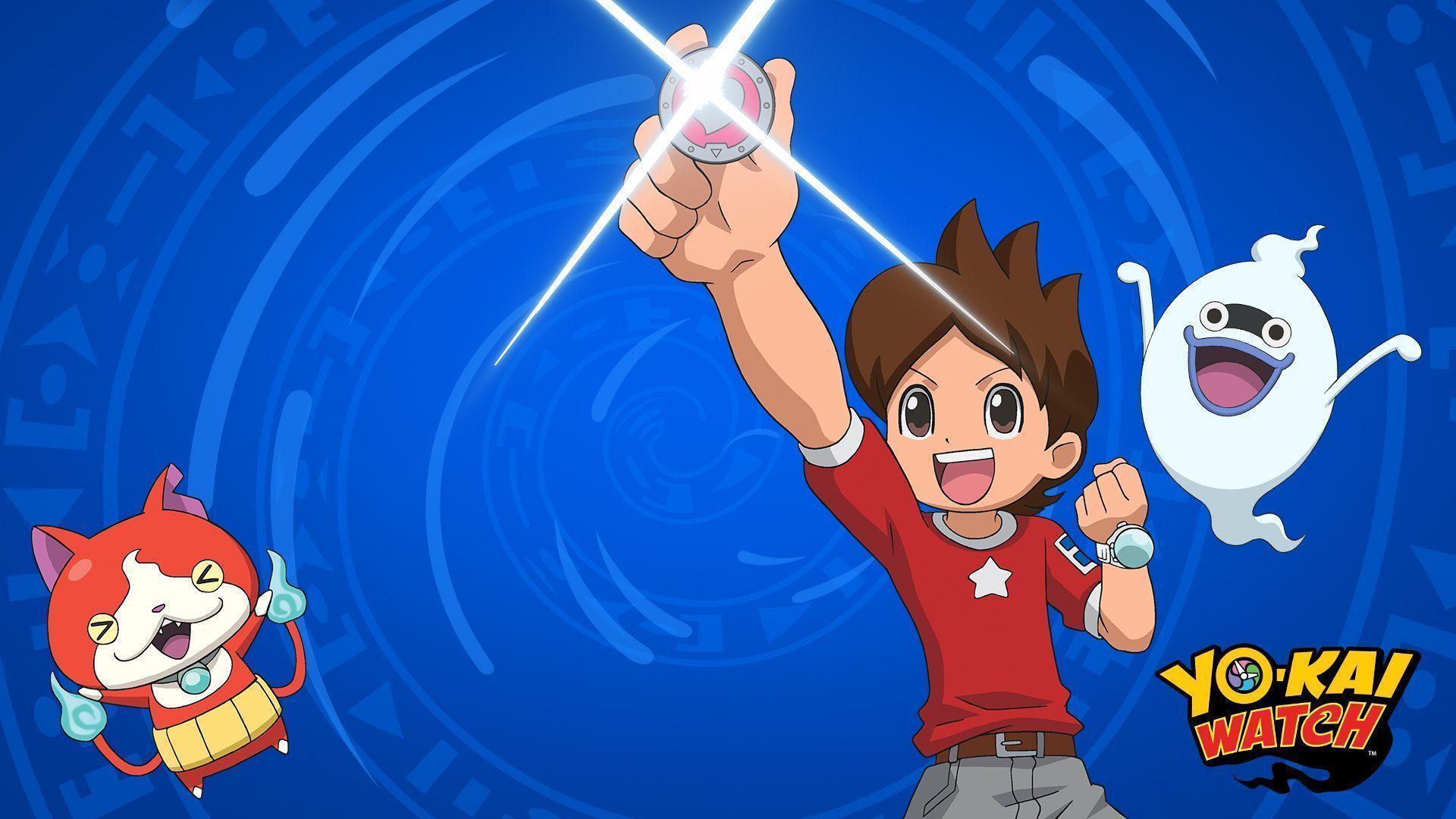
It was supposed to be the "Pokémon Killer." That’s the label everyone slapped on the franchise when it arrived on Western shores in 2015. Nintendo was backing it. Hasbro had the toys. Disney XD had the broadcast rights. The Yo-kai Watch English dub wasn't just another localization project; it was a massive, high-stakes gamble to see if lightning could strike twice for Japanese creature-collecting fads.
But things got weird. Fast. For an alternative view, consider: this related article.
If you grew up with Nate Adams, Whisper, and Jibanyan, you probably remember the sudden shift in tone, the disappearing seasons, and that jarring moment in Season 3 when everyone—and I mean everyone—suddenly sounded different. It’s a messy history. Honestly, it’s a masterclass in how a "perfect" localization can still run into a brick wall of licensing issues and changing market tastes.
The Level-5 Vision and the Early Days
Level-5, the developers behind the game, didn't just want a translation. They wanted a brand. Similar insight on this matter has been published by E! News.
The original Yo-kai Watch English dub was handled by Dentsu Entertainment USA and recorded at SDI Media in Los Angeles. This was the "classic" era. Johnny Yong Bosch, a power-hitter in the voice acting world, took the lead as Nate. He brought this specific kind of exasperated, every-man energy to a kid who was constantly being harassed by invisible ghosts.
The localization team faced a massive hurdle: Japanese culture.
The show is deeply rooted in Shinto folklore and Japanese puns. A Yo-kai like Bakuro-ba (Tattletell) makes sense in Japanese because of the wordplay, but in English? The writers had to get creative. They localized names like Koma-san and Kyubi while trying to keep the spirit of the jokes alive. Sometimes it worked. Sometimes it felt like they were trying too hard to make "Springdale" feel like a generic American suburb when there were clearly Japanese shrines on every corner.
It felt like a fever dream. A fun one, though.
Why the Yo-kai Watch English Dub Recast Happened
This is the part that still stings for most fans. You’re cruising through Season 2, everything feels familiar, and then Season 3 hits. Suddenly, Nate sounds younger. Whisper sounds... off.
In 2018, it was announced that the entire voice cast was being replaced. This wasn't because the original actors wanted too much money or got tired of the roles. It was a budget move. The production shifted from Los Angeles to a studio in Miami, Florida—specifically skipping over the union contracts that governed the original cast.
The shift was jarring.
Griffin Burns took over for Johnny Yong Bosch. While Burns is a talented actor in his own right, the transition was anything but smooth. Fans were furious. It wasn't just about the voices; it was about the feeling that the brand was being "budgeted" into obscurity. When a show replaces its entire identity three seasons in, the audience notices. They feel it.
The ratings on Disney XD started to slide. The toys weren't moving off the shelves at Target anymore. The momentum was dead.
Localization vs. Cultural Erasure
There’s a persistent debate about whether the Yo-kai Watch English dub did too much or too little.
Take the food, for example. In the Japanese version, the characters are frequently eating curry or ramen. In the dub? They’re talking about "burgers" or "pizza." It’s that old Pokémon "jelly doughnut" trope all over again. Some people argue this helped American kids relate to Nate’s world. Others think it stripped the show of the very thing that made it unique: its Japanese-ness.
- Season 1: Focused heavily on "Americanizing" the setting.
- Season 2: Started leaning a bit more into the weirdness but kept the Springdale facade.
- Season 3: Introduced "'Merican Yo-kai," which created a bizarre meta-layer where the dub had to explain "American" spirits within a show that was already supposedly set in America.
It was confusing.
The "Merican" Yo-kai arc in the Yo-kai Watch English dub is particularly fascinating. In the original Japanese, these characters were hilarious parodies of American stereotypes. When you dub that into English for an American audience, the joke loses its edge. It becomes a hat-on-a-hat situation.
The Disappearance of the Later Seasons
If you’re looking for the English version of Yo-kai Watch Shadowside or the Academy Y series, you’re mostly out of luck.
As the franchise’s popularity waned in the West, the dubbing stopped. We never got an official English version of the later, darker iterations of the show. For a while, the Yo-kai Watch English dub lived on Netflix, but even then, it was only the first season or two. The licensing became a nightmare. Level-5 eventually closed its North American offices, leaving the franchise in a sort of localized limbo.
It’s a shame. Shadowside actually addressed a lot of the criticisms of the original series by aging up the characters and taking the lore more seriously. Western fans only ever got to see the "kiddie" version of the franchise before the plug was pulled.
Is the Dub Still Worth Watching?
Yes. Despite the recast and the odd localization choices, the first two seasons of the Yo-kai Watch English dub are genuine comedy gold. The comedic timing of Whisper (voiced by Joey D'Auria in the early seasons) is incredible. He’s a pompous, "know-it-all" ghost who actually knows nothing, and D'Auria’s performance captured that perfectly.
The show didn't fail because of the quality of the dub. It failed because of a perfect storm of bad timing, a shifting toy market, and a lack of faith from the parent companies.
If you want to revisit the series today, your options are limited.
Digital storefronts like Amazon or Google Play still host some episodes, and you can occasionally find the DVDs in the bargain bins of secondhand shops. But for many, the Yo-kai Watch English dub remains a "what if" story. What if they had kept the original cast? What if they hadn't tried so hard to hide the Japanese roots?
Moving Forward: How to Experience Yo-kai Today
Since official support for the Yo-kai Watch English dub is essentially dormant, fans have had to get creative.
First, check the streaming rights in your specific region. They change constantly. One month it's on a random cable app; the next, it's gone. If you're a purist, looking for the original physical media is your best bet for archival purposes. The DVDs are becoming collector's items, especially the later volumes which had lower print runs.
Second, if you're into the games, the first three Yo-kai Watch titles on the 3DS feature the English voice talent and are arguably the best way to experience the localized world. The writing in the games is often sharper and more consistent than the anime.
Lastly, support the fan community. There are dedicated groups still translating the manga and subbing the unreleased anime seasons. While it’s not the official Yo-kai Watch English dub we all hoped for, it’s the only way to see how Nate—or Keita, as he's known in Japan—finally finishes his journey.
The dream of a Pokémon-sized takeover might be dead, but the "strange and unusual" world of Springdale still has plenty of secrets if you're willing to look for them. Just don't expect the voices to stay the same.
To get the most out of the series now, prioritize watching the first 76 episodes to experience the original Los Angeles cast's chemistry before the production shift.



