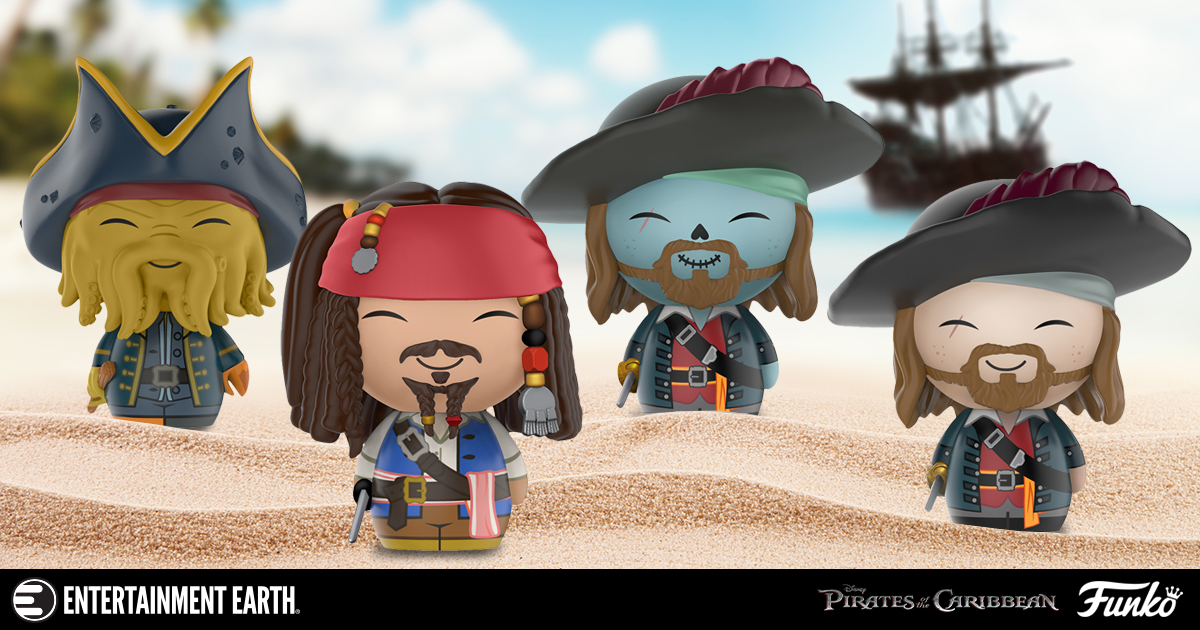
If you’ve ever stepped foot in a Disney park, those five words—yo ho a pirate's life for me—are probably permanently etched into your brain. It’s a catchy tune. It’s also surprisingly dark if you actually listen to the lyrics. We’re talking about a song that celebrates arson, kidnapping, and "ravaging" towns, yet it’s the anthem for a wholesome family vacation.
Funny how that works.
Most people don't realize that this song wasn't written by some anonymous sailor in the 1700s. It was a deliberate piece of 1960s commercial art designed to make people feel a very specific kind of nostalgia for a "Golden Age" of piracy that never really existed. It’s a masterpiece of branding. It’s also the reason why, decades later, we still associate pirates with rum and "yo-ho-ing" rather than the brutal, desperate reality of maritime outlaws.
The Men Behind the Mayhem
The song was born in the mid-1960s. Walt Disney wanted a catchy theme for his new "Pirates of the Caribbean" boat ride. He didn't want a history lesson; he wanted a vibe. He tapped Xavier "X" Atencio to write the lyrics and George Bruns to compose the music.
Atencio was an animator. He wasn't a songwriter. That’s probably why the lyrics feel so punchy and rhythmic—he approached them like a storyboard. Bruns, on the other hand, was the guy behind the Sleeping Beauty score and the Davy Crockett theme. He knew how to write a melody that you couldn’t get out of your head even if you tried.
They nailed it.
The song was recorded by the Mellomen, a singing group that featured Thurl Ravenscroft. You know his voice. He’s the guy who sang "You're a Mean One, Mr. Grinch" and voiced Tony the Tiger. That deep, booming bass is what gives the "Yo Ho" chorus its weight. Without that specific vocal texture, the song might have felt like a cheap jingle. Instead, it feels like it’s being sung by a bunch of guys who haven't seen a bathtub in three years.
A Shanty That Isn't a Shanty
Technically, yo ho a pirate's life for me isn't a traditional sea shanty. Real shanties were work songs. They had a specific rhythm to help sailors haul ropes or turn a capstan in unison. This song? It’s a "show tune" masquerading as folklore. It borrows the feeling of a shanty—the "call and response" structure—but it’s way too polished for a ship’s deck.
Honestly, it’s closer to a drinking song. It’s designed to be shouted over the sound of clinking glasses.
What the Lyrics Actually Mean
Let's look at the words. "We pillage, we plunder, we rifle and loot. Drink up, me 'earties, yo ho." It’s basically a checklist of crimes.
- "We kidnap and ravage and don't give a hoot." * "We're rascals, scoundrels, villains, and knaves."
- "We're devils and black sheep, really bad eggs."
For a long time, the ride actually depicted the "ravaging" part a bit too literally. There was a scene where pirates were chasing women in circles. Disney eventually changed this—now the pirates are chasing the women for food, or the women are chasing the pirates with broomsticks. It was a necessary update to keep the song from feeling too grim for 2026 sensibilities.
The genius of the lyrics lies in the word "me 'earties." It sounds authentic. It feels like 18th-century slang. In reality, it’s a stylized version of West Country English, which became the "standard" pirate accent thanks to Robert Newton’s performance in the 1950 film Treasure Island. Atencio leaned into that trope hard.
Why the Song Saved the Pirates of the Caribbean Movie
When Disney decided to turn a 40-year-old theme park ride into a movie in 2003, people thought they were crazy. Most pirate movies had flopped. Remember Cutthroat Island? Exactly.
The movie succeeded because it leaned into the mythology created by the song. When Jack Sparrow (Johnny Depp) first appears, he isn't a terrifying murderer; he’s a "lovable rogue." That’s the exact archetype the song created. The film even opens with a young Elizabeth Swann singing yo ho a pirate's life for me while standing in the fog.
It acted as a bridge. It told the audience, "Hey, this is going to be a fun adventure, not a gritty historical drama."
The song appears throughout the franchise. It’s the drunken anthem Jack and Elizabeth sing on the deserted island. It’s the melody that triggers nostalgia in the audience. Without that musical DNA, Pirates of the Caribbean might have just been another generic action flick. Instead, it felt like part of a larger, beloved universe.
The Power of "Yo Ho" as a Hook
The phrase "Yo Ho" itself is fascinating. It’s an onomatopoeia. It sounds like a grunt of effort or a shout of joy. It’s easy to say in any language. That’s why the song works in Disney parks in Paris, Tokyo, and Shanghai. You don’t need to know English to understand the energy of a "Yo Ho."
It’s a universal signal for "mischief."
The Psychological Hook: Why We Love Being "Bad Eggs"
There is a reason this song resonates more than, say, a song about being a noble knight or a hardworking farmer. It’s pure escapism. Yo ho a pirate's life for me represents a total rejection of society’s rules.
Think about the life of an average person in the 1700s. It sucked. You worked until you died, usually for very little money, under the thumb of a king or a landlord. Piracy, despite its violence, offered a weird kind of democracy. Pirates voted for their captains. They shared booty equally. They had "disability insurance" for lost limbs.
The song ignores the scurvy and the public hangings. It focuses on the freedom.
"We're beggars and blighters and ne'er-do-well cads." There’s a pride in being the "black sheep." When we sing along, we’re tapping into that tiny part of our brains that wants to quit our jobs, buy a boat, and stop caring about taxes. It’s a three-minute vacation from being a "good citizen."
Realism vs. Disney: The Massive Gap
If we're being honest, the real "pirate's life" was miserable.
Take Blackbeard (Edward Teach). He didn't spend his time singing catchy songs. He spent his time tying slow-burning fuses into his beard to look like a demon so people would surrender out of pure terror. Or look at Anne Bonny and Mary Read—they weren't "rascals and scoundrels" for fun; they were fighting for survival in a world that gave women zero options.
The song is a sanitized, "vibe-heavy" version of history. But that’s okay.
Music doesn't always have to be a documentary. Sometimes its job is to create a myth. The myth of the "gentleman pirate" or the "funny drunk pirate" is far more useful to pop culture than the reality of a desperate thief with yellow fever.
The Musicology of the Song
George Bruns did something clever with the time signature. It’s a 6/8 meter.
In music theory, 6/8 is often used for sea-faring songs because it has a "lilting" or "swaying" feel. It mimics the motion of a ship on the waves. If the song had been in a standard 4/4 time, it would have felt like a march. By keeping it in 6/8, Bruns made sure that even if you're standing on solid ground, you feel like you're on a boat.
Also, notice the use of the accordion and the flute. These instruments feel "folk." They feel portable. They suggest a group of people making music with whatever they had on hand. It’s a highly calculated "lo-fi" aesthetic.
How to Use This Energy in Your Own Life
You don't have to actually plunder a village to appreciate the "Yo Ho" mindset. In 2026, the pirate's life is more about a spirit of independence.
- Embrace the "Bad Egg" status. Don't be afraid to be the outlier in your industry or social circle.
- Focus on the "Me 'Earties." Piracy was nothing without the crew. Build your "crew" of people you trust.
- Find your "Yo Ho." Find that one thing that makes you feel rebellious and free, even if it’s just a hobby.
- Keep it simple. The song works because it’s easy to remember. Complexity is often the enemy of a good life.
The song isn't going anywhere. As long as there are people who feel a little bit trapped by the "civilized" world, they’re going to keep singing about the rascals and the scoundrels who didn't give a hoot. It's a reminder that life is short, the sea is big, and sometimes, you just need to drink up and enjoy the ride.
If you're looking to dive deeper into the history of these "villains and knaves," your best bet is to look into the works of Marcus Rediker or David Cordingly. They peel back the Disney layer to show the real men and women who inspired the song. You'll find that while the real history doesn't have a catchy chorus, it’s even more wild than the ride.
Grab a copy of Under the Black Flag if you want the grit. Stick to the Mellomen if you just want the "Yo Ho." Both are valid ways to experience the legend.



