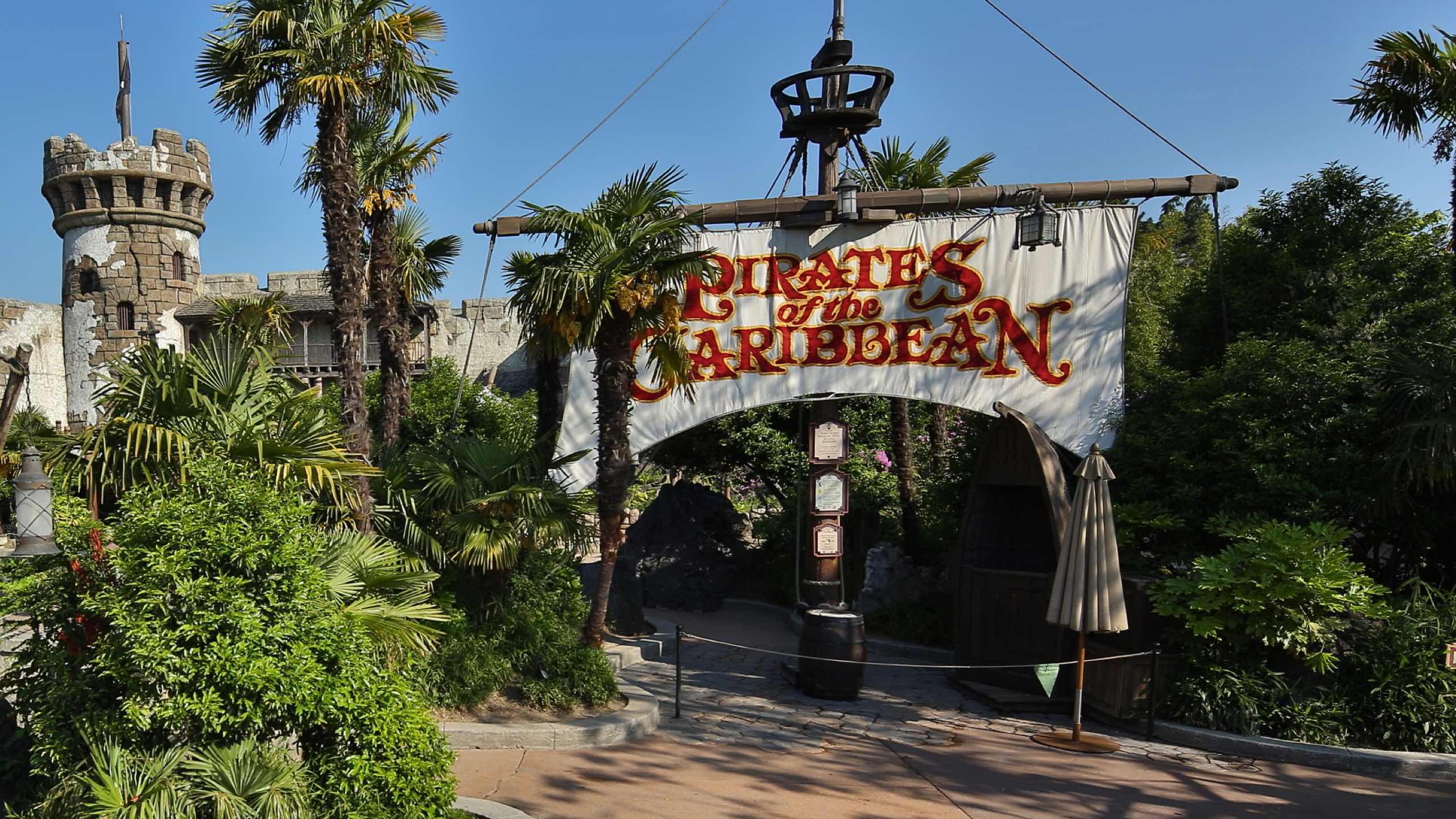
You know the tune. Even if you haven’t stepped foot in a Disney park in a decade, that rhythmic, chanting "Yo Ho" is probably stuck in your head right now. It's iconic. A pirate's life for me lyrics aren't just a catchy jingle; they are a weirdly dark, incredibly catchy piece of mid-century Americana that somehow made pillaging sound like a family-friendly weekend activity.
Honestly, it’s a miracle this song exists in the form it does today.
When Walt Disney was developing the Pirates of the Caribbean attraction in the 1960s, he didn't want a terrifying historical reenactment. He wanted a "musical adventure." To get the tone right, he tapped Xavier "X" Atencio to write the lyrics and George Bruns to compose the music. Here’s the kicker: Atencio had never written a song in his life. He was an animator. But Walt had a hunch, and that hunch turned into the most recognizable sea shanty in modern history.
The Raw Truth Inside the A Pirate's Life for Me Lyrics
The lyrics are actually pretty grim if you stop to think about the words while you’re eating your churro. We're talking about arson, kidnapping, and theft. The song opens with a bang.
Yo ho, yo ho, a pirate's life for me. We pillage, we plunder, we rifle and loot. Drink up me 'earties, yo ho. We kidnap and ravage and don't give a hoot. Drink up me 'earties, yo ho.
It’s bold. It’s also a masterclass in using "villainous" vocabulary to create a sense of freedom rather than pure malice. The word "ravage" was actually a point of contention for years. In the context of the 1960s, it was a bit edgy for a theme park. But the bouncy, oom-pah-pah melody by Bruns masks the crime spree. It makes the listener feel like they're part of the crew, not the victims.
Why the "Drink Up" Refrain Matters
You’ve noticed the repetition. "Drink up me 'earties, yo ho" acts as the glue. In traditional maritime music, shanties were functional. They were work songs designed to keep a crew in sync while pulling ropes or raising anchors. While A pirate's life for me lyrics were written for an animatronic show, they mimic that functional rhythm perfectly.
The phrase "me 'earties" is a derivative of "my hearties," a nautical term for comrades or shipmates. It builds an immediate sense of belonging. You aren't just watching pirates; the song is inviting you to be one. That’s the secret sauce of the whole attraction.
Changes, Censorship, and the Evolution of the Verse
If you haven't been on the ride recently, you might not realize the lyrics and the scenes they accompany have changed. For a long time, the "pillage and plunder" aspect was reflected in a scene where pirates chased women.
Disney eventually swapped this.
Now, the pirates are chasing women who are carrying trays of food, or the women are chasing the pirates. The lyrics remained largely the same, but the context shifted. The song has survived these cultural shifts because it represents a "fairytale" version of piracy. We aren't looking at the brutal reality of the 18th-century Caribbean; we are looking at the idea of it.
The Verses You Might Have Missed
Most people only know the first two stanzas. However, the full version used in the attraction and various recordings includes some delightfully descriptive lines:
We're rascals and scoundrels, we're villains and knaves. We're devils and black sheep, we're really bad eggs.
The term "bad eggs" is quintessential Atencio. It’s a playful way to soften the "villains and knaves" part. It’s also interesting to note how the song uses "knaves"—a word that was already sounding a bit Shakespearean by 1967—to give the song a "timeless" feel.
Then there's the fire:
We burn up the city, we're really a fright. We ignite and inflame and ignite.
The repetition of "ignite" is almost hypnotic. It matches the visual of the burning town in the ride, which, fun fact, was so realistic when it first opened that the Anaheim Fire Chief was reportedly concerned it was a real fire.
The Technical Brilliance of George Bruns
We can't talk about the lyrics without the music. George Bruns was a genius at creating "earworms." He used a 6/8 time signature. This is crucial. 6/8 time has a swaying, rolling feel—like a boat on the water. If the song had been in a standard 4/4 march, it would have felt like a military anthem. In 6/8, it feels like a drunken stumble or a ship’s roll.
He also used a lot of brass and accordion. These instruments carry a "sea-faring" connotation in Western pop culture. When you hear that accordion wheeze, your brain instantly goes to "pirate." It’s a shortcut to world-building.
Is it a real sea shanty?
Technically? No. A real sea shanty is a folk song. A pirate's life for me lyrics are a commercial composition. But it has become a "folk song" through sheer popularity. It has been covered by everyone from The Jonas Brothers to various punk bands. It’s the standard against which all other pirate music is measured.
How to Use These Lyrics in Modern Content
If you're a creator or just someone obsessed with the lore, there’s a lot to pull from here. The song works because it balances the "dark" with the "fun."
- Focus on the "We": Notice how the lyrics never say "I." It’s always "We." It’s about the collective. If you’re writing about community or groups, that’s a powerful linguistic tool.
- Contrast the Tone: The song pairs dark verbs (pillage, burn, kidnap) with a bright melody. This creates a "safe" way to explore dangerous themes.
- The Power of the Onomatopoeia: "Yo Ho" doesn't really mean anything, but it sounds like effort and celebration combined.
The Lasting Legacy of the Scoundrel
At the end of the day, a pirate's life for me lyrics endure because they tap into a universal desire for total, reckless freedom. No bosses, no taxes, just the open sea and a bunch of "bad eggs" to hang out with.
It’s a sanitized version of history, sure. But as a piece of lyrical engineering, it’s nearly perfect. It tells a story, sets a mood, and stays in your head for forty years.
Actionable Insights for Fans and Researchers
- Listen for the Layers: Next time you hear the song, try to isolate the accordion track. It provides the rhythmic "swing" that makes the lyrics feel nautical.
- Compare the Versions: Check out the movie version from The Curse of the Black Pearl. Jack Sparrow hums it to himself. It’s used there as a character beat, showing that Jack buys into his own mythos.
- Check the Credits: Look into Xavier Atencio’s other work, like "Grim Grinning Ghosts" for the Haunted Mansion. You’ll see a pattern of how he uses "spooky" or "mean" words in a way that remains catchy and accessible.
The song isn't just a piece of theme park history. It’s a masterclass in thematic songwriting that proves you don't need to be a professional songwriter to create a global phenomenon—you just need a good hook and a bit of a "bad egg" attitude.



