It started as a joke. Honestly, most things in the indie gaming scene do, especially when you're talking about a preschool show from the mid-2000s featuring a giant orange robot and a pink flower girl. But Yo Gabba Gabba Quest isn't some low-effort meme you play for thirty seconds and forget. It’s a brutal, surprisingly technical RPG that has managed to captivate a niche corner of the internet by being way better than it has any right to be.
If you grew up watching DJ Lance Rock and the gang, this is going to feel like a fever dream. A really hard fever dream.
The Reality Behind Yo Gabba Gabba Quest
Let’s get the basics out of the way first. This isn't an official Nick Jr. release. You won’t find it on a shiny disc at a big-box retailer. It’s a fan-made project developed using RPG Maker, and it treats the source material with a mix of genuine nostalgia and absolute absurdity.
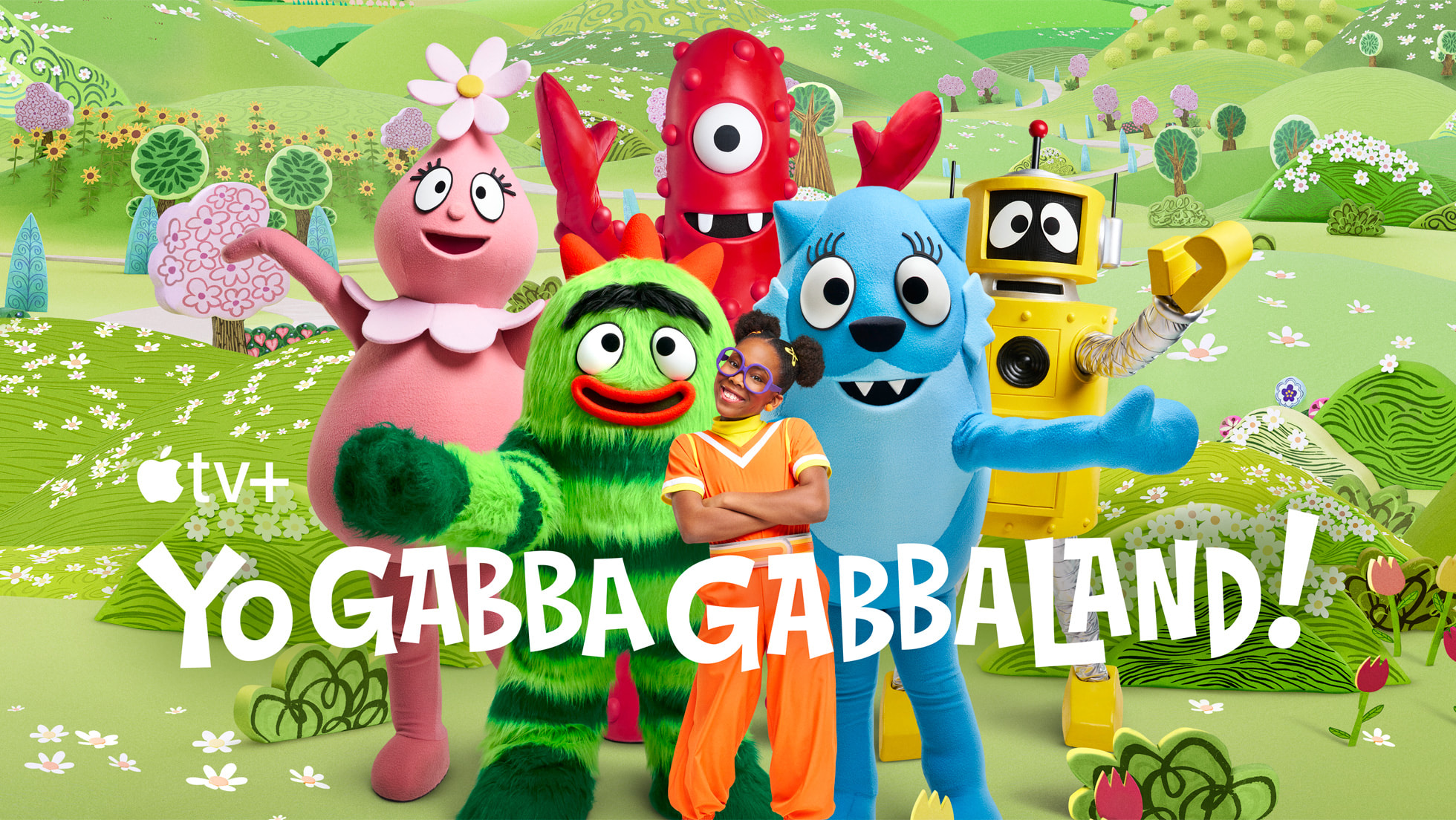
The premise is straightforward: a dark force has messed with Gabba Land, and Brobee, Muno, Foofa, Toodee, and Plex have to go on a "quest" to fix it. Standard stuff, right? Wrong. The game takes these neon-colored characters and drops them into a turn-based combat system that requires actual strategy. You can't just spam the "attack" button and win. You'll die. Often.
People find it through itch.io or game jams, and the initial reaction is always the same. Total confusion followed by an "oh, wait, this is actually kind of good" realization. It’s that specific brand of internet culture where irony wraps all the way back around to sincerity.
Why the Difficulty Spike Matters
The game’s difficulty is its defining trait. You expect a game based on a show for toddlers to be a breeze, a walk in the park with a catchy song. Instead, Yo Gabba Gabba Quest slaps you in the face with status effects and resource management.
Why do developers do this? It’s a subversion of expectations. By making the game punishingly difficult, the creator forces you to engage with the mechanics. You start caring about Brobee's health pool because if he goes down, your whole party composition falls apart. You start strategizing around Plex’s technical abilities. It turns a "kid's show game" into a legitimate challenge for seasoned RPG players. It's brilliant in its simplicity.
Mechanics, Memes, and Music
The music is, unsurprisingly, a highlight. The original show was famous for its indie-rock sensibilities, featuring bands like The Shins, MGMT, and The Killers. The game tries to capture that "cool for parents, fun for kids" vibe but skews it toward the aesthetic of 16-bit JRPGs.
- The Combat: It’s classic turn-based fare. You have your standard HP and MP (or the game's equivalent).
- The Skills: Each character's moveset is ripped directly from their personality in the show. Muno is the tank. Toodee is often your speed or magic-equivalent dealer.
- The Humor: This is where the "human" element of the development really shines. The dialogue is snappy, self-aware, and occasionally touches on the existential dread of being a costume character in a magical land.
The Community Following
There is a specific type of gamer who loves these "Quest" style fan games. Think back to OFF or Space Funeral. These games use pre-existing assets or surreal art styles to create an atmosphere that feels slightly "off." Yo Gabba Gabba Quest fits right into this lineage.
On forums and Discord servers, players share builds and tips on how to beat specific bosses. It’s a tiny community, but it’s dedicated. They appreciate the fact that someone took the time to map out a full RPG progression system for characters that usually spend their time singing about not biting your friends. It's the contrast that sells it.
The Technical Side of Fan Projects
Developing something like this isn't easy. Even with RPG Maker’s accessible tools, balancing a game for an audience that grew up on Dark Souls but still likes Yo Gabba Gabba is a tightrope walk. You have to keep the charm of the original show without making it too "kiddy," and you have to keep the game hard without making it unfair.
Most of these projects are solo endeavors. One person sitting in a room, probably fueled by caffeine and a weirdly specific hyper-fixation on DJ Lance Rock’s hat, coding battle triggers and drawing sprites. When you play Yo Gabba Gabba Quest, you’re playing someone’s passion project. That’s why it feels more "human" than a $70 corporate tie-in.
Common Misconceptions
One big mistake people make is thinking this is a horror game. It’s not "creepypasta" fuel. While there are some weird moments—because the show itself was pretty trippy—it doesn't rely on jump scares or "evil" versions of characters to be interesting. It relies on being a solid game.
Another misconception is that it’s finished or polished. Like many fan games, it can be buggy. You might find a sequence break or a dialogue box that doesn't trigger quite right. But that’s part of the charm of the indie scene. You're seeing the rough edges of a creator's vision.
How to Get the Most Out of Your Playthrough
If you’re going to dive into this, go in blind. Don’t look up a walkthrough unless you’re truly stuck on a boss. The joy of Yo Gabba Gabba Quest is the "what on earth am I looking at?" factor.
- Pay attention to the elemental weaknesses. Just because it’s a pink flower doesn't mean it’s weak to fire (though usually, it is).
- Talk to everyone. The NPCs in these games often have the best jokes or give you items that make the mid-game much less of a slog.
- Manage your saves. Don't be that person who saves with 1 HP right before a boss fight triggers. You'll regret it.
The game isn't just a nostalgia trip. It’s a testament to how creative fans can be when they take a property they love (or ironically love) and turn it into something entirely new. It takes the "Quest" suffix seriously.
Final Insights for the Aspiring Player
The reality is that Yo Gabba Gabba Quest exists in a legal grey area, as all fan games do. It could disappear tomorrow if the rights holders decided to be difficult, though usually, these small-scale projects are left alone. That sense of "get it while you can" adds to the underground appeal.
If you want to experience it, look for the official project pages on indie hosting sites. Avoid third-party "re-upload" sites that might bundle the game with malware. Stick to the source.
Actionable Next Steps
To actually get into the game and the culture surrounding it, follow these steps:
- Search for the developer's original post: Usually found on itch.io or specialized RPG Maker forums. This ensures you have the most "stable" version of the game.
- Check the version number: Some versions of these quests have "Easy Modes" added later due to complaints about the difficulty. Decide if you want the "pure" punishing experience or a more relaxed story run.
- Join the conversation: Look for the specific hashtags on social media or threads on Reddit’s indie gaming subs. There’s usually a "secrets" thread that explains how to find the hidden bosses.
- Support indie creators: If you like the game, see what else the developer has made. Often, these "silly" fan games are just practice for their original commercial titles.
Ultimately, this game is a weird, wonderful slice of internet history. It proves that with enough creativity and a copy of RPG Maker, you can turn a preschool show into a tactical challenge that keeps adults frustrated and entertained for hours. It's a quest worth taking, if only to see Muno deliver a devastating critical hit one last time.