Walk into any thrift store or scroll through a vintage marketplace like Depop lately and you'll see it. That bright orange, cyclopean face. Muno. He's staring at you from a crinkled piece of paper tacked to a wall. It is strange how a show that premiered nearly twenty years ago on Nick Jr. still commands so much visual real estate in our homes. Honestly, Yo Gabba Gabba posters have transitioned from being simple nursery decorations into legitimate pieces of pop-art history.
It wasn't just a kids' show. It was a cultural reset designed by Christian Jacobs and Scott Schultz, the minds behind The Aquabats!. Because of that ska-punk pedigree, the aesthetic was never "babyish." It was retro-futuristic, heavily influenced by 8-bit video games, Devo, and low-brow art. When you hang a poster of Foofa or Plex today, you aren't just showing off a cartoon; you're displaying a specific era of indie-sleaze adjacent design that shouldn't have worked for toddlers, but somehow defined a generation.
The Design Language of Gabbaland
What makes these posters so collectible? It’s the color theory. Most kids' shows use primary colors—red, blue, yellow—because that’s what "experts" say babies like. Yo Gabba Gabba! threw that out the window. They used neon pinks, radioactive greens, and deep teals.
Take the "There's a Party in My Tummy" posters. They usually feature the green monster Brobee. These aren't just screenshots from the show. The best ones are stylized illustrations that look more like a concert flyer for a band playing a dive bar in 2008 than a PSA about eating carrots. This is likely why adults keep buying them. You can put a high-quality print of DJ Lance Rock in a minimalist black frame and it actually looks... cool? It’s weird. But it works.
The show's connection to the "Super Music Friends Show" meant that artists like Mark Mothersbaugh and Biz Markie were baked into the DNA of the brand. This led to a series of limited-edition promotional prints and tour posters that are now highly sought after by collectors. If you find an original 2010 "Live on Stage!" tour poster in good condition, you're looking at a piece of memorabilia that bridges the gap between parenting and indie rock history.
Why the Resurgence in 2026?
Nostalgia is a hell of a drug. The kids who watched the original run are now in their twenties, furnishing their first apartments. They want things that feel safe but also slightly edgy. Yo Gabba Gabba! always had that "is this a hallucination?" vibe that resonates perfectly with current internet aesthetics.
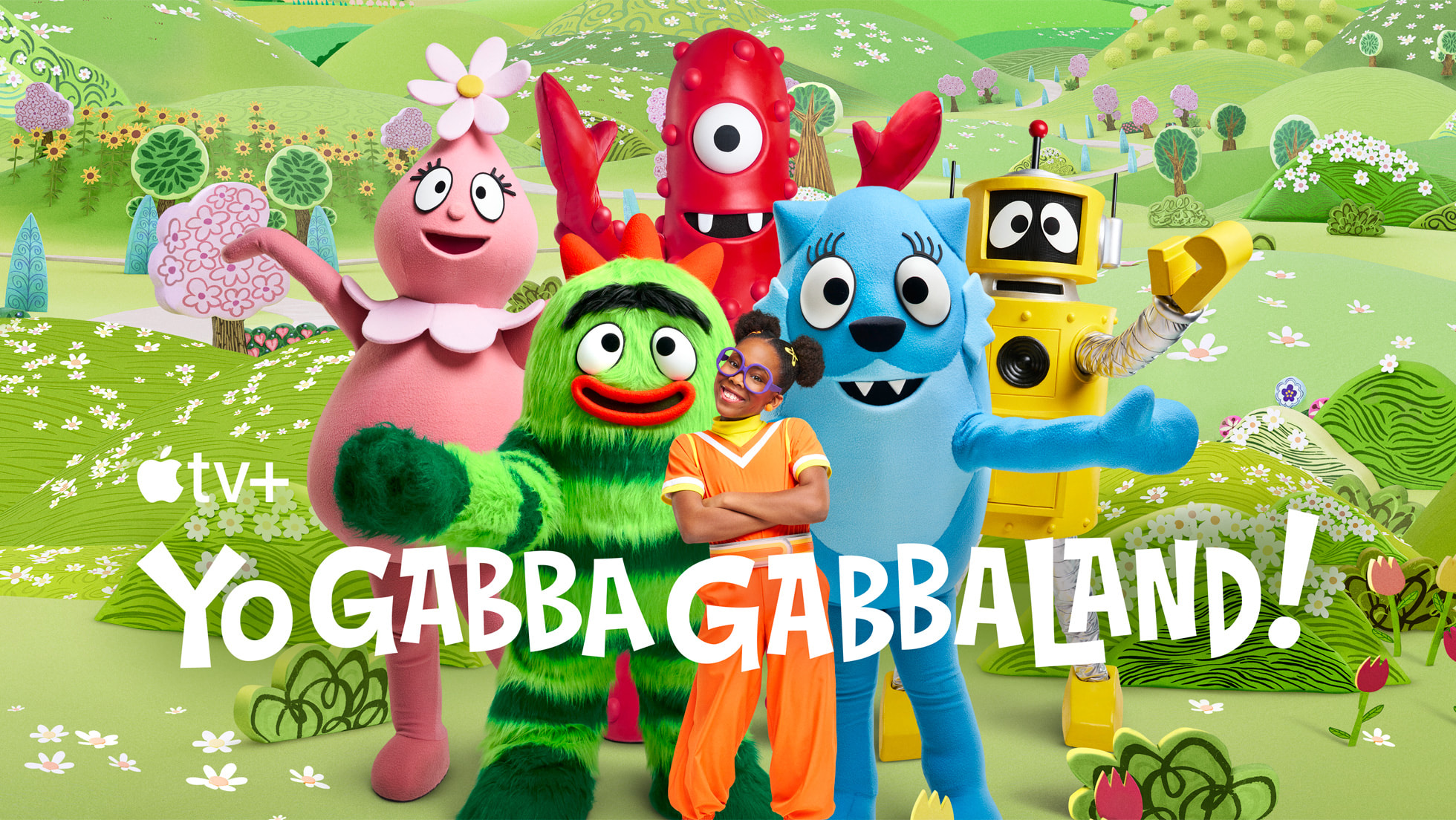
Plus, with the revival Yo Gabba GabbaLand! hitting Apple TV+, a whole new wave of merchandise has flooded the market. But there is a massive difference between the mass-produced stuff you find at big-box retailers and the vintage-style Yo Gabba Gabba posters that focus on the original character designs.
Authentic vs. Bootleg: What to Look For
If you're hunting for these, you've gotta be careful. The market is flooded with low-resolution scans.
- Paper Stock: Original promotional posters from the Nickelodeon era were usually printed on 80lb or 100lb gloss text paper. If it feels like a thin piece of office paper, it’s a modern reprint.
- The "Nick Jr." Logo: Look for the specific era-appropriate logo in the bottom corner. The vintage "orange splat" or the later minimalist lowercase "nick jr" text helps date the piece.
- Artist Credits: Sometimes you’ll find posters designed by guest illustrators like Parker Jacobs. These are the "Holy Grail" items.
It’s also about the "Cool It Down" segments. Those animations were often outsourced to independent artists, leading to a variety of visual styles. Posters that capture these specific segments—like the "Dancey Dance" instructional layouts—are much more visually interesting than a standard group shot of the cast standing in a line.
Decorating With Chaos
How do you actually style a five-foot-tall pink flower monster in a modern living room? You don't hide it.
I’ve seen people use these posters as the anchor for a "Kidcore" aesthetic. It’s all about clashing patterns and bright lights. But honestly, even in a more subdued room, a single, well-framed Yo Gabba Gabba poster acts as a conversation starter. It tells people you don't take life too seriously. It reminds you of a time when Jack Black showed up in a yellow jumpsuit just to teach you how to "Disco Dance."
There is a specific joy in the character Plex. As the robot of the group, his posters often lean into the mid-century modern "Space Age" look. These fit surprisingly well with Eames chairs and teak furniture. It’s a bit of kitsch that feels intentional rather than accidental.
Where to Find the Rarest Prints
Forget the "official" stores for a second. If you want the stuff that actually has soul, you have to dig.
- eBay International: Sometimes the Japanese or European promotional materials had much better art than the US versions. The Japanese posters for the show often used more white space and tighter typography.
- Estate Sales: Sounds morbid, but as the first wave of Gabba-parents downsize, their "playroom" decor is hitting the secondary market.
- Local Print Shops: Occasionally, old stock from defunct toy stores or video rental places (if you can find one) turns up.
Actually, the best way to get a "vintage" look without the $200 price tag is to look for high-resolution digital archives of the original "Super Music Friends Show" posters. Some fans have painstakingly restored the files so you can print them on heavy cardstock at a local shop. It’s not "original," but it saves a piece of art from disappearing.
The Emotional Connection
At the end of the day, these posters represent a specific philosophy: "Be Nice to Your Friends." In a world that feels increasingly cynical, having a giant, smiling monster on your wall is a radical act of positivity. The show taught us about loss, about trying new things, and about the fact that it's okay to be weird.
The posters are just the physical manifestation of those lessons. They aren't just for kids anymore; they're for anyone who remembers that the world used to feel a little bit brighter and a lot more colorful.
How to Build Your Collection
To start a legitimate collection of Gabba memorabilia, you should prioritize quality over quantity. Don't just buy every shiny thing you see.
- Verify the Source: Before buying an "original" poster online, ask the seller for a photo of the copyright line at the bottom. It should list Viacom or WildBrain depending on the year.
- Invest in Framing: UV-resistant glass is a must. The bright pinks and oranges in these posters are notorious for fading if they catch even a little bit of direct sunlight.
- Mix the Eras: Don't be afraid to pair an original 2007 era Muno print with a 2024-2026 revival poster. The contrast in animation styles shows the evolution of the brand.
- Check the Dimensions: Standard US movie poster size is 27x40 inches, but many Gabba promos were "bus shelter" size or small 11x17 flyers. Measure your wall before you commit to a purchase.



