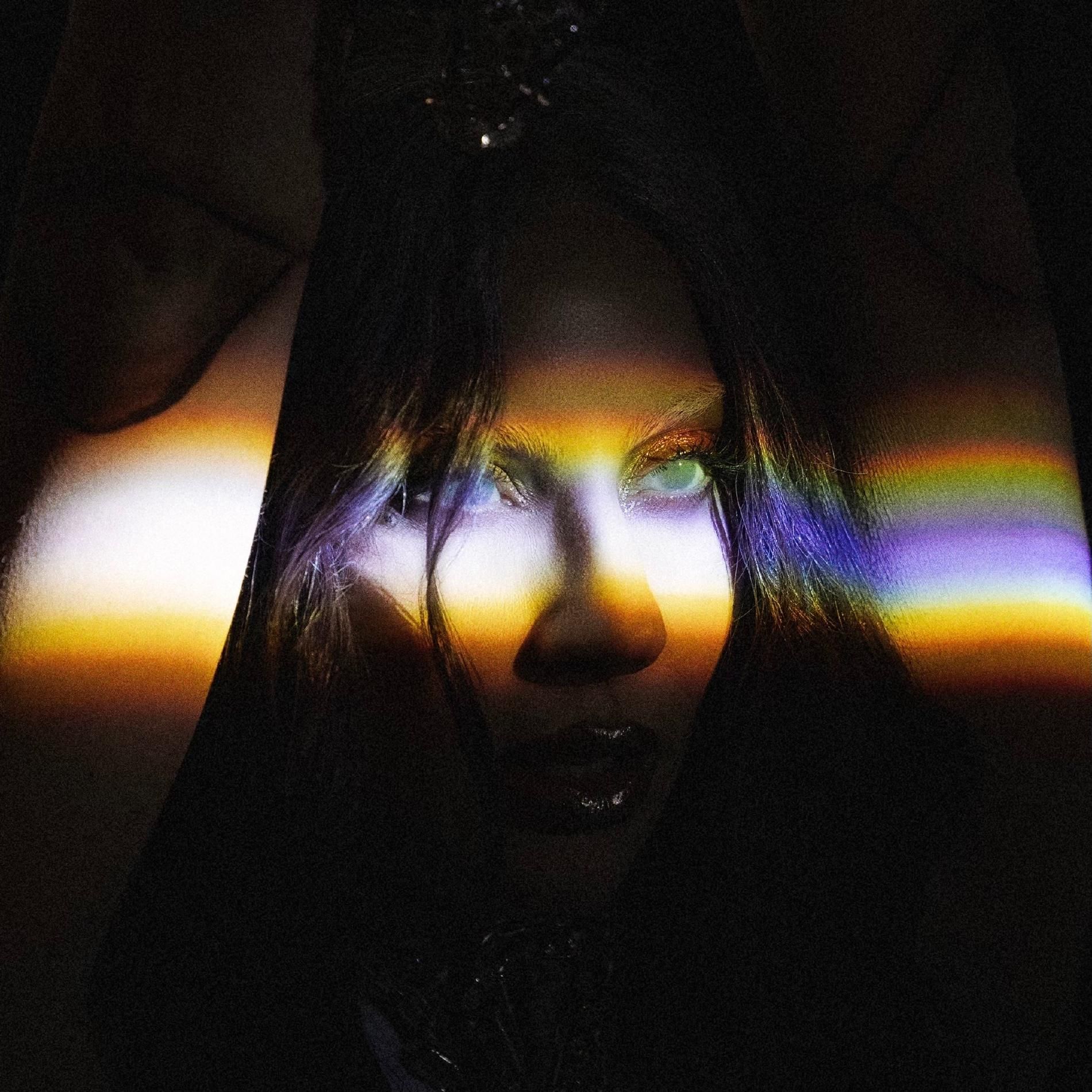
It started with a piano and a lot of whiskey. Most people remember "Yoü and I" as that one Lady Gaga song where she dressed up as a guy, but the reality is way more grounded than the prosthetics suggest. This wasn't just another dance-pop hit. It was a massive pivot. Before this, Gaga was the girl in the meat dress, the "Poker Face" enigma who seemed more machine than human. Then came this stomping, Queen-inspired rock anthem that felt like it belonged in a smoky Nebraska dive bar rather than a glitzy arena.
When you look back at Yoü and I Lady Gaga represents a specific moment where Stefani Germanotta finally started to peek through the Gaga persona.
She wrote it in her New York apartment on a baby grand. She was obsessed—honestly, probably a little too obsessed—with an ex-boyfriend named Lüc Carl. He was a bartender and a musician, a guy who loved heavy metal and dive bars. That's the DNA of the song. It’s not about a "Little Monster" or a conceptual art piece. It’s a desperate, loud, foot-stomping plea for a guy to stay.
The Queen Connection and Brian May’s Stamp of Approval
You can't talk about this track without talking about Queen. Listen to the beat. It’s got that "We Will Rock You" thud. Gaga actually tracked down Brian May to play guitar on it. That’s not a synth or a session player trying to sound like him; it’s actually the man himself with his "Red Special" guitar.
Robert John "Mutt" Lange produced it. If that name sounds familiar, it’s because he’s the guy behind Shania Twain’s biggest hits and Def Leppard’s Hysteria. He doesn't just do "pop." He does stadium-sized wall-of-sound rock. He made Gaga do something like 40 or 50 vocal takes. He wanted her voice to sound raw, scratched, and exhausted. He wanted the listener to hear the cigarettes and the gin.
Basically, the production was a nightmare in the best way possible. It was recorded in Switzerland, far away from the Hollywood scene, which is probably why it sounds so different from anything else on Born This Way. It doesn't have the Euro-trash synth lines of "Government Hooker" or the techno pulse of "Marry the Night." It's just grit.
Jo Calderone and the Nebraska Mythos
The music video is where things got weird. Most fans know about Jo Calderone. He was Gaga’s male alter ego, a foul-mouthed, chain-smoking Italian-American from Jersey. She didn't just wear a suit; she lived as him for the entire shoot. Legend has it she didn't even drop the character when the cameras stopped rolling.
The video was filmed in Springfield, Nebraska. Why Nebraska? Because that’s where Lüc was from.
It’s meta. It’s messy. You have Gaga as a mermaid in a bathtub, Gaga as a robot, and Gaga as a man. It’s a visual representation of how she felt she had to change herself to be "right" for this guy. It’s actually kinda heartbreaking when you strip away the high-concept fashion. She’s literally walking from New York to Nebraska until her feet bleed just to see him.
Some critics at the time thought it was too much. They said the video was overstuffed. Maybe it was. But in the context of Yoü and I Lady Gaga was proving she could do more than just dance music. She was planting the seeds for what would eventually become Joanne and A Star Is Born. Without the success of this rock-country experiment, she might never have had the guts to do the jazz albums with Tony Bennett.
Why the Song Still Matters in 2026
If you turn on a "Best of the 2010s" radio station today, this song still hits. It’s timeless in a way that "Bad Romance" (as iconic as it is) isn't. High-energy synths age. A distorted guitar and a live drum kit don't.
A Quick Breakdown of the Facts:
- The Sample: The song samples Queen’s "We Will Rock You," which is why Brian May is a credited performer.
- The Muse: Lüc Carl, her long-term on-again, off-again boyfriend.
- The Performance: Her 2011 MTV VMA performance as Jo Calderone is still considered one of the ballsiest moves in award show history. She stayed in character for the entire three-hour broadcast.
- The Chart Success: It peaked at number six on the Billboard Hot 100, proving that her fans were willing to follow her into rock territory.
There’s a common misconception that this was her "country" song. It really wasn't. It was more of a power ballad. It has more in common with Bruce Springsteen or Elton John than it does with Carrie Underwood. The "country" label mostly came from the fact that she did a "Sugarland" remix and the lyrics mentioned Nebraska. But let’s be real: this is a stadium rock song through and through.
The Technical Grit
Vocally, Gaga is doing things here she hadn't tried on record before. She’s using her chest voice, hitting those high notes with a rasp that sounds like her throat is about to give out. It’s a difficult song to sing. If you’ve ever tried it at karaoke, you know the bridge is a throat-shredder.
"Sit back down where you belong, in the corner of my bar with your high heels on."
The lyrics are weirdly specific. Most pop songs are vague so everyone can project their own lives onto them. This isn't. It’s a very specific story about two people who keep hurting each other but can’t stop coming back. It’s about that "cool Nebraska guy" and the "New York woman" who doesn't fit into his world.
Actionable Takeaways for the Super-Fan
If you want to truly appreciate the depth of this track, don't just listen to the album version. The layers are hidden in the live performances and the alternate takes.
- Watch the Howard Stern performance. Gaga performed this solo on the piano for Stern shortly after the release. Without the Brian May guitar and the Mutt Lange production, you can hear the pain in the lyrics. It’s arguably better than the studio version.
- Listen for the background vocals. There are layers of Gaga harmonizing with herself that mimic a gospel choir. It gives the song a "religious" feel that ties back into the themes of the Born This Way album.
- Analyze the Jo Calderone interviews. Look up the "press conferences" she did as Jo. It’s a masterclass in performance art. It shows how much she was willing to risk her "pretty pop star" image to tell a story.
- Compare it to "Million Reasons." If you listen to "Yoü and I" and then "Million Reasons," you can see the direct line of her evolution as a songwriter. She stopped trying to hide behind the "monster" and started writing about her own heart.
The song was a gamble. At the time, Interscope Records wanted more dance hits. They wanted "Judas" and "The Edge of Glory." Giving them a six-minute rock ballad about a bartender was a risk. But it paid off. It gave Gaga longevity. It showed the world she wasn't a flash in the pan. She was a musician who happened to wear crazy clothes, not a mannequin designed by a label.
Next time it comes on the radio, don't just hum along. Listen to the way she screams "Nebraska." That's not just a lyric. That’s a woman trying to hold onto a love that was already gone.



