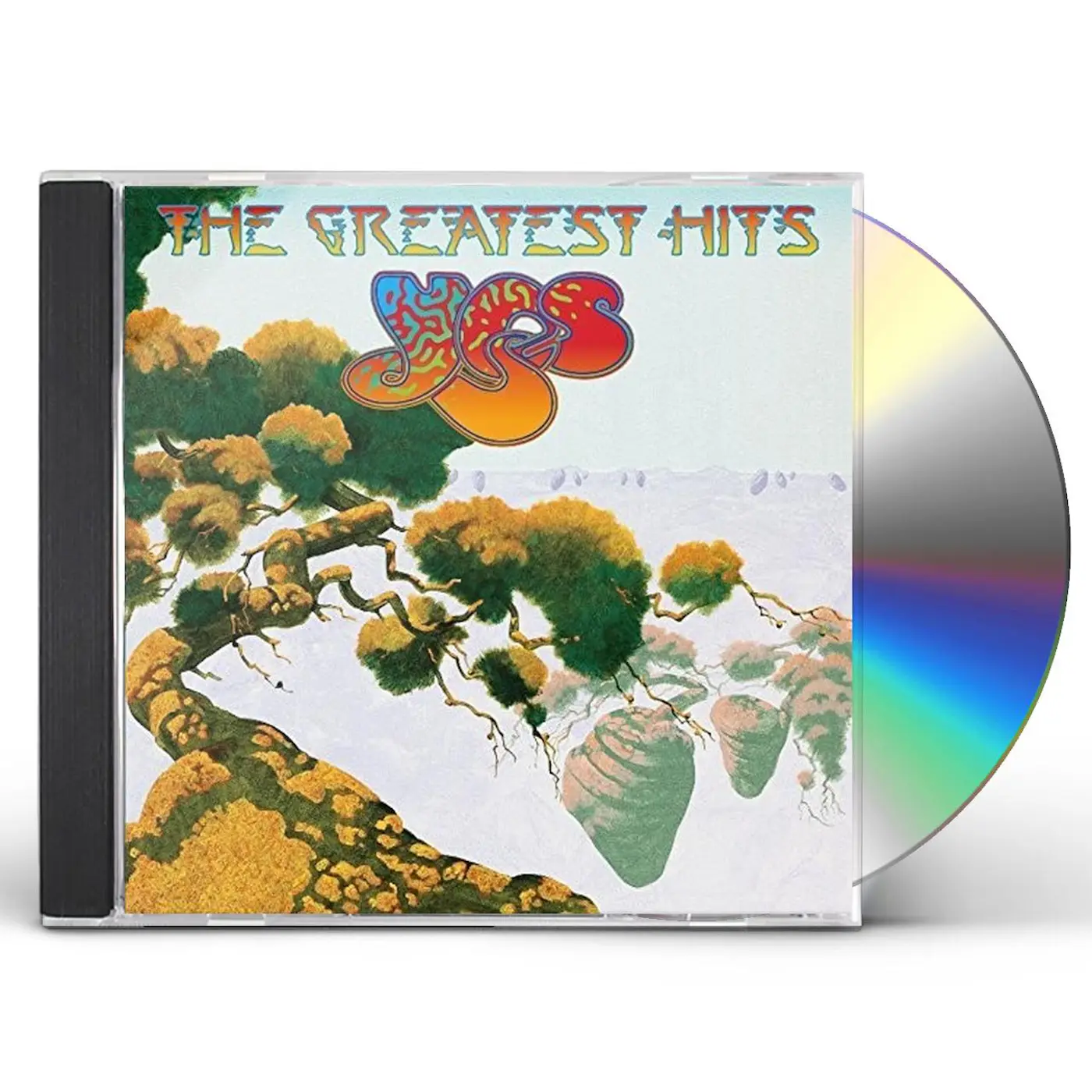
Prog rock is polarizing. People either love the twenty-minute synthesiser solos and lyrics about cosmic topography, or they find it completely unlistenable. But even the harshest critics usually find common ground when talking about Yes The Greatest Hits. It’s a weird concept, honestly. How do you take a band famous for side-long tracks and condense them into a "best of" package that actually makes sense to a casual listener?
You don't just "listen" to Yes. You survive it.
The 1970s were a wild time for musicians who wanted to prove they were smarter than everyone else. Yes was at the center of that storm. They weren't just writing songs; they were building sonic cathedrals. But if you’re looking for a way into their massive discography, the various "Greatest Hits" iterations—like The Very Best of Yes or the iconic Classic Yes—are basically the only way to avoid drowning in 19-minute movements about ancient oceans.
The Impossible Task of Editing Yes
How do you edit "Close to the Edge"? You really can't. That’s the struggle with any Yes The Greatest Hits compilation. When the band released Classic Yes in 1981, they had to grapple with the fact that their most famous work didn't fit on a standard 12-inch vinyl record if they wanted to include more than two songs.
Jon Anderson’s voice is an instrument of its own. High, ethereal, and often singing lyrics that sound like they were pulled from a dream diary. Most people recognize "Roundabout." It’s the definitive Yes track. That propulsive bass line from Chris Squire—played on a Rickenbacker 4001 with a pick to get 그 "clanky" sound—is arguably the most famous bass part in rock history. It’s the gateway drug.
But once you move past "Roundabout," things get complicated. A true "Greatest Hits" for this band has to bridge two entirely different eras. You have the 70s prog-rock titans who wore capes (looking at you, Rick Wakeman) and the 80s MTV stars who conquered the world with "Owner of a Lonely Heart."
The 80s Pivot and "Owner of a Lonely Heart"
Let’s talk about 1983. The band was basically dead. Then Trevor Rabin stepped in, teamed up with Chris Squire, and brought in producer Trevor Horn. The result was 90125. It didn't sound like Yes. It sounded like the future.
"Owner of a Lonely Heart" is a masterclass in production. That jarring orchestral hit? The sampled drums? It was a massive departure from the Mellotrons and Moogs of their earlier days. When you look at any modern Yes The Greatest Hits tracklist, this song sticks out like a sore thumb, yet it’s their only Number 1 hit in the US. It’s the reason the band survived into the 90s.
Some purists hate it. They think it’s too "pop." But honestly, the musicianship is still there. Rabin’s guitar solo on that track is weirdly processed and harmonized in a way that feels just as experimental as anything they did in 1972. It just happens to have a beat you can actually dance to.
Essential Tracks You'll Find on Most Collections
- "I've Seen All Good People": This is the ultimate "vibe" song. It starts as a folk harmony piece and turns into a boogie-rock jam. It’s the song that proves Yes could actually be fun at parties.
- "Long Distance Runaround": Short, snappy, and features a drum fill by Bill Bruford that still puzzles percussionists today. It leads perfectly into "The Fish," which is basically a Chris Squire bass solo disguised as a song.
- "Starship Trooper": If a hits collection leaves this out, it’s garbage. The "Würm" section at the end is a slow-build crescendo that defines the "space rock" aesthetic.
- "Heart of the Sunrise": This is where Bill Bruford and Chris Squire show why they were the best rhythm section in the world. It’s jagged, heavy, and then suddenly beautiful.
Why Chris Squire Was the Secret Weapon
Most people focus on the singers or the flamboyant keyboardists. But if you want to understand why Yes The Greatest Hits actually works as a cohesive listening experience, you have to listen to the bass. Chris Squire was the only member to appear on every single Yes album until his death in 2015.
He didn't play the bass like a rhythm instrument. He played it like a lead guitar. He used a bridge pickup and a specific wiring setup that gave him a trebly, aggressive tone. In "Yours Is No Disgrace," his bass isn't just holding down the low end; it's fighting with Steve Howe’s guitar for dominance. That tension is what makes the music exciting. Without Squire’s melodic sensibility, Yes would have just been another boring art-rock band.
The Steve Howe vs. Trevor Rabin Debate
Every fan has a preference. Steve Howe is the quintessential "Yes" guitarist. He plays jazz, classical, country, and rock, often in the same song. His work on "Mood for a Day" (usually included on live hits sets) shows a level of technical fingerpicking that most rock stars can't touch.
Then there’s Trevor Rabin. He saved the band commercially. He brought a cinematic, arena-rock energy. When you listen to a compilation like The Ultimate Yes, you see these two styles clashing. It’s fascinating. You go from the intricate, acoustic textures of "And You and I" to the high-gloss, distorted power chords of "Changes" or "Leave It."
Most bands would fall apart under that kind of identity crisis. Yes thrived on it. They changed members like people change clothes—Rick Wakeman alone left and rejoined about five different times.
How to Actually Listen to a Yes Compilation
Don't shuffle. Especially with Yes. Even on a "Greatest Hits" album, the flow matters. These songs were often designed to segue into one another.
If you’re a newcomer, start with the 1980s hits. They’re shorter and more accessible. "Changes" and "It Can Happen" are great examples of how they blended complex time signatures with catchy choruses. Once your ears are adjusted to the "Yes sound," then you can dive into the 70s epics.
The 2002 compilation The Very Best of Yes is generally considered the gold standard for digital listeners. It covers the Atlantic years and the 80s revival quite well. It also includes "Soon," which is actually the final section of the 22-minute "The Gates of Delirium." It’s a gorgeous, peaceful melody that shows the band’s softer side.
The Cultural Impact of the "Hits"
Yes didn't just influence other prog bands. You can hear their DNA in Rush, Dream Theater, and even modern groups like Tool or Tame Impala. Their "Greatest Hits" serve as a blueprint for how to be musically ambitious without losing the plot entirely.
The artwork is another huge factor. Roger Dean’s otherworldly landscapes became synonymous with the music. Seeing those bubble-letter logos and floating mountains on a Greatest Hits cover instantly tells you what kind of journey you're in for. It’s escapism in its purest form.
Common Misconceptions About Yes
A lot of people think Yes is "nerd music" with no soul. That’s a mistake. If you listen to "Wonderous Stories," there’s a genuine sense of joy and wonder that is hard to find in the cynical world of modern rock. They weren't just showing off their chops; they were trying to create something beautiful.
Another myth is that they couldn't write a short song. While they loved their long-form compositions, tracks like "Wonderous Stories" or "Going for the One" prove they could pack a lot of punch into a four-minute radio edit.
Actionable Steps for the New Yes Fan
If you're ready to dive into the world of Yes The Greatest Hits, here is how to do it properly without getting overwhelmed.
- Find the 9012Live or Yessongs versions. If a hits collection features live versions of "Roundabout" or "Starship Trooper," listen to those first. The band was often much more aggressive and energetic on stage than in the studio.
- Focus on the Bass. On your first listen through a compilation, try to isolate Chris Squire’s bass lines in your head. It will change how you perceive the rhythm of the songs.
- Check the Credits. Look at who is playing keyboards. If it's Rick Wakeman, expect classical flourishes. If it's Tony Kaye, expect a grittier, Hammond organ sound. If it's Geoff Downes, expect an 80s synth-pop influence.
- Listen on High-Quality Gear. This isn't background music for a phone speaker. Yes music is densely layered. Use a decent pair of headphones to hear the vocal harmonies and the subtle percussion work from Alan White or Bill Bruford.
- Watch the Yessongs Film. If you find a song on a hits album that you really like, go find the live footage of them performing it in the early 70s. Seeing the scale of what they were doing helps the music click.
Yes is a journey. Their "Greatest Hits" isn't just a list of songs; it’s a map of a band that refused to stay in one place. Whether you’re here for the capes and the 20-minute organ solos or the sleek 80s pop, there’s something in this catalog that will eventually grab you. Just give it time to breathe.



