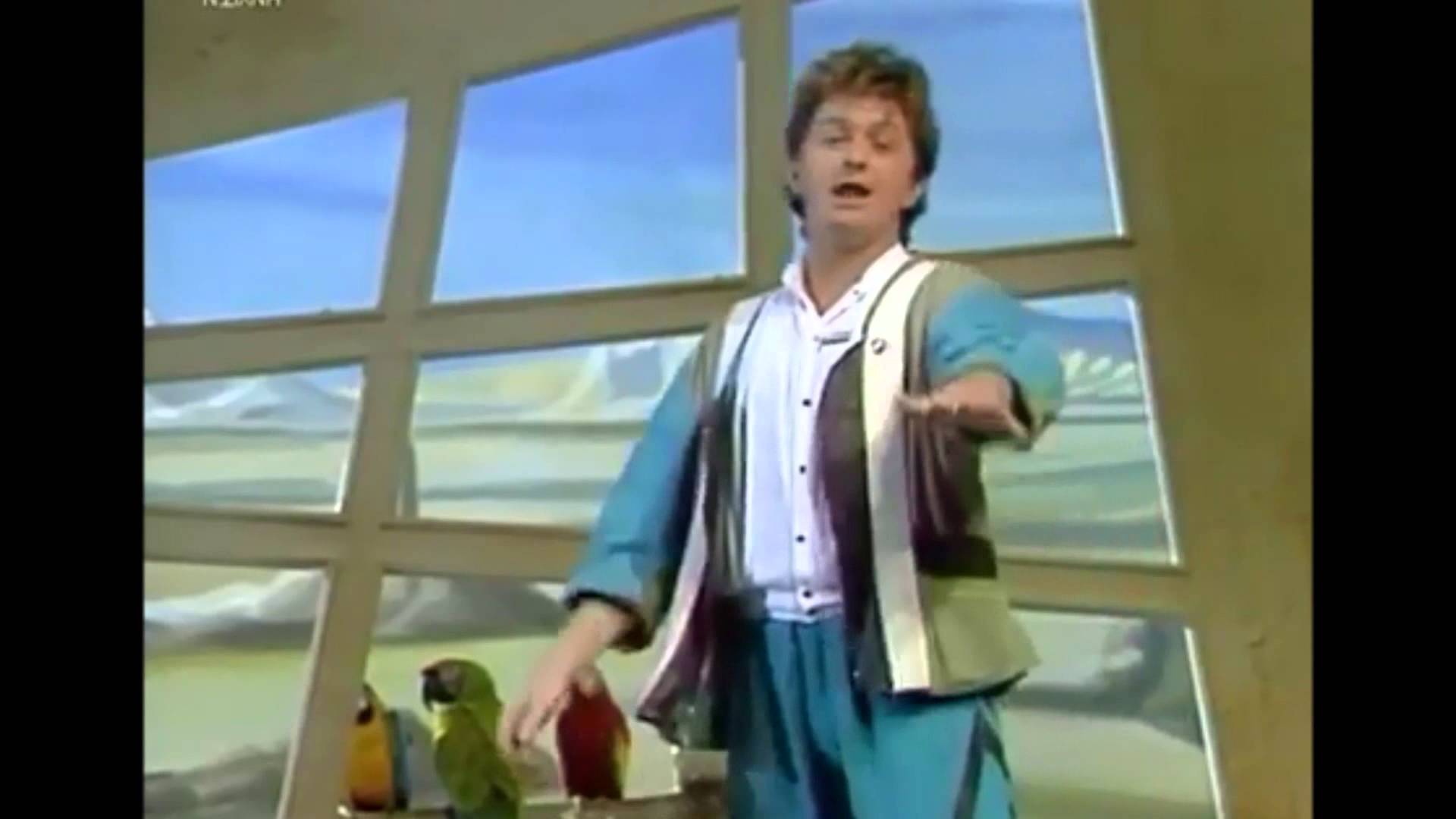
It shouldn't have worked. Seriously. By 1983, the legendary progressive rock band Yes was basically a dinosaur waiting for the tar pit. They were known for twenty-minute songs about celestial topography and capes. Rick Wakeman's glittering capes, to be specific. Then, out of nowhere, Yes Owner of a Lonely Heart dropped, and suddenly the guys who sang about "Siberian Khatru" were the kings of MTV. It’s one of the most improbable pivots in music history.
If you ask a die-hard prog fan about this track, they might cringe. Or they might admit, late at night after a few drinks, that the snare drum sound is actually kind of incredible. It was a massive culture shock. You had Trevor Horn—the "Man Who Invented the Eighties"—taking a defunct band and a scrappy South African guitarist named Trevor Rabin and smashing them together into a high-tech pop machine.
The Song That Almost Didn't Happen
Actually, the song wasn't even meant for Yes. Trevor Rabin had moved to Los Angeles and was shop-worn, trying to get a solo deal. He had a demo of "Owner of a Lonely Heart" that sounded more like a gritty hard rock track. Labels kept passing on him. They told him the song was too "quirky."
Imagine that.
While Rabin was struggling, the remaining members of Yes (Chris Squire and Alan White) were jamming under the name "Cinema." They needed a singer. They needed a hit. When they heard Rabin’s riffs, things started to click, but the real catalyst was the return of original vocalist Jon Anderson. He came in at the eleventh hour, changed some lyrics, and suddenly, the "Cinema" project became a Yes album titled 90125.
Why the Production Changed Everything
Trevor Horn is the unsung hero—or villain, depending on your stance on synthesizers—of this era. He used the Fairlight CMI, an early digital sampler, to create those jarring "orchestra hits" you hear throughout the track. At the time, those sounds were revolutionary. Now, they're the definition of 1980s nostalgia.
Horn spent months obsessing over the drum sound. He wanted it to punch through the radio. It did. When that first distorted guitar riff kicks in, followed by the "bang!" of the sampled noise, it signaled the end of the 1970s. It was cold, precise, and wildly catchy.
Breaking Down the Lyrics and the "Lonely Heart"
People always debate what the song is actually about. Jon Anderson's contributions added a layer of mysticism to Rabin's more straightforward rock lyrics. "Move yourself / You always live your life / Never thinking of the future." It’s sort of a self-help anthem wrapped in a neon jacket.
It tells you it’s better to be a "lonely heart" than a "broken heart." There is a weird kind of empowerment there. It’s about independence. Or maybe it’s just about how hard it is to maintain a relationship when you're a rock star in 1983. Honestly, with Yes, the lyrics were often secondary to the "vibe," and the vibe of Yes Owner of a Lonely Heart was pure, unadulterated confidence.
The Music Video and the MTV Effect
You can't talk about this song without mentioning the video. It was weird. It featured the band members turning into animals—snakes, lizards, birds. It was directed by Storm Thorgerson, the guy who did all the iconic Pink Floyd album covers. It felt cinematic and slightly disturbing.
MTV played it constantly. For a generation of kids, this was Yes. They didn't know about the triple-gatefold vinyl of Tales from Topographic Oceans. They just knew the guy with the mullet and the cool guitar.
The Backlash from the "Prog" Purists
The "old" fans hated it. They felt betrayed. To them, Yes was a band that explored the outer reaches of musical theory, not a band that made four-minute singles for the dance floor. But here is the thing: 90125 saved the band. Without the success of "Owner of a Lonely Heart," Yes probably would have faded into the "where are they now" bin of history.
Instead, they became one of the few 70s acts to successfully navigate the transition to the digital age. They weren't just surviving; they were winning. The song hit Number One on the Billboard Hot 100 on January 21, 1984. It remains their only chart-topper.
Technical Mastery in a Pop Package
If you listen closely to the solo, it’s actually insane. Trevor Rabin used a Harmonizer to create a weird, shifting pitch effect that makes the guitar sound like it’s screaming from another dimension. It’s not a standard blues-rock solo. It’s technical, jagged, and perfectly fits the "new wave" aesthetic.
The bassline by Chris Squire is also deceptively simple. Squire was a lead bassist—he usually played a Rickenbacker with tons of treble. On this track, he pulls back. He plays for the song. That kind of restraint is what separates the pros from the amateurs.
What We Can Learn from the 90125 Era
The success of Yes Owner of a Lonely Heart teaches us a lot about rebranding. It wasn't just a name change; it was a total overhaul of their philosophy. They embraced technology instead of fearing it.
- Adaptability is key. If you stay the same forever, you die.
- Collaboration matters. Putting a pop producer (Horn) with a rock guitarist (Rabin) and a prog singer (Anderson) created a chemical reaction that none of them could have achieved alone.
- Production is a tool. The Fairlight CMI wasn't a gimmick; it was an instrument that defined a decade.
How to Appreciate the Song Today
If you want to dive deeper into this specific moment in music history, don't just stop at the radio edit. Look for the "Twelve-inch Version." It’s a masterclass in 80s remixing, stretching out those sampled hits and giving the groove more room to breathe.
Also, check out Trevor Rabin’s original demo. You can find it on his 90124 archival album. Hearing how a raw, almost "Rolling Stones-esque" rock riff turned into a polished, synth-heavy masterpiece is a fascinating look at the creative process.
Actionable Next Steps for Music Lovers
- Listen to the full 90125 album. It’s surprisingly cohesive. Tracks like "Changes" and "Leave It" use the same high-gloss production to great effect.
- Compare the eras. Listen to "Close to the Edge" (1972) and then "Owner of a Lonely Heart" (1983) back-to-back. It’s the same band name, but a completely different universe.
- Watch the "Owner of a Lonely Heart" music video on a high-quality screen. Look for the surrealist influences—it’s a time capsule of 1980s art school energy.
- Try to isolate the bass. If you have good headphones, listen to Chris Squire's tone. Even in a pop setting, his "growl" is present if you know where to look.
The story of this song is really a story of survival. It’s about a band that refused to become a museum piece. They took a risk, changed their sound, and ended up with a classic that still gets played at every wedding and grocery store forty years later. That’s not selling out. That’s winning.
Practical Insight: When exploring the discography of 70s bands that survived the 80s (like Genesis or Yes), always look for the producer credits. Often, the "shift" in sound wasn't the band's idea alone, but the result of a producer like Trevor Horn or Hugh Padgham pushing them toward modern equipment. Understanding the tech—like the Fairlight CMI or the LinnDrum—is the secret to understanding why 80s music sounds the way it does.



