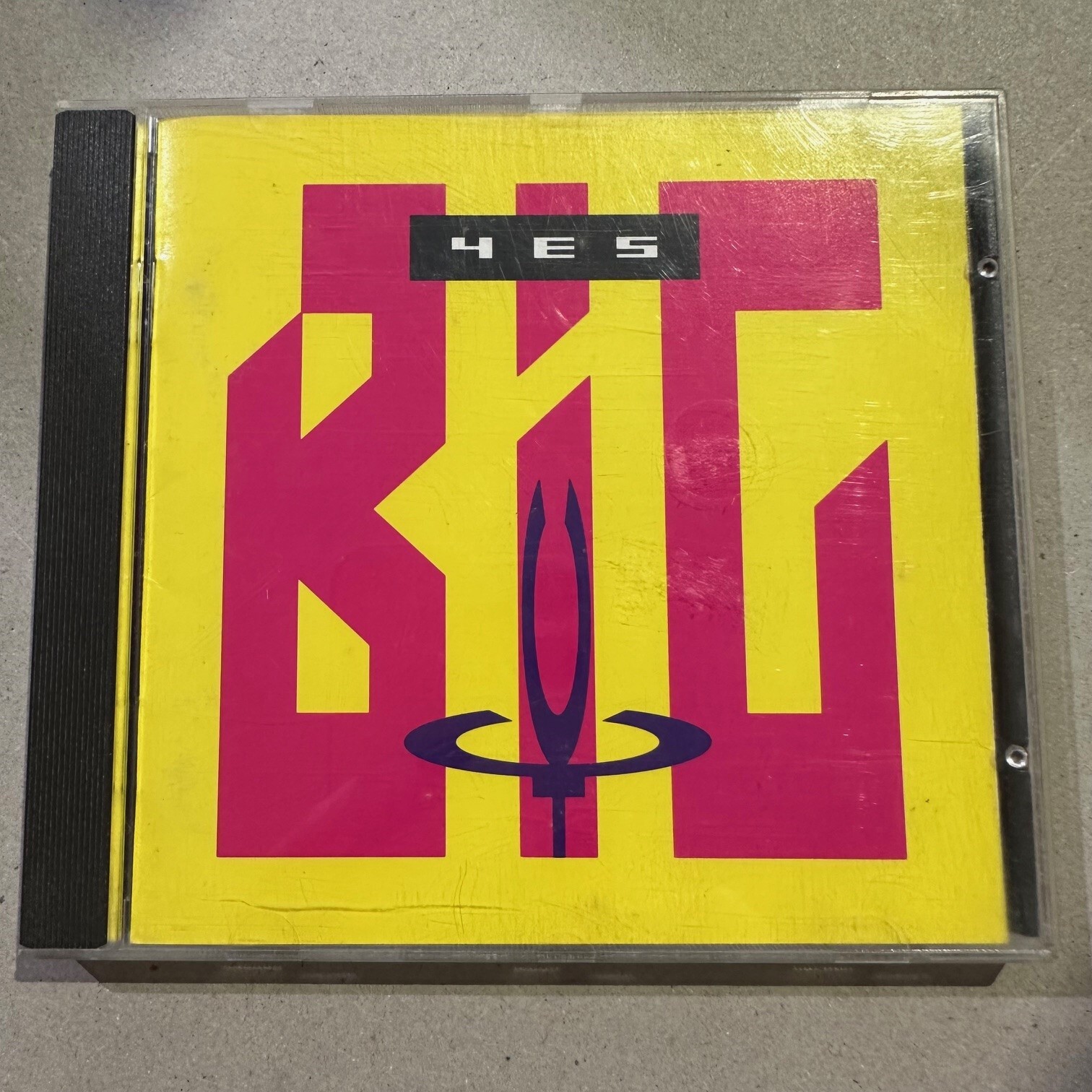
Progressive rock is weird. You've got these massive, sprawling bands that change lineups like they're changing socks, and Yes is the poster child for that kind of chaos. If you're looking for the Yes Big Generator CD, you aren't just looking for a piece of plastic; you're looking at a pivotal moment where a 70s prog giant tried to survive the neon-soaked synth-pop era of the late 80s. It worked. Mostly.
Honestly, the story of Big Generator is kind of a mess. It’s the 1987 follow-up to the massive success of 90125, the album that gave us "Owner of a Lonely Heart." But where 90125 felt like a fresh start, Big Generator felt like a fight. It took two years to record. It moved through multiple studios across the globe. By the time it hit the shelves, the band was practically exhausted.
What You’re Actually Buying: The Yes Big Generator CD Variations
When you hunt for the Yes Big Generator CD today, you'll find a few different versions. You need to know which one is worth your money.
The original 1987 Atco release (catalog number 7 90522-2) is the one most people remember. It sounds very "of its time." It’s thin, bright, and punchy. Trevor Rabin’s guitar work is front and center. However, if you're an audiophile, you've probably heard about the Japanese SHM-CD versions or the various remasters. The 2009 Japanese reissue is often cited by collectors as having a bit more "air" in the mix, though some purists still swear by the original West German pressings.
Why does it matter? Because this album was a technical beast. They used the best tech 1987 had to offer, and sometimes modern remasters squash that dynamic range. You lose the "big" in Big Generator.
The Trevor Rabin Factor
You can't talk about this CD without talking about Trevor Rabin. He basically rebuilt Yes in his own image during the 80s. Jon Anderson was back on vocals, sure, but the sonic architecture was Rabin's. It’s heavy. It’s got these massive, gated-reverb drum sounds from Alan White that could wake the neighbors three houses down.
"Rhythm of Love" is the standout for most. It's a straight-up pop-rock song. It’s got that slick, polished sheen that defined the era. But then you hit tracks like "Shoot High Aim Low," and you realize the prog roots haven't totally withered away. It’s moody. It’s atmospheric. It’s probably the best song on the album that nobody talks about outside of the hardcore fanbase.
The Drama Behind the Disc
Making this album was a nightmare. That’s not an exaggeration.
Recording started in Italy, moved to London, and eventually finished in Los Angeles. The tension between the "old guard" (Chris Squire and Jon Anderson) and the "new direction" (Rabin) was palpable. Trevor Horn, who produced 90125, actually walked away from this project because the creative differences were too much. He’s quoted in various Yes biographies as saying the process was agonizing.
When you listen to the Yes Big Generator CD, you can hear that friction. It’s a dense album. There are layers upon layers of Fairlight CMI samples and Synclavier work. It sounds like a band trying to outrun their own legacy while simultaneously trying to be the biggest pop stars on the planet.
Why Collectors Still Chase This CD
Is it the best Yes album? No. Most people give that crown to Close to the Edge or Fragile. But Big Generator is fascinating because it represents the end of an era. Shortly after this, the "90125" lineup fractured, leading to the massive Union tour where two different versions of the band basically merged into an eight-man mega-group.
Collectors look for specific pressings of the Yes Big Generator CD for a few reasons:
- The Artwork: Roger Dean didn't do this one. The cover is a clean, graphic design that fits the 80s aesthetic perfectly. On the CD case, that vibrant yellow and blue really pops.
- The Mix: As mentioned, the 1987 digital mix is a time capsule.
- The Bonus Tracks: Some later reissues (like the Rhino expanded versions) include "Love Will Find a Way" in various edits, though most fans prefer the lean, original tracklist.
"Love Will Find a Way" is actually an interesting bit of trivia. Rabin originally wrote it for Stevie Nicks. Can you imagine? Instead, it became a Top 40 hit for Yes. It’s got a bit of a Fleetwood Mac vibe if you listen closely to the acoustic strumming.
Technical Specs for the Nerds
If you’re digging through bins at a record store, look for the disc's matrix code. The early Atlantic/Atco pressings made in the USA or West Germany are generally considered the "standard."
The dynamic range (DR) scores for this album are actually quite high compared to modern releases. We're talking DR12 or DR13. Compare that to a modern pop CD which might sit at a DR5. This means the quiet parts are actually quiet and the loud parts have room to breathe. When the title track "Big Generator" kicks in with those mechanical, grinding sounds, it should feel physical. If it feels flat, you’ve got a bad remaster.
Is It Worth It?
Honestly, yeah.
If you like 80s production—think Peter Gabriel's So or Genesis's Invisible Touch—you’ll find a lot to love here. It’s an album that rewards high-end headphones. The vocal harmonies between Anderson, Squire, and Rabin are incredibly tight. They spent months, literally months, just getting the "shoo-be-doo-wop" backing vocals right on "Rhythm of Love." That’s the kind of obsessive detail that makes a CD worth owning.
It’s easy to dismiss this era of Yes as "Prog-Lite," but that’s a mistake. The musicianship is still top-tier. Tony Kaye’s keyboard textures are subtle but effective, and Chris Squire’s Rickenbacker bass is, as always, a lead instrument in its own right.
How to Source a Quality Copy
Don't just grab the first one you see on a massive retail site. Those are often the most recent, heavily compressed remasters.
Instead, hit up Discogs or eBay. Search for "Yes Big Generator CD" and look for the 1987 Atco release. If you can find a "Longbox" version (the tall cardboard boxes CDs used to come in), you’ve found a holy grail of 80s packaging. They are rare and usually expensive because most people threw the boxes away in the 80s.
Also, keep an eye out for the "Target" CD designs—these have a specific colorful crosshair pattern on the disc itself. They are highly collectible and often represent the earliest, most faithful digital transfers of the master tapes.
Essential Listening Steps
To truly appreciate what this album was trying to do, follow this path:
- Find a quiet room. This isn't background music for a party.
- Start with "Shoot High Aim Low." It’s the bridge between the 70s and 80s. It has the scale of a prog epic but the polish of a film score.
- Crank the volume for the title track. "Big Generator" is weird. It’s got these industrial noises and a strange, angular riff. It’s Yes trying to be "Art-Rock" in a decade that preferred "Glam-Rock."
- Listen for the bass. Chris Squire was a god of the bass guitar. Even on a pop-leaning record like this, his lines are complex and aggressive. On a good CD player, you can hear the "clack" of his strings against the frets.
The Yes Big Generator CD remains a polarizing chapter in the band's history, but it's an essential one. It shows a band refusing to die. They didn't want to play the state fair circuit as a "heritage act." They wanted to be on the radio. They wanted to be modern. And for a brief window in 1987, they were.
Check your local used bins. Look for that yellow and blue spine. Even if you're a die-hard Tales from Topographic Oceans fan, give this one a fair shake. It’s a masterclass in production and a testament to the band's sheer will to evolve.
Grab an original Atco pressing if you can find it. The lack of modern "loudness war" mastering makes the intricate vocal layers stand out much more clearly. Inspect the disc for "bronzing" or pinholes—common issues with older CDs—but generally, these discs were built to last. Once you have it, pay close attention to the transition between "Almost Like Love" and "Love Will Find a Way." It’s a perfect example of how the band balanced their experimental urges with their newfound knack for a hook. It's not just a CD; it's the sound of a band fighting to stay relevant, and winning.



