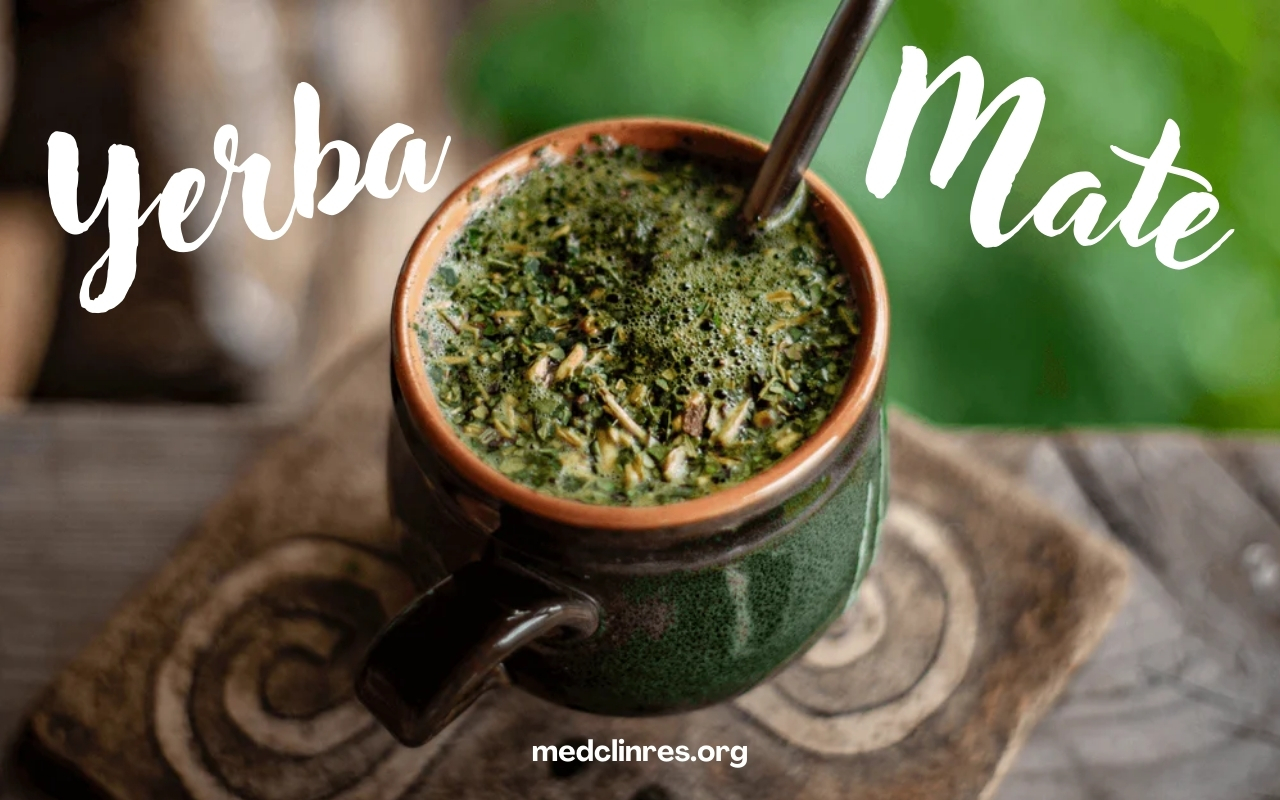
You’ve probably seen the wooden gourds and metal straws on Instagram. Maybe you saw a professional soccer player like Lionel Messi clutching one before a match. It looks like a ritual. It is. But beyond the aesthetics, there’s a massive amount of science tucked into those bitter, green leaves. Yerba mate nutritional benefits aren't just marketing fluff; they are the reason this plant has been the "drink of the gods" for centuries in South America.
Honestly, it’s a bit of a nutritional freak of nature.
Most people drink it for the buzz. It has caffeine, sure. But it’s not the jittery, heart-palpitation mess you get from downing three espressos. It’s smoother. The secret lies in the chemical cocktail of caffeine, theobromine, and theophylline. While caffeine wakes up your brain, theobromine—the same stuff found in dark chocolate—actually relaxes your blood vessels. You get sharp focus without the "crack-like" anxiety.
Let's get into the weeds of what is actually inside this stuff.
The Antioxidant Powerhouse Nobody Mentions
If you think green tea is the king of antioxidants, you've been lied to. Yerba mate actually has a higher antioxidant capacity than green tea. We’re talking about polyphenols. These are the microscopic soldiers that fight oxidative stress and inflammation in your body.
A study published in the Journal of Food Science pointed out that yerba mate contains roughly 90% more antioxidants than green tea. That’s a staggering difference. It’s loaded with derivatives like caffeoylquinic acids. These aren't just fancy words for a chemistry quiz; they are potent anti-inflammatory agents. If you're constantly feeling sluggish or dealing with joint pain, the yerba mate nutritional benefits might actually offer some genuine relief by lowering systemic inflammation.
It also packs saponins. These are bitter compounds that have been shown to have anti-inflammatory and cholesterol-lowering properties. Saponins are like nature’s soap for your insides. They help stimulate the immune system and might even protect against certain types of infections.
Vitamins and Minerals You Actually Need
We often ignore the micronutrients in tea. We shouldn't. Yerba mate isn't just flavored water. It contains a surprising spectrum of essentials:
- Vitamin C and E: Great for skin and immunity.
- B-Vitamins: Specifically B1 (thiamine) and B6, which are crucial for turning food into energy.
- Minerals: You’re getting potassium, magnesium, and manganese.
Most people are chronically low on magnesium. Drinking mate throughout the day is a low-key way to supplement that mineral without popping a pill. It’s a whole-food source of nutrition that your body recognizes and absorbs way more efficiently than a synthetic multivitamin.
What Yerba Mate Nutritional Benefits Do For Your Metabolism
This is where things get interesting for the "biohacker" crowd.
There is real evidence that yerba mate helps with weight management. It’s not a magic potion—you can’t eat a pizza and expect the tea to burn it off—but it does influence how your body uses fuel. Specifically, it seems to increase the rate at which your body burns stored fat for energy during exercise.
A 2014 study published in Nutrition & Metabolism found that participants who took 1 gram of ground yerba mate leaves before moderate-intensity exercise burned 24% more fat than those who didn't. That is a massive metabolic shift. Essentially, the tea makes your body more "metabolically flexible," allowing you to tap into fat stores rather than just burning through your blood sugar.
It also delays the onset of lactic acid buildup. You know that burning sensation in your quads when you're running? Yerba mate helps push that threshold further back. This is why you see ultra-marathoners and elite athletes swearing by it. It's legal performance enhancement.
Blood Sugar and Heart Health
Yerba mate might be a secret weapon for those worried about Type 2 diabetes. It helps improve insulin sensitivity. By making your cells more responsive to insulin, your body doesn't have to pump out as much of the hormone to keep your blood sugar stable.
Regarding heart health, the news is equally solid. Regular consumption has been linked to lower LDL cholesterol levels—the "bad" kind. The caffeoylquinic acids and saponins work together to prevent cholesterol from oxidizing in your arteries. Think of it as a biological "drain cleaner" for your cardiovascular system.
The Mental Edge: It's Not Just Caffeine
Most people drink coffee and feel like they’re being shouted at by their own brain. Yerba mate is different.
The presence of theophylline and theobromine creates a synergistic effect. Theophylline is often used in asthma medications because it relaxes the smooth muscles in the lungs, helping you breathe better. When you combine that with the focus of caffeine, you get a state of "alert relaxation." It’s the flow state in a cup.
Researchers have noted that mate drinkers don't experience the "crash" typical of coffee or energy drinks. Because the leaves contain such a dense profile of minerals and antioxidants, the energy release is more sustained. You don't get that 3:00 PM slump where you feel like you need a nap and a donut just to survive the afternoon.
Addressing the "Risks" and Misconceptions
You can't talk about yerba mate nutritional benefits without addressing the elephant in the room: the cancer link.
For years, some studies suggested that drinking yerba mate was linked to esophageal cancer. This sounds terrifying. But here is the nuance: most of those studies focused on populations in South America who drink the tea at scalding, near-boiling temperatures (over 150°F).
Repeatedly burning the lining of your esophagus with any liquid—whether it's mate, coffee, or hot chocolate—increases the risk of cellular mutations.
Also, many traditional brands of mate are smoke-dried. This introduces polycyclic aromatic hydrocarbons (PAHs), which are known carcinogens. If you want the benefits without the risk, look for unsmoked yerba mate and drink it at a warm, not boiling, temperature. Basically, don't burn your mouth and buy the air-dried stuff. Problem solved.
How to Actually Get These Benefits
If you want to maximize the yerba mate nutritional benefits, how you prepare it matters.
- Don't use boiling water. Seriously. Boiling water scorches the leaves and makes the tea incredibly bitter. It also destroys some of the more delicate antioxidants. Aim for about 160°F to 175°F ($70^{\circ}C$ to $80^{\circ}C$).
- The traditional way is best. Using a gourd and bombilla allows you to use a high concentration of leaves. You keep refilling the water, which slowly extracts different nutrients with each pour. The first few pours are high in caffeine; the later ones are higher in minerals and antioxidants.
- Check your source. Look for organic, unsmoked leaves. Brands like Guayakí or EcoTeas are solid choices if you're in North America. If you want to go deeper, look for "Anna Park," which is aged and incredibly smooth.
Actionable Next Steps for the Mate Curious
If you’re ready to ditch the coffee jitters and lean into the nutritional powerhouse of mate, start here:
- Switch your morning cup: Replace your coffee with a large French press of unsmoked yerba mate for one week. Pay attention to how your focus feels around 2:00 PM.
- Pre-workout boost: Drink a cup 30 minutes before your next gym session or run. Notice if you can go a bit longer before that "heavy leg" feeling kicks in.
- Temperature check: If you're currently a mate drinker, invest in a cheap meat thermometer or a kettle with temperature control. Staying below 175°F is the single best thing you can do for your esophageal health and the tea's flavor.
- Cold brew it: If you hate the bitterness, try "terere." This is just yerba mate brewed with ice-cold water and maybe some citrus. It’s refreshing, and it still packs the same antioxidant punch.
Yerba mate is more than just a trend. It’s a complex, nutrient-dense plant that offers a unique combination of energy, metabolic support, and cellular protection. Stop thinking of it as just "another tea" and start treating it like a functional tool for your health.