You’ve probably seen the videos. A young guy with a mustache, looking more like a modern indie artist than a traditional tocaor, sitting with a guitar and making sounds that shouldn't technically make sense within the rigid laws of flamenco. That’s Yerai Cortés. If you are looking into la guitarra flamenca de Yerai Cortés, you aren't just looking for a technical manual. You’re looking for the reason why C. Tangana, Rosalía, and the pure traditionalists in Jerez are all staring at the same person.
He’s different.
Honestly, flamenco goes through these cycles where everything starts to sound the same—fast scales, predictable harmonies, lots of noise. Then someone like Yerai comes along. He doesn't just play fast. He plays "empty." He uses silence. He uses percussion on the body of the guitar that feels more like a heartbeat than a metronome. It’s raw.
What actually makes la guitarra flamenca de Yerai Cortés so unique?
To understand his playing, you have to look at where he comes from. Born in Alicante into a Gitano family, he didn't learn flamenco from a textbook or a high-end conservatory. He learned it at home. His father, Miguel Cortés, was his first teacher. This matters because it gives his playing a "habitual" feel. It’s not a performance; it’s a conversation.
Most people get wrong the idea that he’s just a "modernist." That’s a lazy label. If you listen closely to his thumb work—the alzapúa—it’s incredibly old-school. He has the weight of the old players like Sabicas or Niño Ricardo, but he wraps it in a harmonic language that feels like 2026. He isn't afraid of "ugly" sounds. Sometimes he pulls the strings so hard they buzz, or he leaves a note ringing just a second too long to create tension. It’s visceral.
The guitar itself is an extension of his physical presence. He often plays guitars that have a specific "percussive" quality—low action, snappy response. When he performs his show Guitarra Coral, he isn't just showing off his fingers. He’s directing a whole ecosystem of sound. He uses the voices of six women as if they were strings on his own instrument. It’s a conceptual leap that many traditionalists find jarring, yet they can't look away because the "soniquete" (the swing) is undeniably there.
The C. Tangana Effect and the "Tiny Desk" Moment
We have to talk about El Madrileño. When C. Tangana decided to pivot from urban music to a sophisticated blend of Spanish roots, he didn't call a session musician. He called Yerai.
The NPR Tiny Desk concert was a turning point. You see Yerai sitting there, casually ripping through complex falsetas while people are drinking wine and clapping around a table. That performance did more for the visibility of la guitarra flamenca de Yerai Cortés than ten years of solo recitals could have. It showed the world that flamenco guitar isn't a museum piece. It’s alive. It’s cool. It fits in a room with a trap star and a veteran rumbero like Kiko Veneno.
But here’s the thing: Yerai didn't "sell out" for the pop world. He actually brought the pop world into his territory. If you listen to his solo tracks, like those in his debut album Guitarra Coral, produced by Antón Álvarez (C. Tangana), it’s not pop. It’s dense, experimental flamenco. He’s using his newfound fame to smuggle high-art guitar playing into the mainstream.
Technical quirks: It’s not just about speed
If you’re a guitarist trying to figure out his style, you’re going to struggle if you only focus on your metronome. Yerai’s "secret sauce" is his phrasing. He "breathes" with the guitar.
- The Rest Stroke: He uses a very aggressive apoyando (rest stroke) that gives his melodies a vocal quality.
- The Silence: He is a master of the "stop." In flamenco, the space between the notes is where the duende lives. Yerai knows exactly when to stop playing to let the tension build.
- Harmonic Sophisticage: He pulls chords from jazz and neo-soul but anchors them with a traditional flamenco bass line.
People often ask what kind of guitar he uses. He’s been seen with instruments from some of the best luthiers in Spain, but the brand matters less than the setup. To get that Yerai sound, the guitar needs to be "brava"—brave. It needs to fight back a little. It’s not about a clean, polished classical sound. It’s about that woody, dry "crackle" that defines the Alicante and Madrid flamenco scenes.
Why he represents a "New Tradition"
There is a lot of gatekeeping in flamenco. Some people think if you aren't wearing a suit and playing a specific set of 19th-century variations, you aren't playing "real" flamenco. Yerai ignores all of that. He wears what he wants, he collaborates with whoever he wants, but he keeps the compás (the rhythmic cycle) sacred.
He’s part of a generation—alongside artists like Israel Galván in dance or Rocío Márquez in singing—that treats flamenco as a living language. If a language doesn't add new words, it dies. Yerai is adding new words to the vocabulary of the guitar.
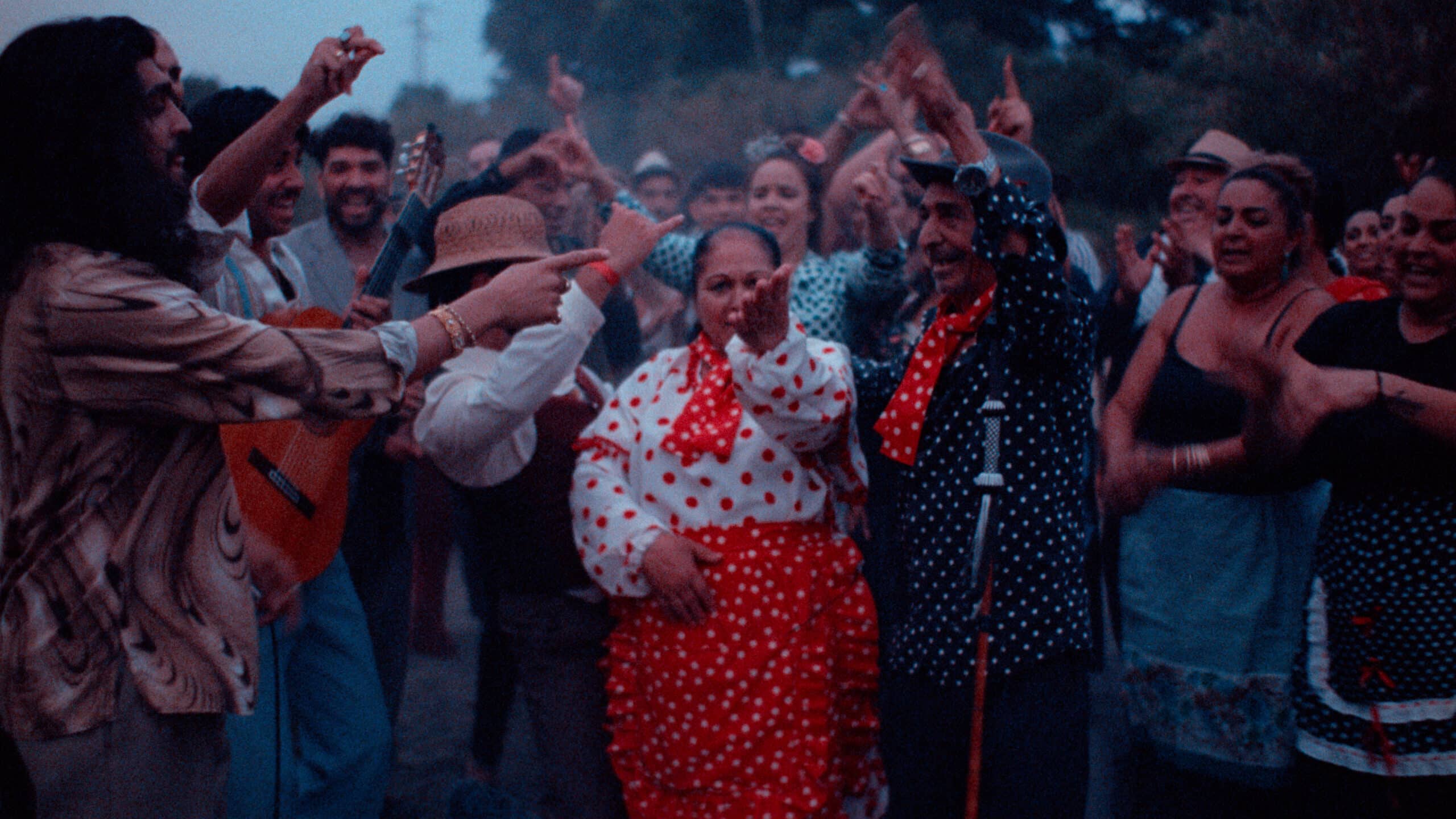
His recent film project with Antón Álvarez, which premiered at the San Sebastián Film Festival, dives into his family history and his relationship with the instrument. It’s not a concert film. It’s a narrative about secrets, grief, and how those emotions are channeled through six strings. This is why la guitarra flamenca de Yerai Cortés feels so heavy—it’s carrying a lot of personal baggage. When he plays a Soleá, you aren't just hearing a style; you're hearing a biography.
Practical steps for the flamenco enthusiast
If you want to truly appreciate what’s happening here, don't just listen to the hits.
- Watch the Guitarra Coral live sessions. Notice how he interacts with the singers. He doesn't just accompany them; he weaves around them.
- Analyze his thumb technique. Look for videos where he plays Bulerías. His thumb is like a hammer, yet he maintains a lightness that is incredibly hard to mimic.
- Listen to his influences. Look up Manuel Parrilla or Moraito Chico. You’ll hear where he gets his "swing," and then you’ll see how he’s twisted it into something new.
- Follow the labels and festivals. Keep an eye on the Suma Flamenca festival in Madrid or the Bienal de Flamenco in Seville. This is where Yerai is currently setting the bar for everyone else.
The reality is that Yerai Cortés has become a bridge. He’s the bridge between the old legends who are slowly leaving us and a new generation that might have never listened to flamenco if it weren't for him. He’s made the guitar emotional again, moving away from the "gymnastics" that dominated the 2000s.
Stop looking for the fastest player in the room and start looking for the one who makes you feel something with a single note. Right now, that’s Yerai. Whether he’s playing for a fashion show in Paris or a small peña in a dusty corner of Spain, the intensity is the same. The guitar doesn't lie, and Yerai is telling a very honest story.
To get the most out of this new wave, start by listening to the album Guitarra Coral from beginning to end, without distractions. Pay attention to the "pitos" (finger snapping) and how they function as a lead instrument alongside the guitar. Then, go back and listen to Paco de Lucía’s Siroco. You’ll see the lineage. You’ll see that Yerai isn't breaking the chain; he’s just the strongest new link we’ve seen in a long time.



