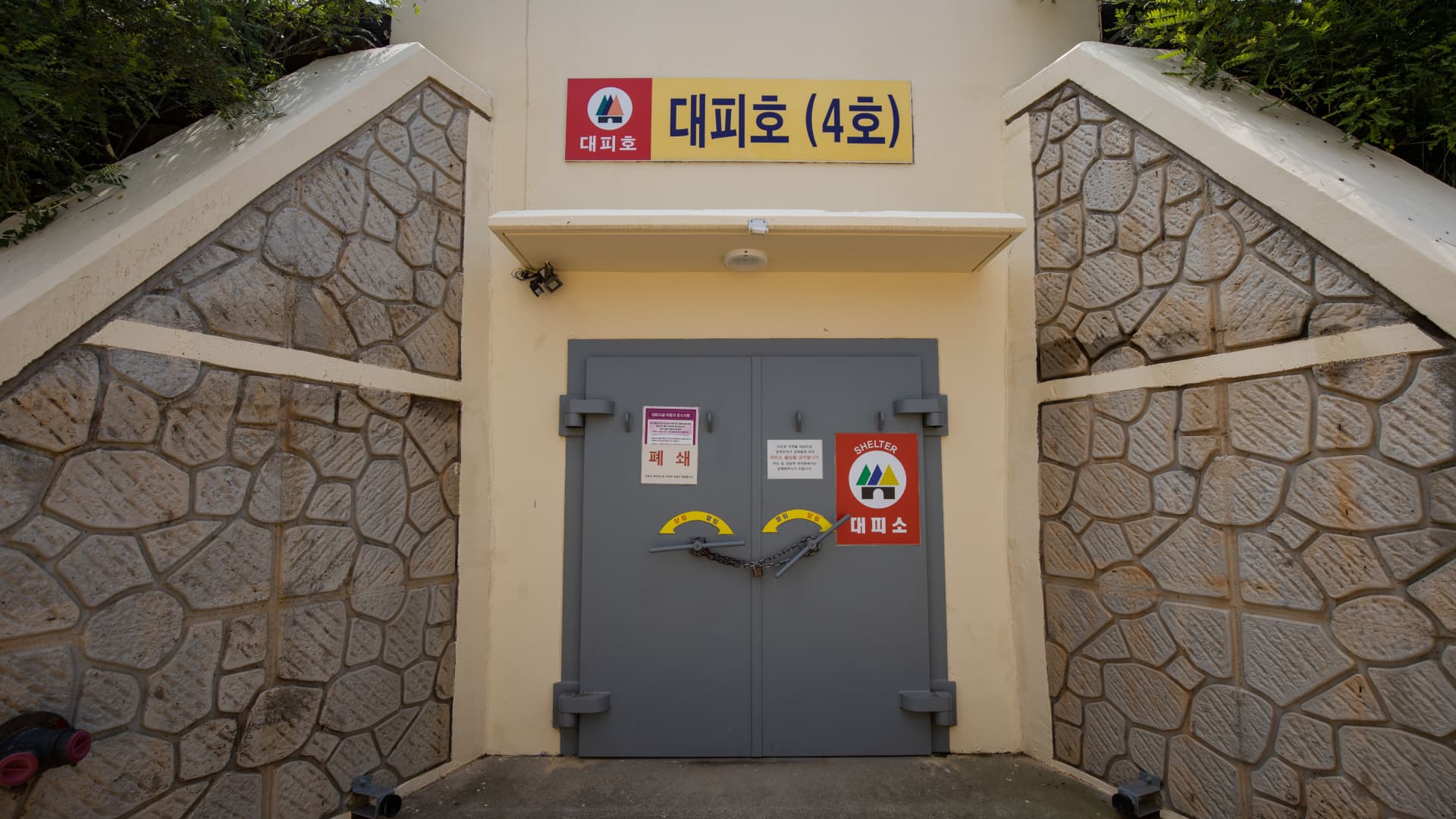
If you look at a map of the Yellow Sea, you’ll see a tiny speck of land that looks like it’s practically hugging the North Korean coast. That’s Yeonpyeong Island. Honestly, it's one of the weirdest places you’ve ever visited. You are technically in South Korea, but you can see North Korean farmers walking through fields with your naked eyes. It’s a place where the crabs are world-class and the bunkers are just part of the backyard.
Most people only know this name because of the 2010 bombardment. It was a Tuesday afternoon in November when North Korea fired about 170 shells at the island. It was the first time since the 1953 armistice that a civilian area was directly hit. Two soldiers died. Two civilians died. The world held its breath, thinking a full-scale war was starting. But today? It’s a quiet fishing community that gets surprisingly few tourists, despite being a place where history feels like it’s still breathing down your neck.
Why Yeonpyeong Island is More Than a Warzone
You’ve probably heard it called a "flashpoint." That’s a fancy word journalists use for "places where people might start shooting." But for the 2,000 or so residents, it’s just home. Life here revolves around the sea. Specifically, blue crabs. If you eat crab in Seoul, there’s a massive chance it came from the waters around Yeonpyeong. The irony is thick here; the same waters that cause military standoffs because of the disputed Northern Limit Line (NLL) are the same ones that provide the island's primary income.
The island is actually two islands: Daeyeonpyeong (the big one) and Soyeonpyeong (the little one). Most people head to the big one. It's rugged. It's windy. The coast is lined with barbed wire, and there are signs everywhere warning you not to touch strange metallic objects. Still, there’s a strange, haunting beauty to it.
The 2010 Shelling: A Scored Memory
Walking through the village, you’ll find the Yeonpyeong Island Peace Park. It’s not a "fun" park. It’s a memorial. You can see the charred remains of houses left exactly as they were after the shells hit. It’s a visceral experience. You see a rusted bicycle, a shattered roof, a wall with shrapnel holes. It makes the news reports you saw years ago feel suddenly, terrifyingly real.
The South Korean government has pumped a lot of money into the island since then. They built massive, high-tech bunkers. These aren't just damp holes in the ground; they have kitchens, TVs, and enough supplies to last for days. Some of them are even decorated with murals to make them feel less like, well, a place you go to hide from artillery.
Getting There is Half the Battle
You can't just hop on a bus. To get to Yeonpyeong Island, you have to go to the Incheon Coastal Passenger Terminal. The ferry takes about two hours, but here’s the kicker: the weather is the boss. If the wind picks up or the fog rolls in, the ferry is canceled. Just like that. You’ve got to be flexible.
- Ferry Schedule: Usually, there are two boats a day (around 08:00 and 13:00 as of 2026).
- ID is Mandatory: You are entering a highly sensitive military zone. No ID, no boat. International travelers need their passports.
- Booking: It’s better to book online via the "Visit 5 Seohae Islands" project if you’re staying overnight. Sometimes they offer 50% discounts for stays longer than one night.
Once you land, don't expect a fleet of taxis. The island is small enough to walk if you’re fit, but most people rely on the few local minbaks (guesthouses) that offer pick-up services. Honestly, the best way to see the sights is to just start walking toward the north end of the island.
The Manghyang Observatory: Looking into the "Hermit Kingdom"
This is the spot. The Manghyang Observatory. From here, North Korea is only about 3 to 11 kilometers away. On a clear day, you can see the village of Pu-po in North Korea. There are binoculars set up, and it’s a surreal experience to watch people in a different world—a world you can’t visit—going about their morning.
There’s a deep sadness here, too. Many older residents on the island are "displaced people" or their descendants. They have family just a few miles away that they haven't seen in 70 years. The observatory isn't just a tourist trap; it's a place where people come to look at a home they can't return to.
Survival Skills for the Island
You won't find a Hilton here. Accommodation is mostly minbaks—basically staying in a local's spare room or a small, functional pension. It’s basic. You’ll probably sleep on a yo (a traditional floor mattress).
What to eat? Crab. Seriously. Get the Ganjang-gejang (raw crab marinated in soy sauce). It’s the local specialty and it’s incredible. There are a handful of small restaurants near the harbor like Yeondo Minbak & Restaurant that serve up whatever was caught that morning.
The Reality of Living on the NLL
In early 2026, tensions have been... weird. President Lee Jae-myung’s administration has been trying to keep things calm, but North Korea has been testing "supersonic" missiles and complaining about drones. You’ll see soldiers everywhere on the island. They are part of the landscape. They eat at the same restaurants as the fishermen.
The locals are incredibly resilient. They’ve seen it all. They don't panic when the news says North Korea is making threats. They just keep fixing their nets and preparing for the next crab season. There’s a lesson in that, I think.
Is it Safe to Visit?
Generally, yes. The South Korean military monitors the area 24/7 with some of the most advanced tech on the planet. If there’s even a hint of real trouble, the ferries stop running and the island goes into lockdown. As a visitor, you’re probably safer here than crossing a busy street in Seoul.
But you have to respect the rules. Don't take photos of military installations. Don't wander off marked paths near the coast—landmines from the war are still a legitimate concern in overgrown areas. Stick to the roads and the designated tourist spots.
Actionable Steps for Your Trip
If you're actually planning to head out there, do these three things:
- Check the Weather Twice: Use the Korea Meteorological Administration (KMA) app. If the sea state is "high," the ferry terminal will be a ghost town. Call the Incheon Port (032-880-7530) before you leave your hotel.
- Bring Cash and Snacks: While most places take cards now, some of the smaller guesthouses prefer cash. Also, while there are small stores, the selection isn't great. If you have a specific snack or brand you love, bring it from the mainland.
- Visit the Marine Park: Most people hit the Peace Park and the Observatory but skip the Marine Park (Yeonpyeong-ro). It has retired naval vessels you can actually walk on, which gives you a great perspective on the naval history of the Yellow Sea.
Yeonpyeong isn't a place you go to relax on a beach with a cocktail. It's a place you go to understand the cost of a "frozen" war. It’s raw, it’s quiet, and it’s one of the most honest places left in Korea.