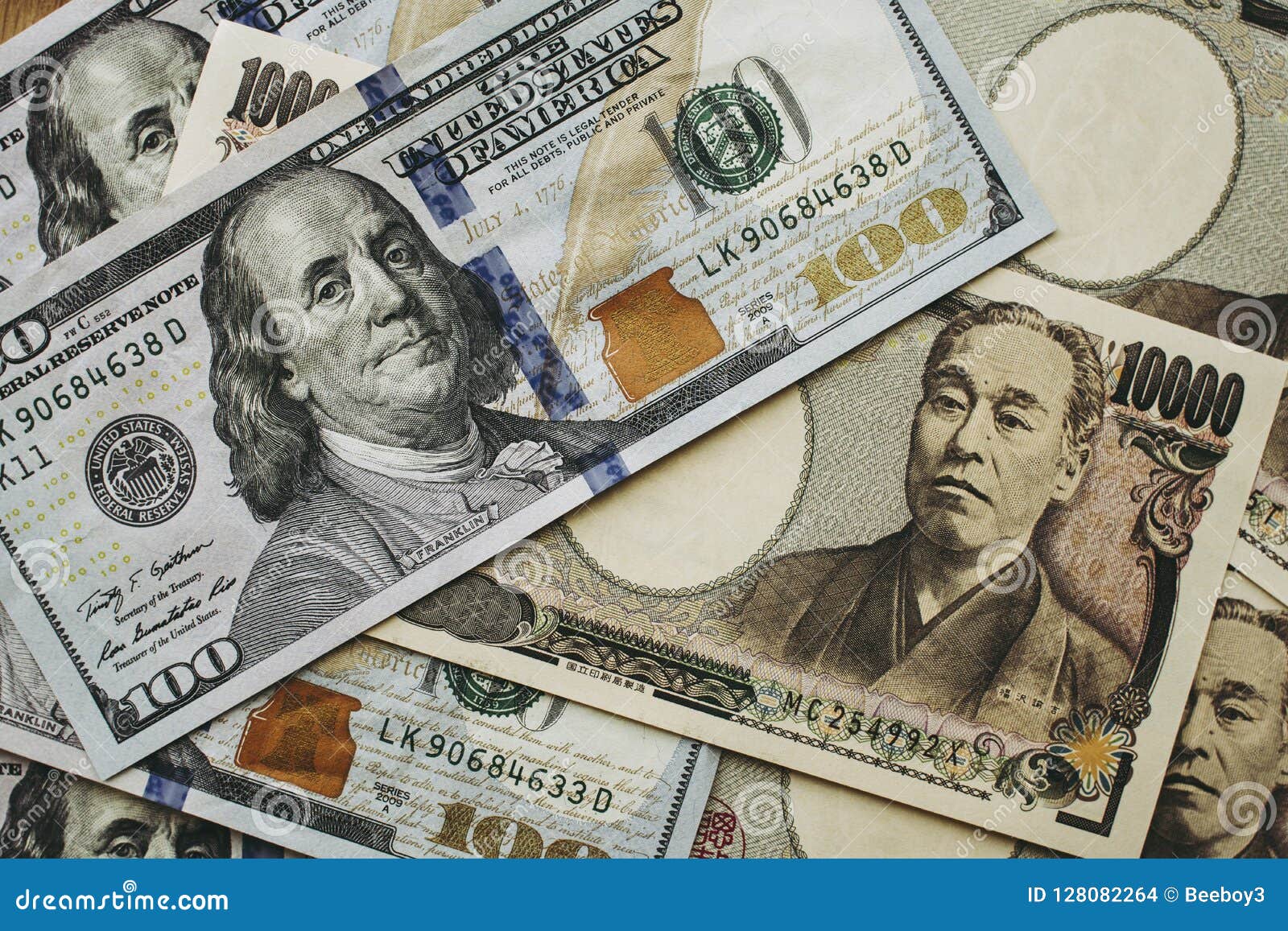
You've probably noticed that planning a trip to Tokyo or buying Japanese electronics feels totally different than it did a few years ago. If you’re asking what is the yen to the dollar today, you aren’t just looking for a number. You’re looking for why your money suddenly feels like it has superpowers in Japan—or why Japanese companies are frantically adjusting their price tags.
As of mid-January 2026, the rate is hovering around 158 yen for a single US dollar.
Think about that. It’s a massive shift from the days when 100 or 110 was the "normal" baseline. This isn't just a minor flicker on a trading screen. It's a seismic shift in global purchasing power.
Money is moving. Fast.
The Reality of 158: What Most People Get Wrong
A lot of people think a "weak" currency is always a sign of a failing economy. It's not that simple. Honestly, the yen being weak is a deliberate, if painful, side effect of two massive central banks pulling in opposite directions.
The US Federal Reserve has been keeping interest rates high to fight inflation. Meanwhile, the Bank of Japan (BoJ) spent years—literal decades—trying to keep rates at zero or even negative. When you can get 5% interest on a dollar and only 0.75% on a yen, where are you going to put your cash? Exactly.
Everyone sells yen to buy dollars. This drives the dollar up and the yen down.
- The Carry Trade: Investors borrow yen for cheap, swap it for dollars, and bank the difference.
- Import Costs: Japan has to pay way more for oil and food, which are priced in dollars.
- Tourism Boom: For Americans, Japan is basically "on sale." Luxury hotels that cost $500 a night are suddenly effectively $350.
Why the Yen to the Dollar Still Matters in 2026
We are at a turning point. In December 2025, the Bank of Japan did something it hadn't done in 30 years: it raised rates to 0.75%. That sounds tiny, right? But in the world of central banking, that’s a loud, aggressive shout.
It hasn't fixed everything yet. Even with that hike, the yen actually weakened further toward 160 in early January 2026. Why? Because the market didn't think the BoJ was moving fast enough.
The Takaichi Factor
Prime Minister Sanae Takaichi took office late last year. Her "Sanaenomics" policy is a wild card. She’s pushing for "Crisis Management Investment"—huge spending on defense and semiconductors. This kind of government spending usually means more inflation, which forces the BoJ to keep raising rates.
Some experts, like those at Morgan Stanley, think we might see the yen strengthen back to 140 later this year. Others aren't so sure. If the US Fed decides to hold rates steady because the American job market is still too hot, the gap between the two currencies stays wide.
The "gap" is the enemy of a strong yen.
What is the Yen to the Dollar Doing to Your Wallet?
If you're a traveler, this is the golden era. You can walk into a high-end sushi spot in Ginza and pay half of what you'd pay in New York for worse fish. But for the average person living in Osaka, it's a nightmare. Their wages are finally going up—unions are targeting 5% raises this year—but the cost of imported gas and bread is rising even faster.
- The Good: Unprecedented value for US tourists; record profits for Japanese exporters like Toyota.
- The Bad: High cost of living for Japanese residents; uncertainty for global supply chains.
- The Ugly: Massive volatility that makes it impossible for businesses to plan for the next six months.
Real Talk on the Future of JPY/USD
Don't expect a return to "the good old days" of 100 yen to the dollar anytime soon. Most analysts at firms like Goldman Sachs and Nomura are looking at a range of 140 to 155 for the rest of 2026.
The Bank of Japan is in a tight spot. If they raise rates too fast to save the yen, they might crash their own housing market. If they go too slow, the yen keeps sliding toward 170, and the public gets angry about the price of eggs.
It's a balancing act on a razor's edge.
Actionable Insights for 2026
If you are watching the exchange rate because you have a stake in it, here is the move.
- Lock in travel costs: If you're heading to Japan this summer, book your hotels now in yen if you can. The current rate is historically favorable.
- Watch the Shunto: Keep an eye on the Japanese spring wage negotiations in March. If wages jump more than 5%, the BoJ will almost certainly hike rates in July, which will make the yen more expensive (and the dollar weaker in comparison).
- Diversify: If you're an investor, don't bet solely on yen weakness lasting forever. The "carry trade" is crowded, and when it unwinds, it usually happens with a violent, sudden move.
The bottom line? The yen is currently cheap because of a math problem involving interest rates. As Japan slowly joins the rest of the world in raising those rates, that math is going to change. Keep your eyes on the 160 level—if it breaks that, the Japanese government will likely step in and physically buy yen to prop it up.