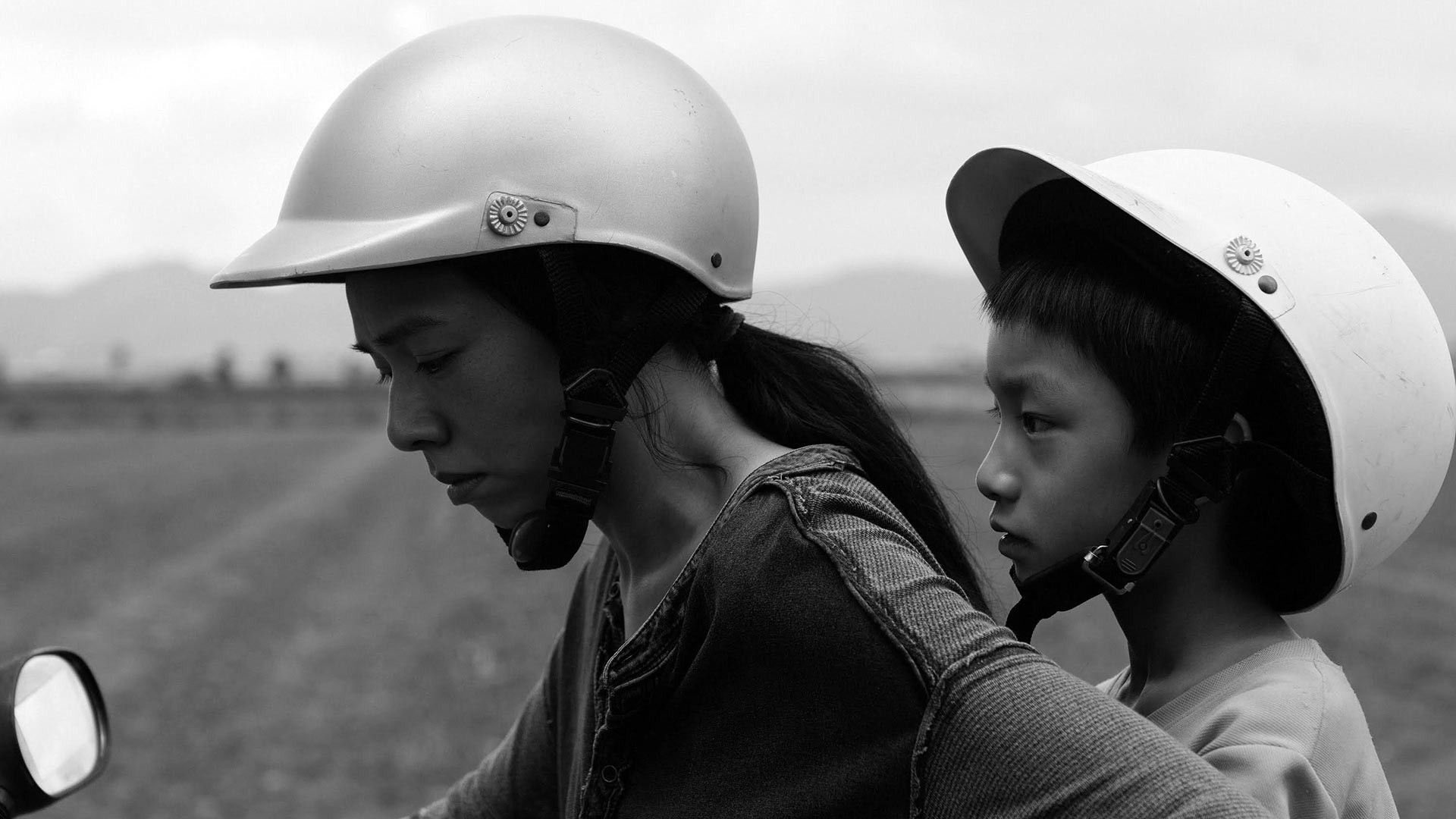
You’ve probably seen the posters or heard the buzz about Yen and Ai-Lee (小雁與吳愛麗) by now. It’s one of those rare movies that doesn’t just sit on the screen; it crawls into your chest and stays there. Directed by Tom Shu-yu Lin, this film swept through festivals like Busan and the Golden Horse Awards, leaving audiences in a weird state of collective silence.
The story is heavy. Honestly, it’s brutal.
Yen is a young woman who did the unthinkable. She killed her father. But it wasn't some random act of violence—she did it to protect her mother, Ai-Lee, from his relentless abuse. After eight long years in prison, Yen comes home to find that the world hasn’t exactly waited for her. Even worse? Her mother is still trapped in the same cycles of domestic violence that started the whole mess.
What People Get Wrong About the Doppelgänger
There’s this big "aha!" moment people expect in movies with doubles. You know the trope. One is evil, one is good. Or maybe it’s a long-lost twin situation.
In Yen and Ai-Lee, it’s way smarter than that. Kimi Hsia plays both Yen and a woman named Allie.
Allie is an aspiring actress in the city, taking drama classes. She seems like the "what if" version of Yen. What if she hadn't gone to prison? What if she could just perform her pain away? Director Tom Lin uses this doppelgänger device not to confuse us, but to show how trauma splits a person's soul.
One version of her is stuck in the grit of a grocery store in rural Taiwan, dealing with a mother who is "moderately grateful" at best. The other is trying to find a voice in a rehearsal space. It’s a mirrored narrative that feels less like a gimmick and more like a psychological x-ray.
The Power of Black and White
Most directors choose black and white because they want to look "artsy."
Tom Lin chose it because the story is too raw for color. Seriously. The monochrome cinematography by Kartik Vijay tightens the emotional noose. It forces you to look at the textures of the faces—the way Yang Kuei-mei (who plays the mother, Ai-Lee) wears her exhaustion like a second skin.
Yen and Ai-Lee isn't about the beauty of the Taiwanese landscape. It’s about the shadows. Shadows in the corners of a cramped house. Shadows in the memories these two women are too scared to talk about.
When you strip away the color, you're left with the core: two people who love each other but have absolutely no idea how to be in the same room without hurting one another.
The Reality of the Mother-Daughter Bond
If you’re looking for a heartwarming reconciliation, go watch a Disney movie. This isn't that.
Ai-Lee is a complicated character. She’s a survivor, but she’s also deeply flawed. She’s blunt. Sometimes she’s even mean. She blames Yen for "ruining the family," even though Yen was the one who saved her life.
It's frustrating to watch. You want to yell at the screen. But that's exactly why it works.
Real trauma isn't clean. It doesn't make people perfect martyrs. It makes them messy, resentful, and tired. The film captures that "thick silence" that happens when years of unspoken words finally settle like dust on the furniture.
- Yen tries to rebuild her life through acting, but her past is a physical weight.
- Ai-Lee clings to a new boyfriend, Ren (played by Sam Tseng), who is just another version of the man she lost.
- A mysterious little boy—the son of the dead father’s mistress—shows up and forces them to face the "other family" they never knew existed.
It’s a chaotic mix. But life is chaotic.
Why Tom Lin and Kimi Hsia's Collaboration is Different
This wasn't just another job for the lead actress and director. They are husband and wife in real life.
Tom Lin actually wrote the screenplay during the early days of the COVID-19 pandemic, basing the character of Yen on Kimi Hsia herself. He spent years wanting to collaborate with her but struggled to write a mother-daughter story because, well, he’s never been a mother or a daughter.
He eventually found his "in" through a news story about a son who killed his father to protect his mother. The press called the boy "filial"—a traditional Chinese value meaning respect for one's parents. Lin flipped the script. What if it was a daughter? Would the world still see her as a hero, or just a murderer?
The result is a film that feels deeply personal. Kimi Hsia’s performance is a career-defining turn. She isn't just "acting" sad; she’s portraying the specific, hollowed-out look of someone who has been through the system and come out the other side without a map.
Actionable Insights for Viewers
If you're planning to watch Yen and Ai-Lee, or if you've just finished it and your brain is spinning, here is how to actually process it:
Don't look for a "twist." This isn't a thriller. It’s a character study. If you spend the whole time trying to figure out "the secret," you'll miss the subtle shifts in how Yen and Ai-Lee look at each other.
Pay attention to the sound. The music by Masaki Hayashi is sparse. The film relies on the sound of the environment—the hum of the grocery store, the sound of a bicycle. These sounds tell the story of their isolation better than any dialogue could.
Observe the "Allie" segments as internal monologue. Think of the scenes with the acting class not as a separate reality, but as Yen's mental workspace. It's where she processes the things she can't say to her mother's face.
Research the "Filial Piety" context. Understanding the cultural weight of protecting a parent in Taiwanese society adds an extra layer of tragedy to Yen's situation. She did the most "filial" thing possible by killing the abuser, yet it resulted in her being cast out of society.
Ultimately, Yen and Ai-Lee is a movie about the long, slow work of forgiveness. It doesn't happen in a big speech. It happens in the small act of letting someone back into your house, even if you still don't quite trust them. It's a bold, traumatic, and beautiful piece of cinema that proves the most important stories aren't always the loudest ones.
To fully appreciate the impact of Yen and Ai-Lee, your best next step is to seek out director Tom Lin's previous work, specifically The Garden of Evening Mists. Seeing how he handles themes of memory and trauma in different historical contexts will give you a much deeper appreciation for the technical choices he makes in this stark, modern monochrome drama.



