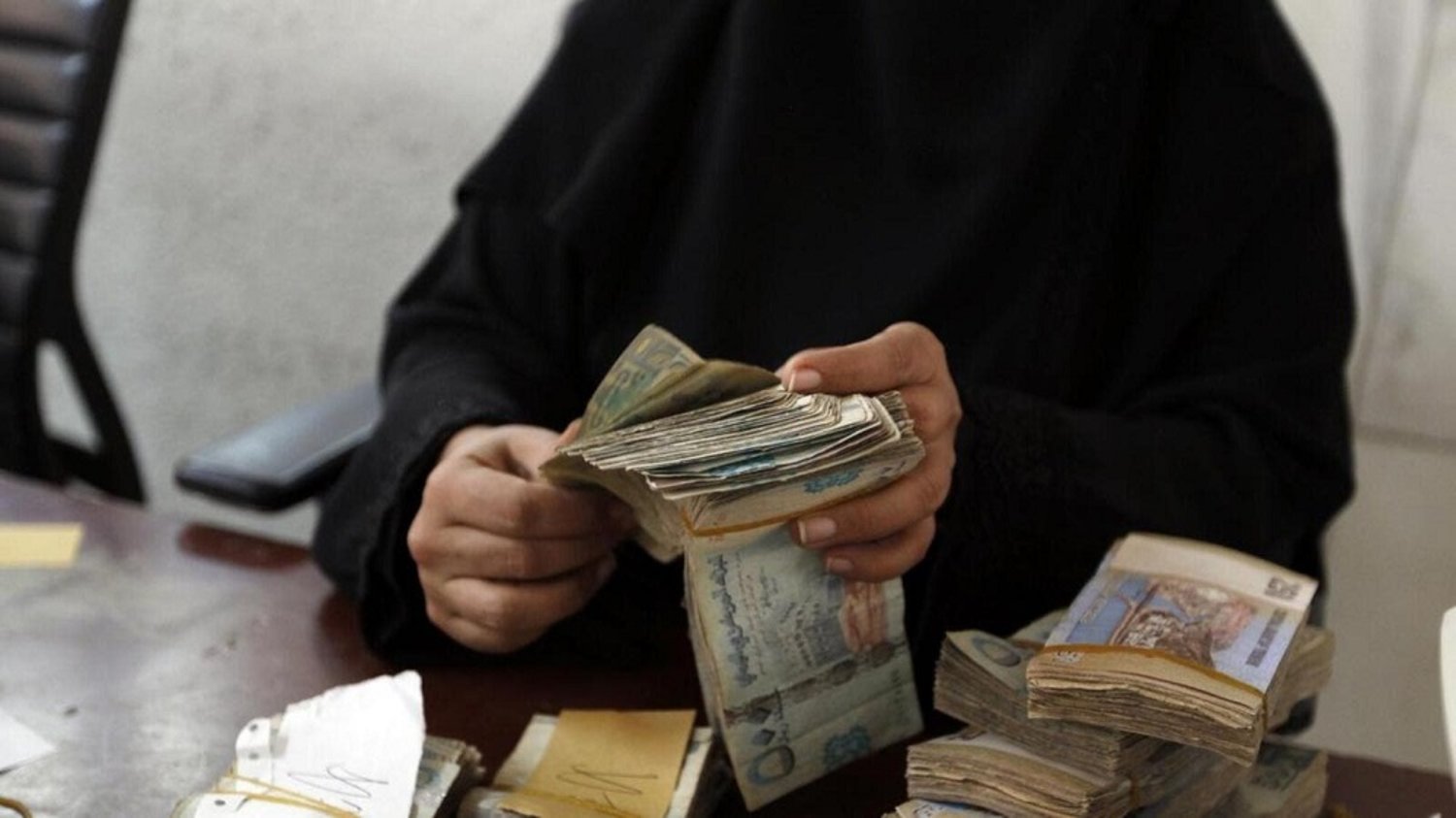
If you’re trying to figure out the Yemeni rial to US dollar exchange rate, you’ve probably noticed something weird. You look up a rate on Google, see one number, then talk to someone in Aden or Sana'a and get two completely different stories. It’s a mess. Honestly, "mess" might be an understatement. Yemen doesn't just have a weak currency; it basically has two different currencies pretending to be the same thing, and the gap between them is massive.
As of early 2026, the situation has somehow managed to get even more complicated.
The Great Divide: Aden vs. Sana'a
To understand why the Yemeni rial to US dollar rate is so volatile, you have to realize that Yemen is economically split in two. It’s like living in a house where the upstairs and downstairs use different rules for money.
In the south, specifically in areas controlled by the Internationally Recognized Government (IRG) like Aden, the rial has been in a freefall for years. We’re talking about rates that have hovered around 1,600 to 1,640 YER per 1 USD in recent months. There was a moment back in 2025 where it looked like things might stabilize after some central bank reforms, but that hope was short-lived. In Aden, they use "new" banknotes—bills printed after 2017—and because there are so many of them in circulation, their value has plummeted.
Then you look at the north. In Sana'a and other Houthi-controlled areas (SBA), the rate looks "better" on paper. It’s usually around 530 to 540 YER per 1 USD.
Wait, why?
It’s not because the economy is booming. It’s because the authorities there banned the new banknotes. They only use the "old" rials—the ones printed before the war. Since there’s a fixed, limited supply of these old bills, the exchange rate stays "stable" at a much stronger level. But "stable" is a relative term when you can't actually find enough cash to buy bread.
Why the Rial Keeps Losing Ground
Money is basically just a collective agreement on value. In Yemen, that agreement has been shredded by ten years of war.
- The Oil Blockade: For a long time, Yemen's main source of hard currency (actual US dollars) was oil exports. Since late 2022, Houthi attacks on southern oil terminals basically stopped those exports. No exports means no dollars coming into the central bank. When there are no dollars to go around, the price of the few that remain goes through the roof.
- The Printing Press: To pay salaries and keep the lights on, the government in the south printed a ton of new money. It’s basic supply and demand. If you flood the market with rials but have no dollars to back them up, the rial becomes worth less than the paper it’s printed on.
- Speculation: Because the rate moves so fast, everyone becomes a currency trader. Exchange shops in Aden and Taiz have been accused of "speculating"—basically betting against the rial to make a quick profit—which just makes the crash happen faster.
Real-Life Impact: It’s Not Just Numbers
When we talk about the Yemeni rial to US dollar rate, we aren't talking about Wall Street traders. We're talking about a father in Taiz who earns 150,000 rials a month.
A few years ago, that might have been $250. Today, in the south, that’s about $90.
But here’s the kicker: Yemen imports almost 90% of its food. Since those imports are bought with US dollars, every time the rial drops, the price of flour, sugar, and fuel jumps instantly. You can go to the market in the morning and find the price of oil is 10% higher by the afternoon. It’s exhausting.
The World Bank and UN have been sounding the alarm for 2026. They're seeing "IPC Phase 4" emergency levels of hunger. That’s a fancy way of saying people are starving because they can’t afford the exchange rate.
Can the Central Bank Fix This?
The Central Bank of Yemen (CBY) in Aden has tried everything. They’ve held weekly dollar auctions to try and provide liquidity to traders. They’ve shut down dozens of unlicensed exchange shops. They even tried to force banks to move their headquarters from Sana'a to Aden to get more control over the money flow.
None of it has really stuck.
The problem is that currency stability requires trust and physical resources. Without oil revenue or massive, sustained cash injections from neighbors like Saudi Arabia or the UAE, the CBY is basically trying to put out a forest fire with a water pistol.
Navigating the Current Rates
If you are sending money to Yemen or trying to budget for a project there, you cannot rely on a single "official" rate.
- Check the location: Always ask if the rate is for "Old Notes" (Sana'a) or "New Notes" (Aden).
- Use local trackers: Websites like the Yemen Economic Tracking Initiative (YETI) or even specific Telegram channels are often more accurate than global currency converters which might only show the "official" (and often irrelevant) rate.
- Expect volatility: The rate can swing by 5-10% in a single week based on a political announcement or a shipment of aid.
Actionable Insights for 2026
If you’re dealing with Yemeni currency, keep these realities in mind to avoid getting burned:
- Diversify holdings: If you’re a business owner in Yemen, holding too much YER—especially "new" rials—is a massive risk. Most people try to swap into Saudi Riyals (SAR) or US Dollars (USD) the second they get paid.
- Monitor the Customs Dollar: Keep an eye on the "customs dollar" rate. This is what the government uses to tax imports. There have been talks of adjusting this in 2026 to match the market rate, which would cause another spike in local prices.
- Remittance Timing: If you're sending money to family, use services that allow for pickup in USD or SAR if possible. This protects the recipient from the rapid depreciation of the rial between the time you send it and the time they spend it.
The Yemeni rial to US dollar situation is likely to remain fractured until there’s a unified political solution. Until then, the best strategy is to watch the local markets daily and never assume yesterday's price is today's reality.