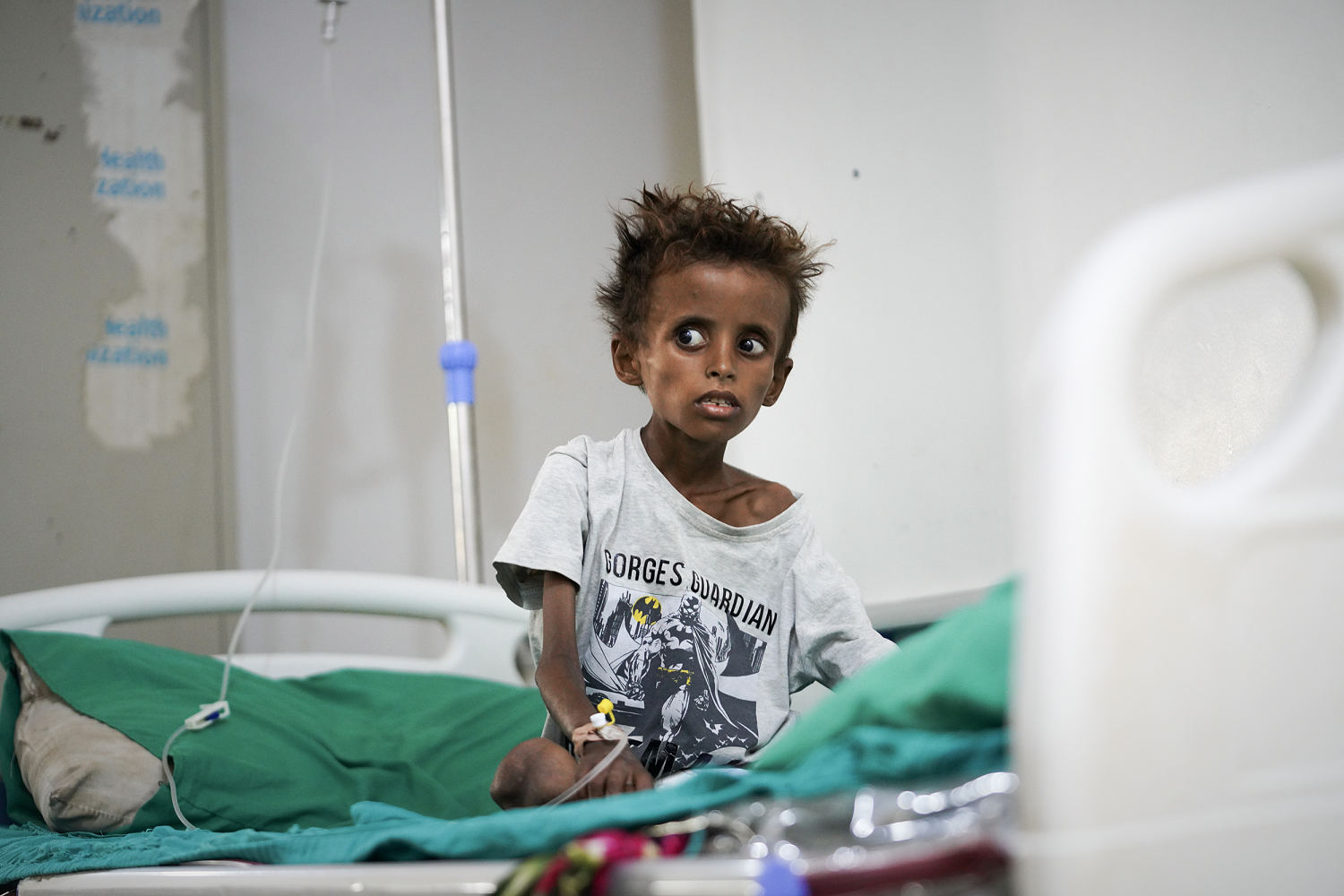
When the front lines shift, the monitors stop beeping. That is the brutal reality facing medical facilities across Yemen as renewed ground wars and shifting territorial control push an already fractured healthcare infrastructure past its absolute breaking point. You rarely see it lead evening broadcasts for long, but the situation on the ground represents an immediate humanitarian disaster where hospitals do not have the luxury of choosing who gets treated.
The math of modern conflict in the region is devastating. Thousands of casualties flood emergency rooms within days, overwhelming local trauma units that operate with bare minimum supplies. When a massive influx of wounded arrives, doctors face impossible choices. Maternity wards get converted into makeshift trauma units, and routine checkups for chronic illnesses vanish entirely.
The Anatomy of a Breaking Health System
Decades of instability mean Yemen entered this latest escalation with a severely compromised medical grid. Only a fraction of health facilities remain fully functional. When fresh fighting erupts in areas like Marib, Taiz, and Lahj, the impact multiplies instantly.
Consider what happens when a hospital is flooded with dozens of trauma patients.
- Critical supplies like anesthesia and sterile gloves run dry in hours.
- Fuel shortages knock out emergency generators during power cuts.
- Referral networks break down because roads close or come under fire.
Medical teams work around the clock without adequate sleep or security. Some health centers have had to shut their doors entirely after taking direct or indirect damage from shelling. Doctors on the front lines describe triage environments where they must turn away pregnant women in active labor simply because every surgeon and operating table is tied up stitching shrapnel wounds.
The Displaced Populations Caught in the Crossfire
Physical injury from combat is only one half of the disaster. Hundreds of thousands of civilians have fled their homes in frantic night-time evacuations, carrying virtually nothing with them. They arrive in makeshift camps with acute vulnerabilities.
Water scarcity compounds the health emergency rapidly. In many camps, safe drinking water is scarce, forcing families to rely on expensive or brackish alternatives. This creates fertile ground for waterborne outbreaks and severe malnutrition among children.
Think about managing chronic illness under these conditions. Patients arrive at mobile clinics with empty medication boxes for hypertension, diabetes, and epilepsy, begging for refills that local stocks simply cannot accommodate. For vulnerable children and pregnant women, missing routine care or nutritional supplements turns minor health issues into life-threatening emergencies within days.
What International Agencies Face Right Now
Humanitarian organizations and bodies like the World Health Organization and the International Committee of the Red Cross are scrambling to plug the gaps, but funding shortfalls remain a persistent obstacle. Airlifts and logistics convoys manage to bring in critical drug batches and laboratory supplies, yet distributing them safely across active front lines remains an extraordinary logistical hurdle.
Without sustained medical pipelines and secure transit corridors for ambulances, localized collapses threaten to cascade into a nationwide catastrophe. The resilience of local healthcare workers keeps doors open against impossible odds, but heroism alone cannot substitute for surgical gauze, clean water, fuel, and peace. Supporting localized emergency responses and maintaining funding channels for frontline stabilization points are the only ways to prevent total systemic failure.


