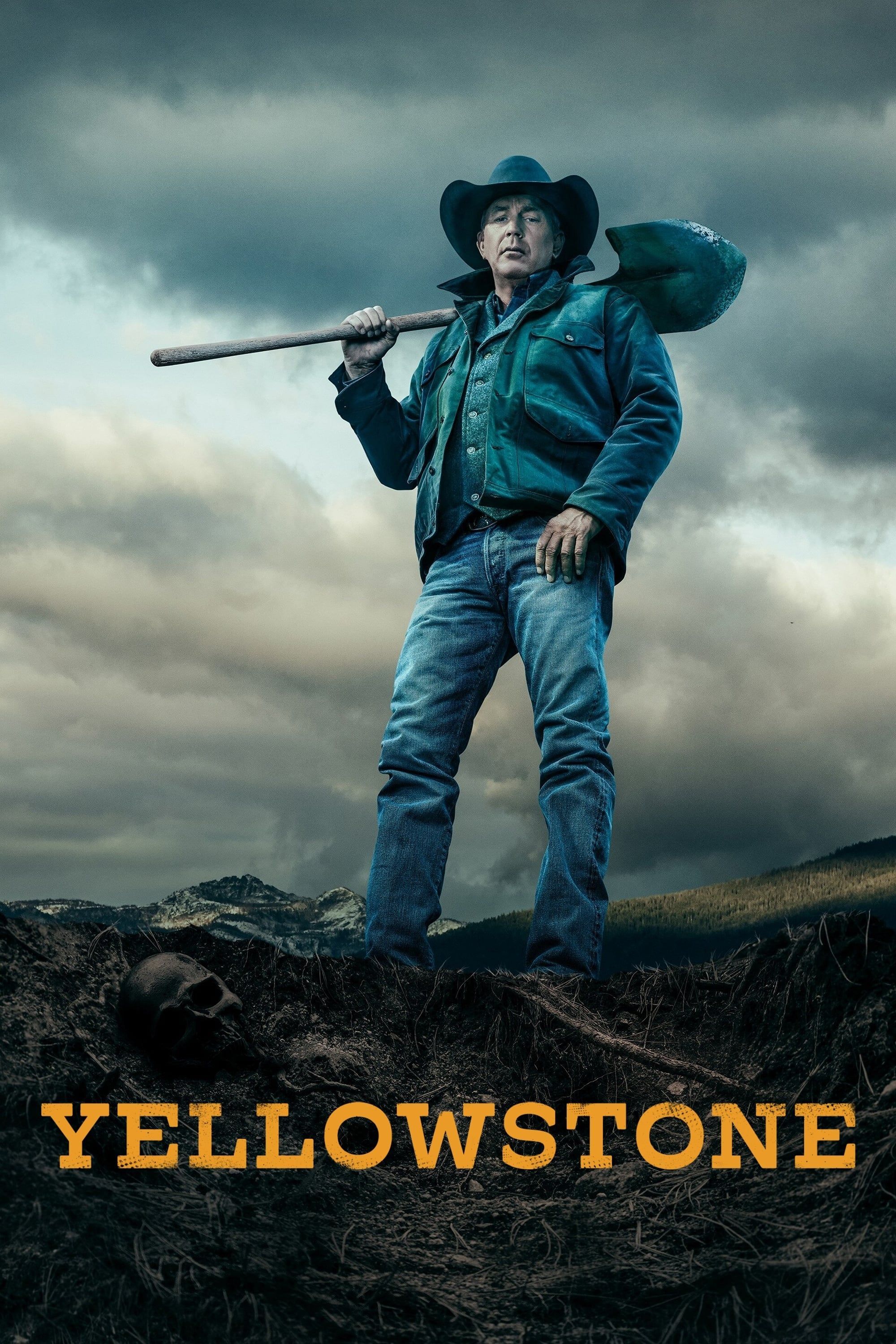
If you’re looking for a platform and a ticket booth, you’re in the wrong place. In the world of Taylor Sheridan’s neo-western epic Yellowstone, the train station isn't a place where you catch a ride to Salt Lake City. It’s where you go to die. It’s a roadside cliff, a legal "no man’s land," and the Dutton family’s preferred method of permanent disposal.
People always ask if it’s real. Sorta. Don't miss our earlier article on this related article.
The show presents it as a desolate spot just over the Wyoming border in Idaho where "people don't look and the law don't go." While the gruesome dumping ground where characters like Lloyd or Rip take the "trash" is a fictional construct, it’s actually based on a very real, very weird legal loophole in the United States Constitution.
The Reality of the Yellowstone Train Station
The show places the train station in a remote corner of Idaho. In the series, John Dutton, played by Kevin Costner, explains that it’s a place with a population of zero. No people, no witnesses, no jury. That’s the key. To read more about the context here, Deadline provides an excellent summary.
You see, the show is leaning on a concept famously dubbed the Zone of Death. This isn't just a writer's room invention; it was popularized by law professor Brian Kalt in a 2005 research paper titled The Perfect Crime. Kalt pointed out a jurisdictional nightmare in a 50-square-mile stretch of Yellowstone National Park.
Because the park is federal land, it falls under the jurisdiction of the District of Wyoming. However, a small sliver of the park actually sits within the state lines of Idaho. Here’s the kicker: The Sixth Amendment of the U.S. Constitution requires that a criminal defendant has the right to a trial by a jury from the state and district where the crime was committed. If you commit a murder in the Idaho portion of the park, your jury must be from Idaho (the state) and the District of Wyoming (the federal district).
The problem? Nobody lives there.
Literally. The population is zero. You can't form a jury. Therefore, theoretically, you can't be tried. It’s a terrifying thought that Taylor Sheridan turned into a recurring plot device for the most ruthless family on television.
Why the Duttons Use the "Train Station"
In the show, the train station is located at a specific roadside turnout. You’ve seen the shots: a black abyss of a canyon where bodies disappear into the darkness. It’s used for "the help" or enemies who know too much. Think back to the Season 4 finale where Beth Dutton forces Jamie to kill his biological father, Garrett Randall. She gives him a choice: go to jail or take him to the train station.
It represents the absolute power of the ranch.
The Duttons aren't just ranchers; they are a private empire. They view themselves as being above the common law because they serve a "higher" purpose: protecting the land at any cost. When someone becomes a threat to that land—be it a disgruntled ranch hand or a corporate spy—they get a one-way ticket. It’s a dark, cold tradition that highlights the show's core theme: the West is still wild, and the law is only as strong as the people willing to enforce it.
It's a dumping ground for secrets
- The Brand: Men who wear the Yellowstone brand aren't allowed to leave. If they try to take the ranch's secrets with them, they end up at the cliff.
- The Politics: John Dutton understands that some problems can't be solved with a lawsuit or a bribe.
- The Psychology: For characters like Rip Wheeler, the train station is just a chore. It’s a grim necessity of their lifestyle.
Is the Zone of Death Actually Safe for Criminals?
Don't go getting ideas. While the Yellowstone train station works wonders for the plot, the real-world "Zone of Death" isn't exactly a get-out-of-jail-free card. Brian Kalt himself has spent years trying to get Congress to close the loophole, but so far, they haven't bothered.
However, the courts are smarter than a TV show villain. If you were to actually commit a crime in that 50-mile Idaho strip, the government would likely find a way to prosecute you. They might charge you with "conspiracy" in a different location or find a way to argue that the trial could be moved under "extraordinary circumstances."
In 2005, a poacher named Michael Belderrain tried to use this exact legal defense after illegally shooting an elk in the park. The judge basically told him it wouldn't work and he eventually took a plea deal. The law hates a vacuum. They’ll fill it with a jail cell one way or another.
The Cultural Impact of the Train Station
It has become a meme. It’s a shorthand for "getting fired" or "being cancelled" in certain circles. But within the context of the show, it serves a much more somber purpose. It’s a reminder that the beauty of the American West often masks a brutal history of violence.
The "train station" is the shadow side of the postcard-perfect mountains. It’s where the dirt stays buried. Honestly, it’s one of the most chilling aspects of the series because it feels plausible. We want to believe that the law covers every square inch of the country, but the reality of remote wilderness says otherwise.
Memorable "Passengers"
Remember Walker? The singer who just wanted to play guitar and stay out of trouble? He nearly became a permanent resident of the train station until Kayce Dutton showed some uncharacteristic mercy. Or Fred, the bully who picked on Jimmy in the early seasons. His trip to the cliff was our first real introduction to how the Duttons handle HR issues.
Every time a truck pulls over at that specific spot in the middle of the night, the audience knows what’s coming. It’s high-tension television at its best.
Actionable Takeaways for Fans and Travelers
If you’re a fan of the show and you’re planning a trip to Yellowstone National Park, there are a few things you should keep in mind about the myth vs. the reality.
- Don't go looking for the cliff: The filming location isn't actually in the "Zone of Death." Most of Yellowstone is filmed in Montana (specifically around Darby and Missoula). The "train station" scenes are shot on private property or specific scenic turnouts that aren't actually death traps.
- Respect the Park: Yellowstone is a dangerous place even without the Duttons. Between grizzly bears, hydrothermal vents, and sheer cliffs, the park provides plenty of natural ways to end up in trouble. Stay on the boardwalks.
- Read the Research: If the legal loophole genuinely interests you, look up Brian Kalt’s work. It’s a fascinating look at how the U.S. Constitution interacts with federal land management. It's way more complex than the show makes it out to be.
- Understand the Narrative: The train station is a metaphor for the "Old West" dying out. As the world gets smaller and more connected (GPS, cell towers, drones), the idea of a place where you can disappear is vanishing. The Duttons are fighting a losing battle against the modern world.
The Yellowstone train station remains one of the most haunting locations in modern television. It’s a place where the scenery is beautiful and the morality is pitch black. Whether it exists in the legal books or just in Taylor Sheridan's mind, it has left an indelible mark on how we view the rugged, lawless fringes of the American frontier.
To dive deeper into the actual geography, check the official National Park Service maps for the Idaho-Wyoming-Montana borders. You’ll see just how isolated those corners of the park really are. Just remember: if someone offers you a ride to the train station, you’re better off walking.



