You think you know Yellowstone. You've seen the photos of Old Faithful and that technicolor pool that looks like a portal to another dimension. But honestly? Most people show up and realize they are completely unprepared for how massive—and occasionally dangerous—this place actually is. It isn't a theme park. It’s a 2.2-million-acre volcanic hotspot that doesn’t care about your itinerary.
Yellowstone is weird. Really weird.
Most travelers arrive expecting a quiet walk in the woods. Instead, they find themselves stuck in a "bison jam" for three hours because a 2,000-pound animal decided the middle of the road was a great place for a nap. It is the first national park in the world for a reason. Signed into law by Ulysses S. Grant in 1872, it was a move that basically invented the concept of public land conservation. But the history of the park is complicated. Before it was a tourist destination, it was home to the Tukudeka (Sheep Eaters), Crow, Blackfeet, and Nez Perce. The idea that it was a "pristine wilderness" untouched by humans is one of those myths we’re finally starting to dismantle.
The Volcano Under Your Feet
Let's talk about the giant "boom" in the room. Yellowstone is sitting on a supervolcano.
Geologists from the Yellowstone Volcano Observatory (YVO) track every shiver and shake of the ground here. If the Yellowstone Caldera actually blew its top the way it did 640,000 years ago, we wouldn't be worrying about our flight home. We’d be worrying about the several feet of ash covering Kansas. But here is the thing: it’s probably not going to happen in our lifetime. Or in the next ten lifetimes. The real threat is much smaller and much more likely. Hydrothermal explosions. Basically, when water gets trapped under pressure and turns to steam instantly, it can blow a hole in the ground without any warning. We saw this happen at Biscuit Basin in July 2024. One minute people were on a boardwalk, the next, rocks were raining down from the sky.
It’s scary stuff.
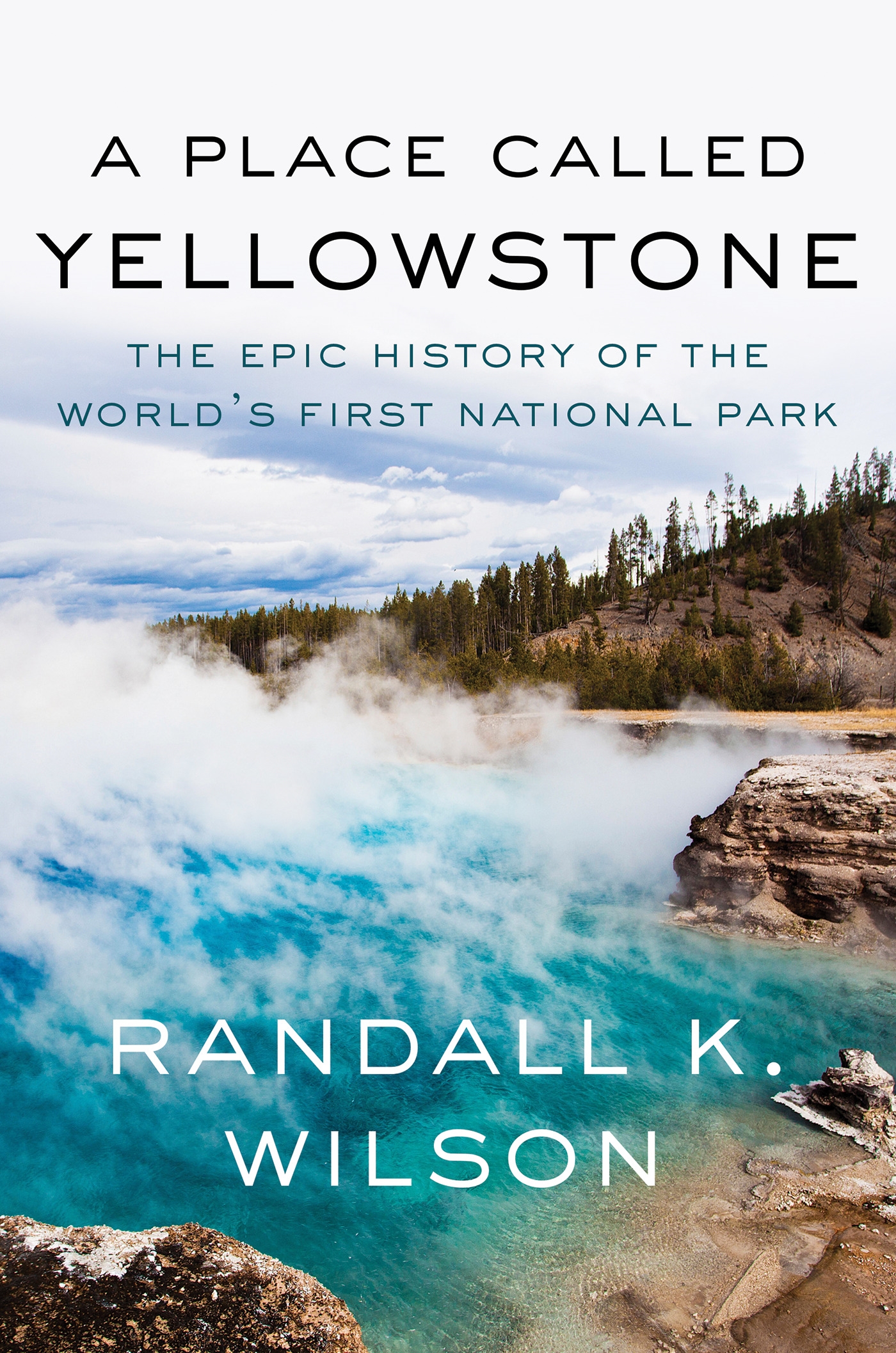
But that's the trade-off for seeing the Grand Prismatic Spring. That giant blue and orange eye in the ground is blue because the water is so incredibly hot and pure that it scatters light. The orange and yellow rings? Those are "extremophiles." Specifically, Thermus aquaticus. These are bacteria that thrive in temperatures that would literally melt your skin off. Interestingly, an enzyme from these bacteria was used to develop PCR testing—the stuff used for DNA sequencing and COVID tests. Yellowstone is literally a giant laboratory.
Why the Animals are Winning
People come for the geysers, but they stay for the bears. And the wolves. And the elk.
Wildlife management in the park has been a rollercoaster. Back in the 1920s, the government basically wiped out the wolf population. They thought they were "protecting" the elk. Bad move. Without wolves, the elk population exploded and ate everything in sight. The riverbanks eroded because the trees couldn't grow back. In 1995, the National Park Service reintroduced gray wolves from Canada. It’s one of the most famous cases of "trophic cascade" in history. The wolves ate the elk, the trees came back, the beavers returned because they had wood to build dams, and the whole ecosystem stabilized.
You’ll see the "Wolf People" at Lamar Valley. These are dedicated enthusiasts who sit with spotting scopes at 5:00 AM every single day. They know the names of the packs—the Junction Butte pack, the Wapiti Lake pack—and they can tell you the lineage of a specific wolf from a mile away.
Don't be the person who tries to pet a bison. Seriously.
Every year, someone gets tossed like a ragdoll because they wanted a selfie. Bison look like big, fuzzy cows. They are not. They can run 35 miles per hour and they are incredibly grumpy. If a bison’s tail is standing up, it means it’s about to charge. If you see that, you’ve already messed up. Park Rangers generally suggest staying at least 25 yards away from bison and 100 yards away from bears and wolves.
The Logistics of a 2-Million-Acre Map
If you look at a map of Yellowstone, it looks like a giant "8" with two loops. The Grand Loop Road.
Driving this loop takes forever. If you think you’re going to "do" the park in a day, you’re kidding yourself. Traffic is slow. The speed limit is usually 45 mph, but you’ll rarely hit that. Between the road construction and the wildlife, you’re looking at an average speed of maybe 20 mph.
The Upper Loop vs. The Lower Loop
The Lower Loop is where the "hits" are.
- Old Faithful: It’s famous, sure, but it’s crowded. It erupts roughly every 90 minutes, give or take.
- Grand Prismatic: Spectacular, but the parking lot is a nightmare.
- The Grand Canyon of the Yellowstone: This is where you find the Lower Falls. It’s twice as high as Niagara Falls. The yellow rock walls are actually what gave the park its name.
The Upper Loop is quieter.
- Mammoth Hot Springs: These look like inside-out caves. The travertine terraces are constantly growing and changing color.
- Lamar Valley: This is the "Serengeti of North America." If you want to see a grizzly or a wolf pack, this is where you go.
Most people stay in West Yellowstone, Montana, or Gardner. If you want to stay inside the park, you have to book a year in advance. Literally. Xanterra, the company that runs the lodges, opens bookings 13 months out, and they vanish in minutes. If you’re a camper, use Recreation.gov. But be warned: even in July, it can drop below freezing at night.
Winter in the Interior
Yellowstone in winter is a different planet.
Most of the roads close to regular cars in early November. To see the interior, you have to take a "snowcoach"—a van with giant treads—or a snowmobile. It’s silent. The steam from the geysers hits the freezing air and creates "ghost trees" covered in rime ice. The bison hang out near the thermal areas to stay warm, their fur matted with frost. It’s expensive and hard to get to, but it’s the only time the park feels truly empty.
What No One Tells You About the Smells
The park smells like rotten eggs.
Hydrogen sulfide gas is the culprit. When you’re walking around the Mud Volcano area or Sulphur Caldron, the stench is thick. Some people find it nauseating. Others (mostly geologists) find it comforting. It’s the smell of the earth breathing.
And then there's the altitude. Much of the park is over 7,000 feet. If you’re coming from sea level, you’re going to get winded walking up a flight of stairs. Drink twice as much water as you think you need. Dehydration hits fast up here, and it makes the "sulfur smell" headache way worse.
Practical Steps for Your Trip
Don't just wing it. If you're planning to head to Yellowstone, you need a strategy to avoid the crowds and actually enjoy the scenery.
- Download the NPS App: Do this before you get to the gate. Cell service is basically non-existent once you’re inside. The app has an offline mode that tracks geyser eruption times and trail closures.
- Be a Morning Person: If you aren't through the park entrance by 7:00 AM, you are going to spend your morning looking at the bumper of a rental SUV. The best wildlife viewing happens at dawn anyway.
- Pack Layers: I've seen it snow in August. I've also seen it hit 90 degrees. You need a rain shell, a fleece, and a hat, regardless of what the forecast says.
- The Picnic Strategy: Don't rely on the "General Stores" for lunch unless you enjoy waiting in line for 45 minutes for a mediocre burger. Pack a cooler. Find a turnout by the Yellowstone River. Eat there.
- Check the Yellowstone Volcano Observatory (YVO) Website: If you're a nerd for the "is it going to blow?" updates, they post monthly reports that are actually quite calming.
- Binoculars are Mandatory: You can't see a wolf with the naked eye most of the time. If you don't own a pair, rent some in Gardiner or Silver Gate before you head in.
Yellowstone isn't a place you "see." It’s a place you survive, navigate, and eventually respect. It’s loud, smelly, crowded, and perfectly chaotic. Just stay on the boardwalks—the ground is thinner than it looks, and the water underneath is boiling. Seriously. Stay on the boards.