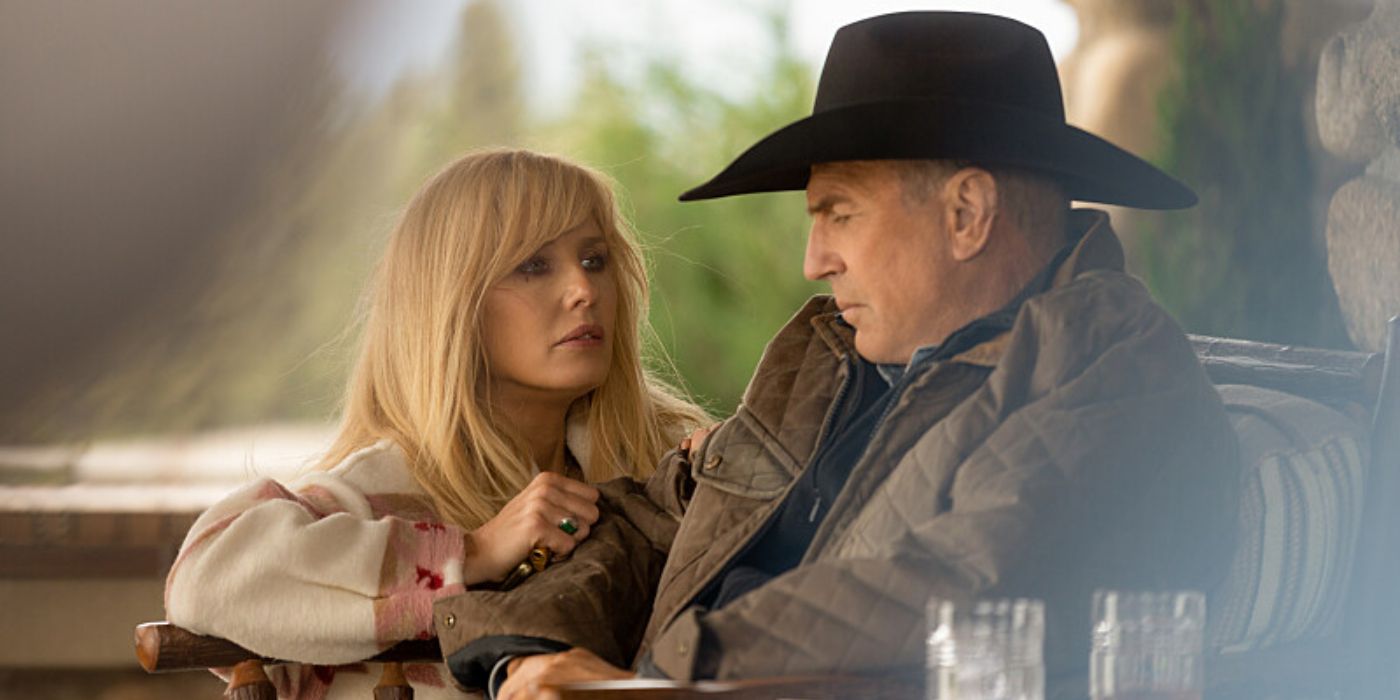
The dust has finally settled on the ranch. Or maybe it just got blown away by a private jet heading toward a legal deposition in California. Let’s be real: the Yellowstone Season 5 finale wasn’t just a TV episode. It was a cultural event that felt like watching a messy divorce play out in Montana denim. For years, we watched John Dutton defend his land with a shotgun and a scowl. Then, suddenly, the king was gone.
It was jarring.
Honestly, the way Taylor Sheridan handled the exit of Kevin Costner is going to be studied in film schools—or maybe business schools—for a decade. You’ve got the biggest show on cable, a massive fan base, and a lead actor who basically is the show’s DNA. Then, poof. He’s out. What we got in the final stretch of Season 5 was a pivot so sharp it gave most of us whiplash. The Yellowstone Season 5 finale had to do the impossible: close a chapter without its main character while setting up a future that feels, well, actually worth watching.
The Death of John Dutton and the Fallout We Didn't Expect
Let's talk about that bathroom floor. Most fans expected John Dutton to go out in a blaze of glory. Maybe a shootout at the ranch. Maybe a quiet moment on a horse overlooking the valley. Instead, the Yellowstone Season 5 finale gave us something grittier and, frankly, more depressing. A suicide that wasn't actually a suicide.
It was a professional hit disguised as a desperate act. Sarah Atwood, played with chilling corporate malice by Dawn Olivieri, finally pulled the trigger—metaphorically speaking. By hiring professional killers to take out the Governor of Montana, she didn't just kill a man; she decapitated the Dutton legacy. But the real story wasn't the death itself. It was the reaction. Watching Beth (Kelly Reilly) realize what happened was gut-wrenching. Reilly has always played Beth like a raw nerve, but this was different. This was the end of her world.
Kayce and Jamie are on opposite sides of a canyon that can't be bridged anymore. Jamie, the perpetual black sheep, finally crossed a line you can't come back from. Even if he didn't pull the trigger, his hands are covered in his father's blood because of his association with Sarah. The tension in those final scenes wasn't just about plot points. It was about the fundamental collapse of a family unit that had stayed together through sheer force of John's will.
Why the Yellowstone Season 5 Finale Split the Fanbase
Some people loved the chaos. Others felt cheated. If you scroll through any forum or social media thread, the divide is pretty clear.
One side argues that the show successfully transitioned into a modern Greek tragedy. Without the "Great Man" at the center, the children are left to devour each other. It’s Shakespearean. It’s dark. It’s very Taylor Sheridan. The other side? They feel like the Yellowstone Season 5 finale was a rushed response to behind-the-scenes drama. And they aren't entirely wrong. The scheduling conflicts between Costner’s Horizon project and the Yellowstone production are well-documented. It forced the writers into a corner.
But here is the thing: the absence of John Dutton actually allowed other characters to breathe.
For the first time, Rip Wheeler (Cole Hauser) had to be more than just the "Enforcer." He had to be the rock for a woman who was completely unraveling. We saw a vulnerability in the bunkhouse that wasn't there before. When the boss is gone, the rules change. The power dynamic shifted from "protect the ranch" to "survive the aftermath." That shift is what made the Yellowstone Season 5 finale feel so heavy. It wasn't just about land anymore. It was about grief.
Breaking Down the Political Chess Match
People forget that Yellowstone is as much a political thriller as it is a Western. The legal maneuvers in the final episodes were dense. We had impeachment hearings, land trust complications, and the looming threat of the Airport project.
- The Impeachment: Jamie’s move to impeach his father was the ultimate betrayal. It set the stage for the total legal collapse of the Dutton's hold on the governor's office.
- The Hit: Hiring "professionals" changed the tone from a family feud to a corporate war.
- The Legacy: Beth’s realization that the ranch is now a liability, not just a home.
It’s a lot to process. Most viewers just want to see beautiful shots of the Bitterroot Valley and Rip beating someone up. But the Yellowstone Season 5 finale demanded more. It asked us to pay attention to the fine print of Montana law and the brutal reality of corporate takeover. Market Equities didn't need guns; they just needed a desperate son and a clean assassin.
What Really Happened With the Timeline?
There’s a lot of confusion about how much time passed and why the ending felt so truncated. Originally, Season 5 was supposed to be a standard run. Then it was split into Part A and Part B. Then the strikes happened. Then the Costner exit happened. By the time the cameras were rolling for the final episodes, the momentum had shifted.
The producers had to condense what likely should have been two full seasons of "The Fall of John Dutton" into a handful of episodes. This is why some character arcs felt like they skipped a few steps. Kayce, for instance, seemed to oscillate between wanting out and being all-in faster than usual. But despite the pacing issues, the Yellowstone Season 5 finale managed to nail the atmosphere. It felt like twilight. Not just for the day, but for an entire era of television.
Practical Insights for the Future of the Franchise
If you’re sitting there wondering what happens next, you’re not alone. The "finale" isn't really the end of the universe; it's a bridge. Here is what you actually need to know about where we go from here:
- The 6666 Spinoff: This has been teased forever. Jimmy is already down there, and the Texas vibe is a massive part of the future. Expect the focus to shift toward the ranching industry as a whole, rather than just the Dutton's specific problems.
- The Sequel Series: There is a lot of talk about a "1944" or a "2024" (or 2025/2026) follow-up. While the Yellowstone Season 5 finale closed John's book, the "Yellowstone" brand is too big to die.
- Beth and Rip's Fate: Their story is the heart of the show now. Any future iteration of the main timeline has to center on them trying to hold onto the pieces of what John left behind.
The Verdict on the Ending
Was it perfect? No. Was it honest? Sorta. It was the most "2020s" ending possible—a mix of corporate litigation, tragic violence, and the messy reality of a lead actor leaving a hit show. The Yellowstone Season 5 finale didn't give us a happy ending because the Duttons were never going to have one. They live by the sword; they were always going to lose everything by the sword (or the poison, or the legal brief).
The real takeaway is that the land remains. The mountains don't care about the Duttons. They don't care about Market Equities. In the final shots, the landscape looks as indifferent and beautiful as it did in the pilot. That’s the real "Yellowstone" way.
To truly wrap your head around the ending, you should go back and watch the first episode of Season 1. Compare John's first speech to the silence at the end of the Yellowstone Season 5 finale. The contrast tells you everything you need to know about the price of power in the modern West. If you're looking for more, keep an eye on the production updates for the upcoming spinoffs, as the casting calls are already hinting at a very different Montana than the one we've grown used to.
Check the official Paramount press releases for the latest on the "The Madison" series, which is rumored to pick up the thematic slack left by the original show. The story isn't over; it's just changing zip codes. Moving forward, expect the narrative to lean harder into the "New West" conflicts—tech billionaires versus traditionalists—that Season 5 only started to scratch.



