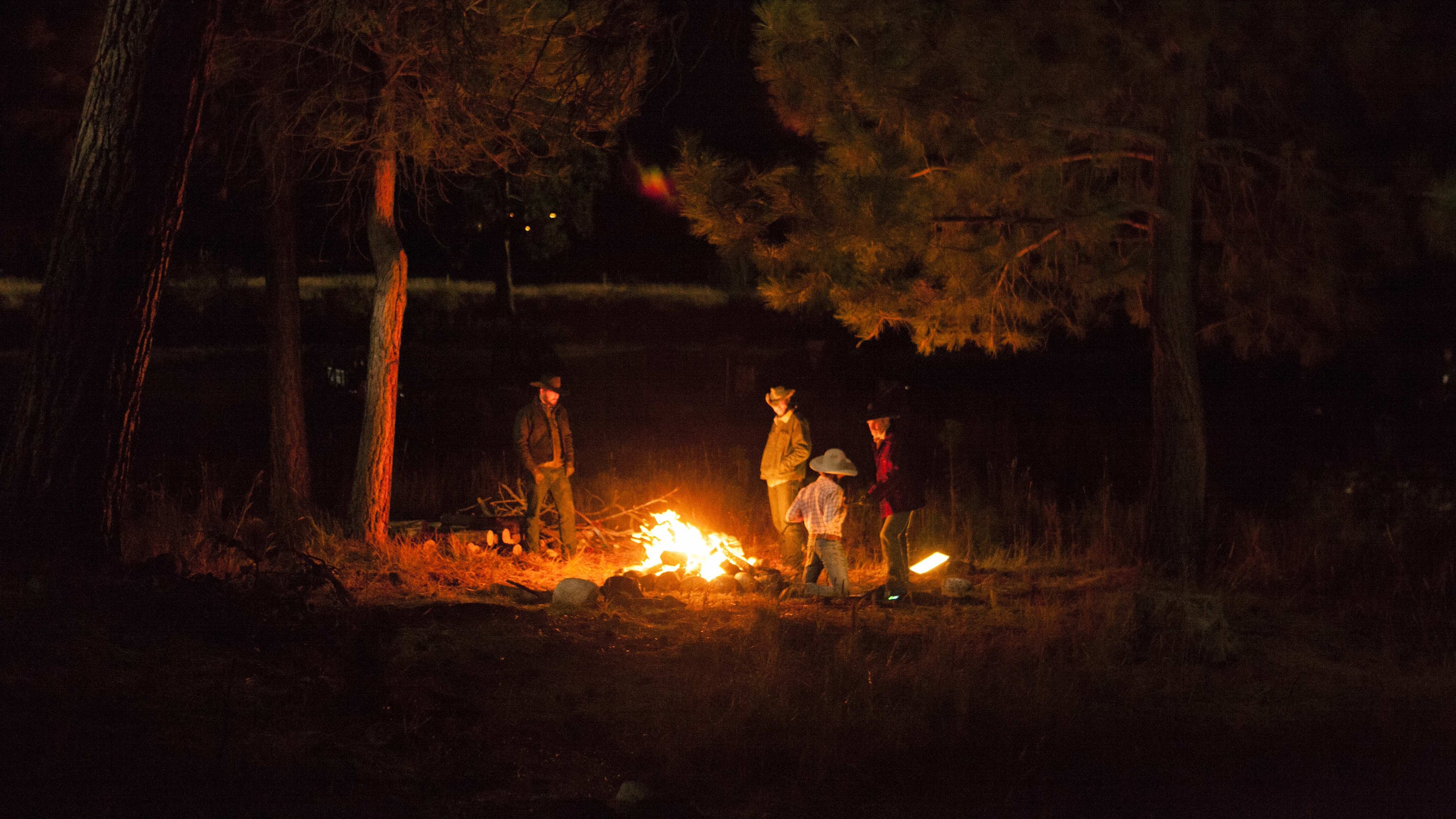
The smoke hadn't even cleared from the Season 3 finale when fans started losing their minds. Remember that? John Dutton bleeding out by the side of the road, Kayce flipping a desk for cover, and Beth... well, Beth being at the center of a literal explosion. It was the kind of cliffhanger that makes a year-long wait feel like a decade. When we finally got into the Yellowstone season 4 episodes, the vibe shifted. It wasn't just about who pulled the trigger anymore. It became a messy, sprawling look at a family trying to keep their grip on a world that was moving way too fast for them.
Taylor Sheridan didn't give us the immediate, bloody revenge flick some people wanted. Instead, he took us to Texas. He showed us the 6666 Ranch. He spent a lot of time on Jimmy. Honestly, some fans hated that. They wanted more Rip Wheeler smashing faces and less cowboy existentialism. But if you look closer at how those ten episodes were structured, you realize the Season 4 arc was actually about the slow rot of an empire, not just a shootout at the OK Corral.
The Chaos of "Half the Money" and "Phantom Pain"
The premiere was a heart-stopper. "Half the Money" didn't waste a second. We saw Rip find John, the frantic race to the hospital, and that brutal realization that the Duttons are basically invincible until they aren't. It’s wild how Sheridan can direct action; it feels heavy. You can almost smell the diesel and gunpowder.
But then "Phantom Pain" slowed things down. It had to. You can’t keep that 100-mph pace forever without burning out the audience. This is where we started seeing the physical toll on John. Kevin Costner plays "recovering old man" with a specific kind of grumpiness that feels incredibly authentic. He’s not just hurt; he’s insulted. Someone tried to take his land and his life, and he’s stuck drinking juice and walking with a cane.
The introduction of Carter was a polarizing move. Some viewers saw him as a "New Beth" or a "New Rip," but he’s really just a mirror. He shows us how much Beth has hardened. When she takes him to buy clothes and it turns into a traumatic event, you realize Beth doesn't know how to mother—she only knows how to recruit soldiers.
Why Yellowstone Season 4 Episodes Divided the Fanbase
Let’s talk about the 6666 of it all. Throughout the middle of the season, specifically in episodes like "Winning or Losing" and "Under a Blanket of Red," the show felt like it was trying to be two things at once. It was a Montana crime drama and a Texas ranching documentary.
Jimmy’s journey to the Four Sixes was basically a backdoor pilot for a spin-off. It felt disconnected. You’re sitting there wondering when we’re going to find out who hired the militia, and instead, you’re watching Jimmy learn how to rope in the Texas heat. It’s beautiful cinematography, sure. But it felt like a detour.
- The pacing was weirdly rhythmic.
- We got long stretches of "cowboy stuff."
- Then we got sudden bursts of Beth Dutton's corporate warfare.
- Market Equities, led by Caroline Warner (played by a terrifyingly sharp Jacki Weaver), became the real villain.
The thing is, the "boring" parts were actually building the stakes. By showing what a real, functional ranch like the 6666 looks like, Sheridan was highlighting how dysfunctional the Yellowstone actually is. The Duttons aren't just fighting developers; they're fighting time.
The Garret Randall Factor
The big reveal—that Jamie’s biological father, Garrett Randall, was the one behind the hits—was handled with a strange kind of quietness. Will Patton plays Garrett with this soft-spoken, manipulative evil that makes your skin crawl. He’s the anti-John Dutton. Where John uses power and tradition, Garrett uses resentment and blood.
Watching Jamie get manipulated was painful. Honestly, Jamie is the most tragic character on TV. He just wants to belong somewhere, but he’s caught between a father who uses him and a father who wants to destroy everything he’s built. By the time we get to "Keep the Wolves Close," the tension between Jamie's loyalty and his ambition is vibrating off the screen.
Breaking Down the Finale: "Grass on the Streets and Weeds on the Rooftops"
The finale of Season 4 did something very "Yellowstone." It avoided a massive body count in favor of a soul count. Beth kidnapping a priest and then forcing Jamie to commit fratricide (sorta) was peak Beth. It was dark. It was arguably over the top. But in the world of the 1883 and 1923 prequels, we know the Dutton legacy is built on bones.
When Beth gives Jamie the "three options" at the end of the season, it’s a masterclass in psychological torture. She doesn't just want him gone; she wants him owned. The "Train Station" scene in the finale is iconic for a reason. It’s the moment Jamie officially loses his soul to the family name.
What Most People Get Wrong About Season 4
A lot of critics said Season 4 was "filler." They’re wrong. It was a transition. It moved the show from a localized western into a political powerhouse. John deciding to run for Governor wasn't a random plot twist—it was a survival tactic.
People also complain about the lack of Kayce. He spent most of the season in a "Vision Quest." While that felt slow to some, it provided the most foreshadowing the show has ever had. "I saw the end of us," he tells Monica. That line still hangs over the entire franchise. It wasn't just a hallucination; it was a roadmap for where the series is heading.
Real-World Impact and Ranch Culture
What’s fascinating is how these episodes affected real-world tourism and land prices in Montana. Real estate agents in the Bitterroot Valley saw a massive spike in interest. People want the "Yellowstone lifestyle" without the murders. The show paints a picture of a dying breed, but in doing so, it made that breed more popular than ever.
The technical accuracy of the ranching—thanks to Sheridan’s own background—is what keeps the "cowboy" crowd tuned in even when the plot gets soapy. The horses used in Season 4, like Metallic Cat, are actual legends in the cutting horse world. That’s the kind of detail you don't get in other shows.
Making Sense of the Timeline
If you're rewatching, keep an eye on the seasons. The show moves from late summer into a harsh winter by the end. The change in weather mirrors the cooling of the family's internal relationships.
- Episode 1-3: Survival and recovery.
- Episode 4-7: The Texas detour and the rise of Market Equities.
- Episode 8-10: Political moves and the destruction of Jamie.
The way Beth navigates her role at Market Equities is a bit far-fetched if you’ve ever worked in a real corporate office, but as a piece of television, it’s pure gold. She’s a wrecking ball in a pencil skirt.
Actionable Insights for the Best Rewatch Experience
To really appreciate the Yellowstone season 4 episodes, you have to stop looking for the next shootout. This season is about chess, not checkers.
- Watch 1883 first. If you haven't seen the prequel, Season 4 hits differently. When John talks about the land, he's talking about the dirt James and Elsa Dutton died for. It adds a layer of grief to his actions.
- Pay attention to the background characters. Lloyd’s fallout with Walker in the bunkhouse is one of the most grounded, realistic portrayals of aging and jealousy in the workplace. Forrie J. Smith (Lloyd) deserves way more credit for his performance here.
- Track the color palette. Notice how the scenes at the 6666 are bright, dusty, and golden, while the Yellowstone scenes become increasingly grey, blue, and cold as the season progresses. It’s a visual cue for the health of the ranches.
- Listen to the music. Ryan Bingham (Walker) is obviously great, but the soundtrack features artists like Whiskey Myers and Colter Wall who perfectly capture the "Neo-Western" vibe.
To get the most out of the narrative arc, focus on the theme of "legacy versus progress." Every single character this season is forced to choose between the way things were and the way things are becoming. John chooses the past. Beth chooses John. Jamie chooses himself—and fails.
Next time you pull up the episode list, don't skip the "slow" parts in Texas. They aren't just filler; they are the contrast needed to understand why the Duttons fight so hard for their specific, violent patch of heaven in Montana. The transition from ranching to politics is the core of the show's evolution, and Season 4 is the bridge that gets us there. Check out the official Paramount behind-the-scenes clips for "Stories from the Bunkhouse" to see how the actors handled the grueling filming schedule in the Bitterroot Valley. It gives a whole new perspective on the physical labor involved in making those "cowboy" scenes look so effortless.



