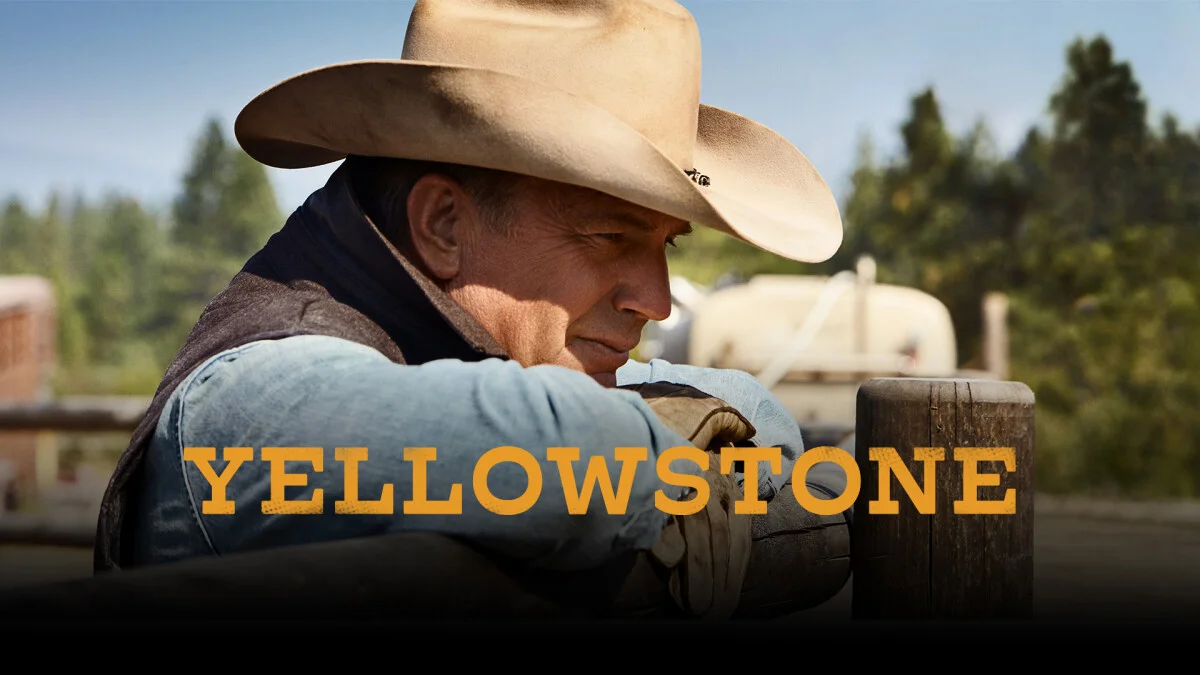
John Dutton isn't a hero. By the time the credits roll on Yellowstone Season 1 Episode 9, titled "The Unravelling: Part 2," that reality is pretty much set in stone. It’s the hour where Taylor Sheridan stopped introducing us to the world of the 6666 and the Broken Rock Reservation and started burning the whole thing down. Honestly, if you watched the pilot and thought this was just going to be a modern-day Bonanza with better horses, this finale was a cold bucket of water to the face.
The episode doesn't just wrap up the season; it acts as a bloody blueprint for the next four years of television. It’s messy. It’s violent.
What Actually Happened in Yellowstone Season 1 Episode 9
The stakes were sky-high heading into this finale. We had Dan Jenkins trying to take the land for a ski resort and Thomas Rainwater trying to take it back for the People. Then there’s John, played by Kevin Costner with that gravelly, "get off my lawn" intensity, realizing he’s fighting a war on about six different fronts.
One of the most pivotal moments—and one people still argue about in Reddit threads—is the fate of Dan Jenkins. Kayce Dutton, who is basically a walking personification of PTSD at this point, takes matters into his own hands. The scene where Kayce and the ranch hands string Dan up is haunting. It wasn't just about intimidation; it was a signal. It showed that the Duttons weren't just "protecting" their ranch; they were becoming the very villains the law is supposed to stop.
The Sheriff and the Corruption
The tension between John and Sheriff Donnie Haskell reaches a breaking point here. We see the crumbling of the institutional support John relied on. Haskell basically tells him the tide is turning. It’s a great bit of writing because it highlights the central theme of the whole series: the "Old West" is dying, and the "New West" doesn't care about your legacy or your family name. It cares about money and optics.
Why the Beth and Jamie Dynamic Peaked Here
If you want to talk about raw, uncomfortable television, you have to talk about Beth and Jamie in the finale. Their relationship is the toxic heart of the show. In Yellowstone Season 1 Episode 9, we see the sheer scale of Beth’s hatred. It’s not just sibling rivalry. It feels visceral. When she’s confronting him about his political ambitions and his perceived "betrayal" of the family, Kelly Reilly plays it with this terrifying, shaky-handed rage.
Jamie is desperate. He wants out, but he’s terrified of being alone. This episode sets up his run for Attorney General, which becomes a massive plot point later, but here, it’s all about the psychological trauma. He’s the "civilized" Dutton, and in John’s world, civilization is a weakness.
The Reality of the "Long Black Train"
We have to mention Walker. Ryan Bingham’s character brought a different energy to the bunkhouse. He’s the wandering minstrel who sees the ranch for what it really is: a cult. When he talks about the "Long Black Train," he’s talking about the branded men and the fact that once you’re in, you only leave in a pine box or a trip to the "train station." This episode solidifies the brand as a mark of ownership, not just loyalty. It’s dark stuff.
Actually, let's look at the numbers. While we don't have a live "2026 update" on S1 E9 ratings specifically, we know that Yellowstone grew its audience by nearly 50% between the premiere and this finale. People were hooked because Sheridan wasn't afraid to make his protagonists genuinely unlikable.
The Medical Twist
Then there's the health scare. John’s cancer (which we later find out is a ruptured ulcer, though it’s played as terminal for a while) adds this ticking-clock element to his desperation. He’s not just fighting for land; he’s fighting for a legacy he knows he won’t be around to see. It explains why he’s so reckless in the finale. He has nothing left to lose.
Misconceptions About the Finale
A lot of people think the season ends with the Duttons "winning." They didn't.
They survived. There’s a huge difference.
By the end of the episode, the walls are closing in. The investigation into the shootout from the first episode is still looming. Jamie is alienated. Kayce is drifting further into darkness. If you look at the series as a whole, Yellowstone Season 1 Episode 9 is actually the moment the Dutton family started to rot from the inside out.
I’ve seen some fans claim that Dan Jenkins died in this episode. He didn't. They let him down. But the psychological damage was done. He realized he wasn't playing a game of real estate; he was in a life-or-death struggle with people who don't follow the rules of the 21st century.
How to Re-Watch the Episode for Maximum Impact
If you’re going back to watch this, pay attention to the lighting. The cinematography by Ben Richardson in this season finale is incredibly moody. Notice how the Dutton ranch is often shrouded in shadows, while the "outside world" of the city or the reservation is bright and sharp. It’s visual storytelling at its best.
Also, listen to the score. Brian Tyler’s music in the final ten minutes of the episode is what gives it that operatic, tragic feel. It’s not a celebration. It’s a funeral march for the Duttons' morality.
Actionable Steps for Yellowstone Fans
If you've just finished the first season and you're wondering where to go next, here is how you should handle the rest of the Taylor Sheridan universe:
- Watch the Prequels: Don't just jump into Season 2. Take a break after the Season 1 finale and watch 1883. It gives so much context to why John is the way he is. Understanding the struggle of James and Margaret Dutton makes John's obsession with the land in Episode 9 feel much more grounded and less like simple greed.
- Analyze the Legal Maneuvers: Much of what happens in the finale regarding the land trust and the "eminent domain" threats are based on real-world Montana land disputes. If you’re a law nerd, looking up the actual history of land conservation easements in the West will make the Season 1 finale feel ten times more realistic.
- Track the Brand: Keep a tally of who gets branded starting from this episode. It’s the best way to see who is truly "safe" in the eyes of the writers and who is expendable.
- Look for the Symbolism: In the final scene, look at the horses. Horses in Yellowstone always represent the state of the characters' souls. When the horses are agitated, the characters are losing control.
The ending of the first season wasn't meant to be satisfying. It was meant to be a provocation. It asked the audience: "How far are you willing to see a family go to keep what’s theirs?" Turns out, the answer was "much further than we thought."
The "Unravelling" wasn't just a title. It was a promise. And by the time the screen went black, that promise was kept. If you're looking for a hero, you're watching the wrong show. But if you're looking for a gritty, uncompromising look at power and the cost of maintaining it, you’re exactly where you need to be.



