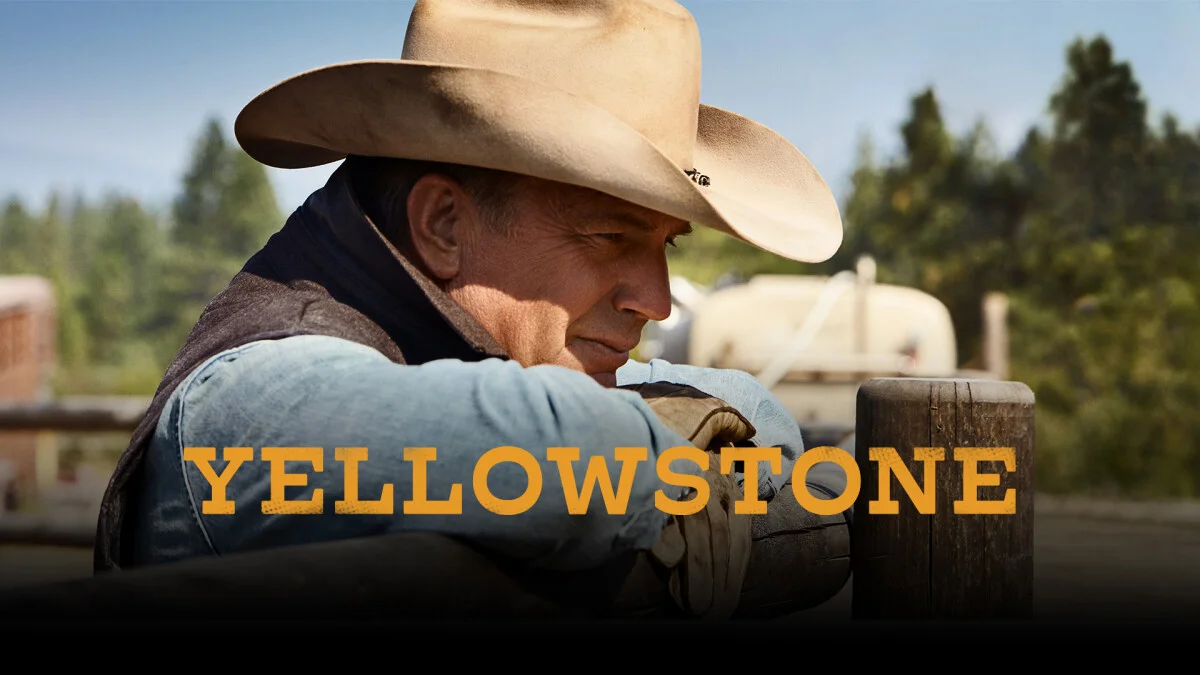
The dust never really settles in Montana. If the pilot of Taylor Sheridan’s neo-western was a sledgehammer to the chest, then Yellowstone Season 1 Episode 2, titled "Kill the Messenger," is the cold realization of the bruises left behind. It’s the morning after the bloodbath. Lee Dutton is dead. Robert Long is dead. And the high-stakes chess match for the future of the Yellowstone Ranch has officially moved from posturing to a desperate cover-up.
Watching this back, you realize how much groundwork was laid in these forty-odd minutes. It wasn't just about the plot. It was about defining who John Dutton is when he’s backed into a corner. He's a man who loses a son and, instead of just grieving, immediately starts calculating how to keep his other son out of prison. It’s brutal. Honestly, it’s kinda heartbreaking if you look past the grit.
The Cover-Up That Defined Kayce’s Path
Everything in Yellowstone Season 1 Episode 2 hinges on that messy, visceral shootout at the end of the premiere. Kayce Dutton is stuck. He’s a man between two worlds—his father’s empire and his wife’s family on the Broken Rock Reservation. When he killed Robert Long to save his brother Lee, he didn't just pull a trigger; he ignited a political powder keg.
John knows this.
He knows that if the ballistics report comes back showing Robert was shot with a high-end, military-grade round from a distance, Kayce is done. So, what does John do? He exerts the kind of terrifying, quiet power that makes this show work. He uses his influence over the medical examiner. We see the grim reality of the Duttons’ reach when the "suicide" of the coroner happens. It’s one of those moments where you realize this isn't just a show about cowboys. It's a show about a mafia family that just happens to wear Stetson hats and ride quarter horses.
The moral ambiguity here is thick. You want to root for Kayce because he was protecting his brother. But then you see the lengths John goes to—destroying evidence, intimidating officials—and you start to wonder if there are actually any "good guys" in this valley. Probably not. That's sort of the point.
Beth Dutton and the Art of Psychological Warfare
If you thought Beth was intense in the pilot, "Kill the Messenger" is where she really starts to sharpen the knife. She’s back at the ranch, and she’s bored, which is a dangerous combination for everyone around her. Her interactions with Jamie in this episode are particularly telling. She treats him like a nuisance, a "lawyer in a suit" who doesn't have the stomach for the family business.
There’s a specific scene where she’s soaking in a stock tank with a bottle of whiskey. It’s iconic. It’s also deeply sad. She’s mourning Lee in the only way she knows how: by becoming an untouchable, sharp-tongued force of nature. She tells Jamie that the ranch is a "graveyard," and she’s not wrong. Every acre of that land is soaked in blood, and Beth is the only one honest enough to say it out loud.
While the boys are out trying to hide bodies and fix legal problems, Beth is the one managing the emotional fallout—or at least, she's the one absorbing it so John doesn't have to.
Rainwater and the Long Game
On the other side of the fence, we get more of Thomas Rainwater. He’s not a villain. Let’s get that straight. If you look at the history of the land, Rainwater is the one trying to reclaim what was stolen. In Yellowstone Season 1 Episode 2, we see his sophistication. He’s not interested in a shootout in a field; he’s interested in using the law and the media to squeeze John Dutton until he pops.
The tension between the reservation and the ranch isn't just about cattle anymore. It's about a clash of civilizations. Rainwater knows that the world is changing. He knows that "old school" guys like John are a dying breed. This episode shows him beginning to tighten the noose, realizing that the death of Robert Long is a lever he can use against the Duttons. It’s a brilliant contrast to John’s brute-force methods.
The Technical Reality of "Kill the Messenger"
Taylor Sheridan, who wrote and directed this, has a very specific style. It’s sparse.
The dialogue isn't wasted.
The cinematography by Ben Richardson captures the vastness of the Montana wilderness in a way that makes the characters look small and insignificant. It’s a visual reminder that no matter how much land John Dutton "owns," the land itself doesn't care about his legacy.
One detail that people often miss is the authenticity of the ranching operations. The scenes with the horses aren't just filler. They show the labor required to maintain this life. When Kayce is breaking that horse, it’s a metaphor for his own life—trying to tame something wild and dangerous while knowing he might get thrown at any second.
Why This Episode Still Matters in 2026
Looking back at the series from the perspective of later seasons, Yellowstone Season 1 Episode 2 is the DNA of everything that follows. You see the seeds of Jamie’s resentment. You see Kayce’s inability to escape his father’s shadow. You see the beginning of the end for the traditional American West.
Most people get it wrong—they think the show is just about the action. But "Kill the Messenger" proves it’s a character study. It’s about the burden of inheritance. John Dutton is trying to save a world that is actively trying to erase him.
The episode ends on a haunting note. The evidence is gone, but the guilt remains. Kayce is back home with Monica and Tate, pretending everything is fine, but we know it isn't. The secret is out there. And in the world of Yellowstone, secrets have a way of digging themselves up.
Key Insights for Fans and New Viewers
If you're rewatching or just starting out, keep your eyes on the background players. The livestock agents, the local deputies—these are the people who see the cracks in the Dutton empire first.
- Watch the Ballistics: Pay attention to the conversation about the 5.56 rounds. It’s a major plot point that ripples through the first two seasons.
- Beth’s Motivation: Notice how she only acts out when she feels the family is threatened. Her cruelty is a shield.
- The Creek Scene: The moment where Kayce finds the old bones in the creek is a direct parallel to the bodies he just buried. History repeats itself in the valley.
The best way to appreciate the complexity of this episode is to look at the power dynamics. John Dutton isn't just a rancher; he's the de facto king of a shrinking kingdom. "Kill the Messenger" shows us exactly what he's willing to sacrifice to keep his crown. It’s not just money or land. It’s his soul, and the souls of his children.
If you're following the trajectory of the series, the next logical step is to analyze how the political alliances formed in this episode—specifically between the Governor's office and the ranch—dictate the legal battles of Season 2. Pay close attention to the way Jamie handles the autopsy report, as it sets the stage for his eventual fallout with John. You should also look into the real-world filming locations in the Bitterroot Valley to see how the landscape itself dictates the movement of the plot.
---



