Look, let’s be real for a second. If you’re heading to Wyoming, you’re probably overwhelmed by the sheer scale of the place. Yellowstone is massive. It’s bigger than Rhode Island and Delaware combined. Trying to see it all in a day is a fool's errand, but most people still try. That’s why everyone starts looking at the Yellowstone National Park Circle of Fire tour. It’s basically the "greatest hits" album of the park’s Lower Loop.
But does it live up to the hype? Honestly, it depends on whether you like driving or if you’d rather someone else handle the buffalo jams while you stare out the window.
The name sounds intense, right? "Circle of Fire." It makes you think of Johnny Cash or maybe a literal ring of lava. In reality, it refers to the path around the Yellowstone Caldera—the supervolcano that powers all those bubbling mud pots and explosive geysers. This tour is the classic choice for first-timers because it hits the iconic spots: Old Faithful, Lake Yellowstone, and the Grand Canyon of the Yellowstone.
What the Yellowstone National Park Circle of Fire Tour Actually Covers
You’re basically doing a giant loop. Most tours depart from West Yellowstone or inside the park at places like the Lake Hotel or Old Faithful Inn. The route follows the Lower Loop Road, which is roughly 96 miles of pavement winding through some of the most geologically active terrain on the planet.
First off, you’re going to see Old Faithful. It’s mandatory. If you go to Yellowstone and don’t see Old Faithful, did you even go? The tour operators time the arrival so you can catch an eruption, which happens roughly every 90 minutes or so. It’s a bit of a circus there, with hundreds of people sitting on benches with iPhones out, but the power of that water shooting 180 feet into the air is still pretty cool to witness in person.
Then there’s the Fountain Paint Pot. This is where you see all four of the park's hydrothermal features in one spot: geysers, hot springs, mud pots, and fumaroles (steam vents). It smells like rotten eggs because of the sulfur. You'll get used to it. The bacterial mats here create these wild oranges and greens that look like something from a sci-fi movie.
The Canyon and the Lake
Most people forget that Yellowstone has a "Grand Canyon." It’s not the Grand Canyon, obviously, but the Grand Canyon of the Yellowstone is stunning. The rhyolite rock has been chemically weathered into these brilliant yellows and reds—hence the name "Yellowstone." The Lower Falls is twice as high as Niagara. It’s loud. It’s misty. It’s intimidating.
You’ll also hit Yellowstone Lake. It’s the largest high-elevation lake in North America. The water is freezing—literally, it stays around 41 degrees Fahrenheit year-round—but the views across the water toward the Absaroka Range are incredible.
The Logistics Nobody Tells You About
Tour buses are a vibe. Some people love them because they can drink coffee and look for grizzly bears while a guide explains the nitrogen cycle. Others hate being on a schedule. If you’re the type who likes to spend three hours photographing a single bison, a structured tour might drive you crazy.
- The "Bison Jam" Factor: Wildlife doesn't care about your itinerary. If a herd of bison decides to walk down the middle of the road, you're stuck. A professional driver knows how to navigate this, but it can eat into your sightseeing time.
- The Altitude: You’re at 7,000 to 8,000 feet. You will get winded walking up a flight of stairs. Drink more water than you think you need.
- The Crowds: Mid-summer is a madhouse. The Circle of Fire route is the busiest part of the park.
One thing that’s actually great about the Yellowstone National Park Circle of Fire tour is the history. The guides usually work for Xanterra (the park's main concessionaire) or local outfits like See Yellowstone. They know the stories. They’ll tell you about the 1988 fires or the 1959 Hebgen Lake earthquake. That context makes the scenery mean a lot more than just "hey, look at that big hole in the ground."
Is it Better to Drive Yourself?
Maybe. If you have a rental car and a good GPS, you can do the Lower Loop on your own. You save money. You can stop for a sandwich whenever you want.
But here’s the catch: parking.
In July, finding a parking spot at the Grand Prismatic Overlook is like winning the lottery. It's stressful. On a tour, the driver drops you off at the trailhead and goes to find a spot. You just walk. That convenience is worth the price of admission for a lot of people, especially families with kids or older travelers who don't want to hike two miles from an overflow parking lot.
The Geothermal Weirdness
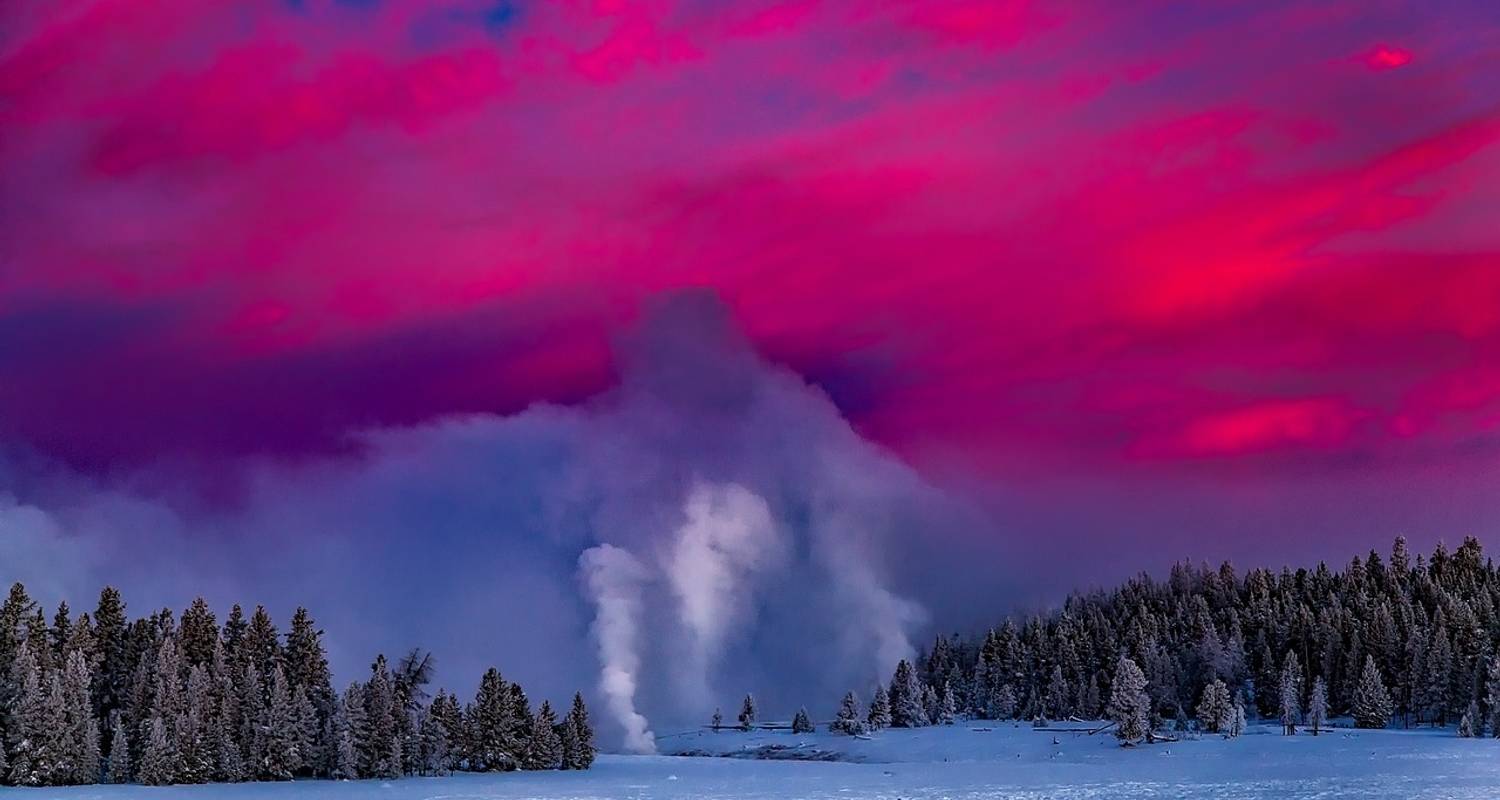
Let's talk about the "Fire" part of the name. You are literally standing on top of a giant magma chamber. The heat under your feet is what makes the tour unique. At places like the Upper Geyser Basin, the ground is literally breathing.
Most people don't realize that Yellowstone has half of the world's geothermal features. That's why the Circle of Fire is the "standard" tour—it focuses on the stuff you can't see anywhere else. You can see mountains in Colorado or lakes in Minnesota, but you can't see a literal hole in the earth vomiting boiling water every hour anywhere else in the U.S.
What Most People Get Wrong
People think they’ll see every animal in the park on this tour. You might see bison—actually, you almost certainly will see bison. They're everywhere. But wolves? Probably not. Grizzlies? It's a gamble. The Circle of Fire stays mostly on the main roads where there's a lot of traffic. If you want serious wildlife viewing, you usually have to head north to the Lamar Valley at dawn, which isn't part of this specific loop.
Planning Your Trip
If you’re going to book this, do it early. Like, months in advance. These tours sell out fast, especially the ones leaving from the historic park hotels.
- Bring layers. It can be 35 degrees in the morning and 85 by noon.
- Pack snacks. Park food is expensive and honestly kind of mediocre.
- Binoculars are a must. Even if the bear is a mile away, you'll want to see it.
- Charge your batteries. Your phone will die because it’s constantly searching for a signal that doesn’t exist.
The Yellowstone National Park Circle of Fire tour is a marathon, not a sprint. You’re looking at an 8 to 10-hour day. It’s exhausting, but it’s the most efficient way to see the "hits" without losing your mind in traffic.
Final Actionable Steps
If you’re ready to pull the trigger on a tour, here is exactly what you should do next to ensure you don't end up disappointed:
- Check the departure point: Ensure your tour leaves from a location convenient to your lodging. If you're staying in Bozeman, driving to West Yellowstone for an 8:00 AM departure means a very early wake-up call.
- Verify the vehicle type: Some tours use large motorcoaches (cheaper, more amenities) while others use small 14-passenger vans (more intimate, easier to talk to the guide). Choose based on your comfort level with crowds.
- Download offline maps: Even if you're on a tour, download the Google Maps area for Yellowstone. It helps you track where you are and identify peaks or features the guide might mention in passing.
- Book the "Yellowstone In-Park" tours first: If they are available, the tours run by the official park concessionaire (Xanterra) often have the best access and historical data, though local private companies often offer more "luxury" perks like better lunches.
Don't overthink the "best" time to go—just go. Whether it's the steam rising in the crisp September air or the frantic energy of a July afternoon, the Circle of Fire delivers exactly what it promises: a front-row seat to the most volatile and beautiful landscape in North America.