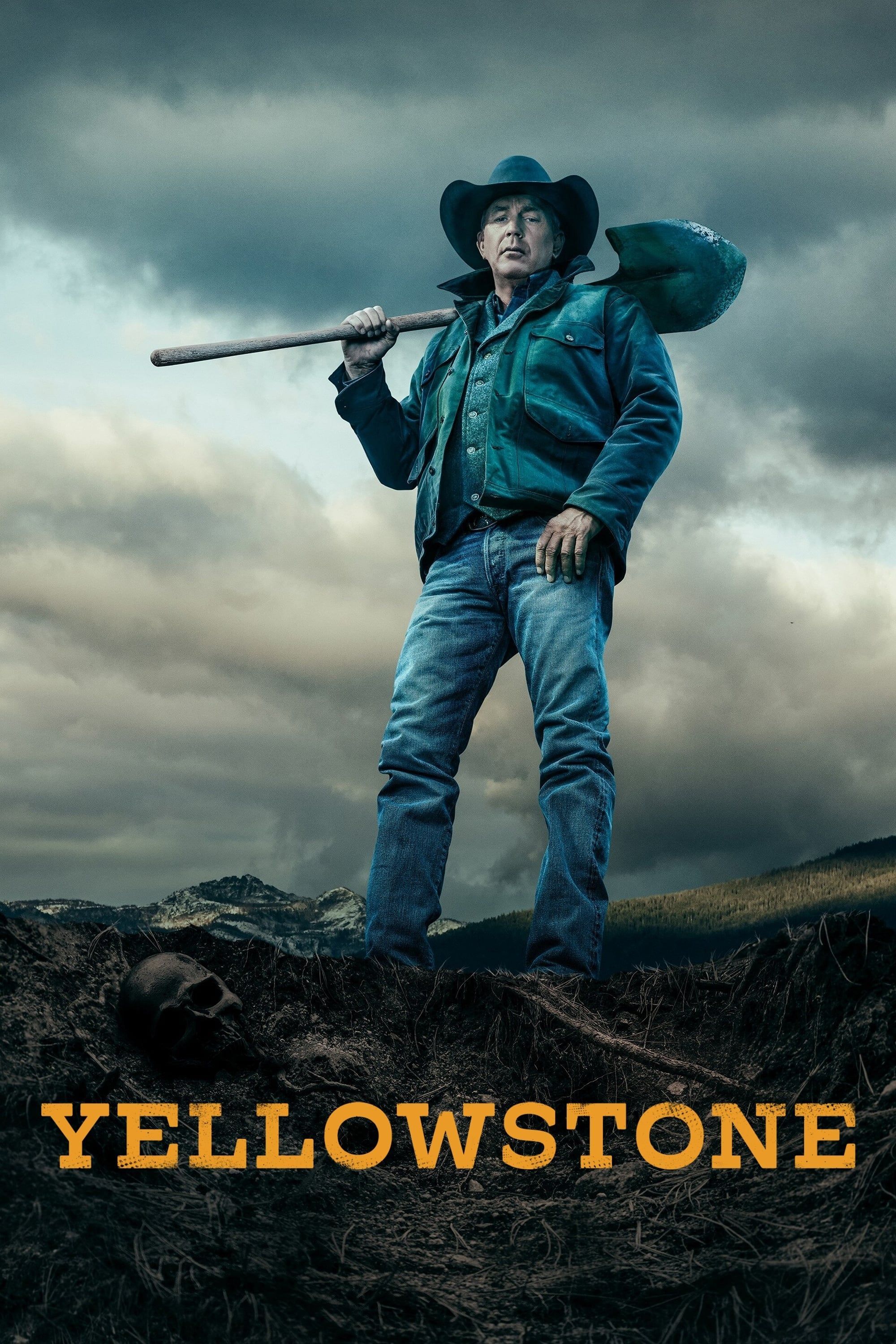
Honestly, it’s still hard to process. For years, John Dutton wasn't just a character; he was the sun that the entire Yellowstone TV show orbited around. You couldn’t imagine the ranch without him. But as we saw in the explosive return of Season 5, the unthinkable happened. John Dutton is dead.
It wasn't a hero’s death. He didn't go out in a blaze of glory defending the fence line or taking a bullet for one of his kids. Instead, the patriarch was found on the floor of the Governor’s mansion, a crime scene staged to look like a desperate man taking his own life.
The Brutal Reality of John's Exit
Let’s get the facts straight because the internet is still a mess of theories. In the Season 5, Part 2 premiere, we find out John was assassinated. This wasn't some random act of violence. Sarah Atwood, acting as the shark for Market Equities, hired a professional hitman to take John off the board. She did it to pave the way for Jamie Dutton to take power, though Jamie’s reaction—a mix of horror and opportunistic pivot—suggests he didn't realize she’d actually pull the trigger so soon.
The show used a body double for these scenes. Kevin Costner was nowhere to be found.
It felt cold. Maybe even a little disrespectful to some fans who had invested five years into this man’s journey. But from a narrative standpoint, Taylor Sheridan was backed into a corner. When the lead actor leaves the biggest show on television, you don't have many options that don't involve a funeral.
Why Kevin Costner Actually Left
The drama off-camera was almost as intense as the scripts. For a long time, the narrative was that Costner only wanted to work one week on the back half of the season. Costner later pushed back on this, claiming he had a contract for seasons six and seven that Paramount essentially walked away from.
Basically, it came down to a massive "gap" in production.
There was a 14-month delay where nothing was moving. During that time, Costner shifted his focus to his passion project, the multi-part Western epic Horizon: An American Saga. When Yellowstone was finally ready to shoot, the schedules collided. Costner couldn’t be in two places at once, and the relationship between him and Sheridan seemingly soured.
He even mentioned in a child support hearing that he’d probably end up in court over the whole "pay or play" situation regarding his salary for the final episodes. It’s a messy, corporate ending for a character who lived by a code of dirt and blood.
The Two Versions of John Dutton
While Costner’s departure looms large, we can’t forget what Josh Lucas brought to the table. Lucas played the younger John Dutton in flashbacks that became increasingly vital to the story.
He didn't just mimic Costner. He captured that specific, quiet ferocity of a man who hadn't yet been beaten down by time, but was already losing his soul to the land.
- The 1990s John: Ambitious, slightly more volatile, and deeply in love with his wife, Evelyn.
- The Modern John: A man who viewed his children as tools to protect a legacy they didn't even want.
Josh Lucas has often said he felt an "intense responsibility" to get the weight of the character right. He even mentioned dreaming about the role. That dedication is why those flashback scenes felt like a different show entirely—one that explored why John became the "alpha wolf" we saw in Season 1.
What Most People Get Wrong About the Ranch's Fate
There’s a common misconception that John’s death was the end of the ranch. It wasn't. In the series finale, the fate of the Yellowstone Dutton Ranch finally took a turn that John would have both hated and respected.
The land didn't go to developers. It didn't become a ski resort.
Instead, Kayce and Beth sold the vast majority of the 900,000 acres to Thomas Rainwater and the Broken Rock Tribe for $1.25 an acre. It was a "pennies on the dollar" deal with a massive catch: the land must remain an environmental preserve. It can never be developed. In a way, John won. He kept the concrete away, even if his family name isn't the one on the deed anymore.
The Legacy of a Tyrant
Was John Dutton a good man? Probably not. He branded his employees like cattle. He treated Jamie like a leper and Beth like a weapon. He spent his final days as Governor of Montana using his power specifically to kill any progress that threatened his view of the world.
But he was consistent. He told us from the first episode that he would do anything to keep the ranch together. He just didn't realize that in the process of saving the land, he was destroying the people who were supposed to inherit it.
What You Should Do Next
If you’re still reeling from the Yellowstone TV show finale and the loss of John Dutton, there are a few ways to fill that void. First, go back and watch the 1883 and 1923 prequels. They provide the context for John’s obsession; you see the literal blood that was spilled to get that land in the first place.
Second, keep an eye out for the upcoming spinoff, The Madison (formerly titled 2024). While John is gone, the world he built is still expanding.
Finally, if you want to see the "authentic" John Dutton one last time, revisit Season 1. The character was much darker then—more of a villain, less of a misunderstood hero. It reminds you that no matter how much we liked Kevin Costner, John Dutton was always a man destined for a violent end.
Keep your eyes on the official Paramount announcements for the 1944 prequel, which is rumored to feature more of the Dutton lineage leading up to John’s birth. The story of the ranch didn't die with the patriarch; it just changed hands.
Actionable Insight: To fully understand John Dutton’s motivations, re-watch the Season 2 episode "A Thundering." It reveals the "cancer" scare was actually a ruptured ulcer, a pivotal moment where John realizes he has more time than he thought—only to realize he has no idea how to spend it without a fight.



