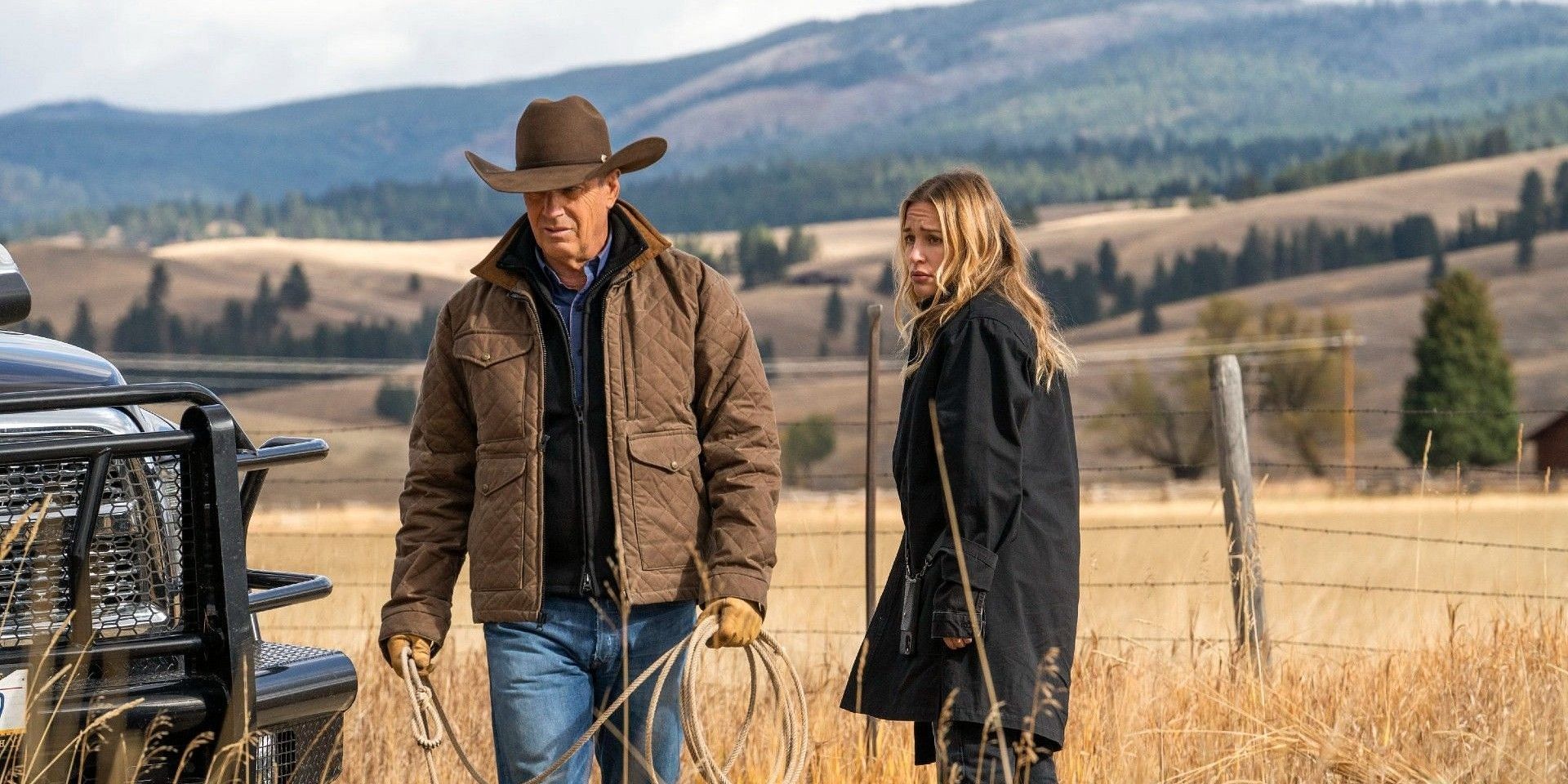
The wait was exhausting. Honestly, tracking the Yellowstone episodes season 5 timeline felt like a full-time job for most of us. Between the Taylor Sheridan-Kevin Costner drama and the Hollywood strikes, the ranch felt further away than ever. But now that we've seen the dust settle on the Montana horizon, it's clear this wasn't just another season. It was a massive, messy, and surprisingly emotional pivot point for the most successful show on cable.
John Dutton is Governor now. That changed everything.
The shift from the ranch to the capitol building in Helena felt jarring at first. We’re used to seeing John on a horse, not behind a mahogany desk. But that’s the point. Season 5 isn't just about land; it's about the suffocating weight of a legacy that might be dying. The premiere, "One Hundred Years is Nothing," set a tone that felt more like a funeral than a celebration of victory. It's bleak. It’s gritty. And it’s exactly what fans were craving after the cliffhangers of season 4.
Why the Split Schedule Changed the Vibe
Let’s be real—the mid-season break was a killer. The first eight episodes aired way back in late 2022 and early 2023. Then, silence. For a long time, we weren't even sure if the second half would ever exist.
This gap created a weird phenomenon where the first half of the season feels like a different era of the show. We watched Beth and Jamie's sibling rivalry escalate into a literal death match. We saw Kayce and Monica grapple with a devastating loss that felt grounded and raw compared to the usual shootout-of-the-week. When you look at the Yellowstone episodes season 5 lineup, you see a show trying to grow up. It stopped relying solely on "bad guys of the week" and started looking inward at the rot inside the Dutton family tree.
The tension between Beth and Jamie reached a point of no return. It’s not just bickering anymore. We're talking about mutually assured destruction. Beth’s discovery of Jamie’s secret son and his alliance with Sarah Atwood—who is basically a corporate predator in a power suit—turned the stakes from personal to existential.
Breaking Down the Key Episodes
If you’re rewatching, some episodes clearly carry more weight than others. "The Sting of Wisdom" showed us John's first real moves as Governor, and they weren't pretty. He’s not a politician; he’s a dictator with a badge. He canceled the airport project and the resort developments, basically declaring war on Market Equities.
Then you have "Watch 'Em Ride Away." This was a throwback to the classic Yellowstone vibe. The ranch hands heading out for the branding—it was cinematic gold. Director Stephen Kay really leaned into the "western" part of the neo-western here. It reminded us why we fell in love with the show: the horses, the landscape, and the silence. It provided a necessary breather before the political knives came back out.
The mid-season finale, "A Knife and No Coin," left everyone reeling. Jamie finally pulled the trigger on his father, calling for impeachment. It was the ultimate betrayal. But let's look at it from Jamie's perspective for a second. He's been the family's punching bag for decades. Is he the villain? Or is he just a product of John’s cold, manipulative parenting? The show thrives in that grey area.
The Costner Factor
We have to talk about the elephant in the room. Kevin Costner’s exit from the series changed the trajectory of the back half of the season. Rumors flew about scheduling conflicts with his Horizon project. Regardless of the behind-the-scenes politics, the writers had to pivot. Hard.
Without John Dutton as the central sun that every other character orbits, the show had to find a new heart. This meant more screen time for Rip and the bunkhouse crew. It meant Beth had to step up as the primary defender of the ranch. The shift felt organic in some places and forced in others. You can tell where scripts were likely rewritten to accommodate the lack of a certain patriarch.
The Themes Nobody Talks About
Everyone focuses on the violence, but season 5 is actually obsessed with conservation.
John’s move to put the ranch into a conservation easement is a genius—and incredibly risky—legal maneuver. It’s his way of ensuring the land can never be developed, even if the family loses it. It’s a middle finger to the future. It’s John saying, "If I can’t have it, nobody can." This isn't just about cows. It's about the clash between the Old West and the New West.
Market Equities represents the inevitable creep of "progress." They want the Starbucks, the ski resorts, and the private jets. John wants the dirt and the sagebrush. It’s a battle that’s actually happening in places like Bozeman and Missoula right now. The show gets a lot of flak for being "soap opera for men," but its commentary on land use and rural identity is actually pretty sharp.
What Most People Miss About the Bunkhouse
The bunkhouse scenes in the fifth season took on a more nostalgic quality. With the threat of the ranch’s future looming, the moments between Teeter, Colby, and Ryan felt more precious.
When half the crew had to head down to Texas to move the cattle, it split the narrative in a way we hadn't seen before. This introduced us to the 6666 Ranch (The Four Sixes) in a more meaningful way. It wasn't just a spin-off setup; it was a way to show that the "cowboy way" is struggling everywhere, not just in Montana.
Actionable Insights for Fans and Newcomers
If you're diving into the Yellowstone episodes season 5 for the first time or doing a refresher, keep these things in mind to get the most out of the experience:
- Watch the Pacing: The first half is slow. It’s a build-up. Don't expect a shootout in every episode. It’s a political thriller disguised as a western.
- Track the Legal Moves: Pay attention to the talk about "easements" and "impeachment." These aren't just filler; they are the primary weapons used in the back half of the season.
- Look at the Wardrobe: It sounds silly, but the way Beth’s clothing changes when she’s in the city versus the ranch tells you exactly where her mental state is.
- Follow the Music: Brian Tyler’s score is more somber this season. The use of Americana and country tracks is curated to highlight the "dying breed" theme.
- Context Matters: Remember that the gap between Episode 8 and Episode 9 was nearly two years. The jump in tone reflects that real-world passage of time.
The legacy of these episodes will likely be defined by how they managed to wrap up (or transition) such a massive cultural phenomenon without its lead actor. It’s a feat of storytelling acrobatics. Whether you think the Duttons are heroes or monsters, the fifth season forces you to acknowledge that their time is running out. The walls are closing in, and the fight to keep the wolves at bay has never been more desperate.
To truly understand the ending, look back at the flashback scenes with young John and young Beth. They provide the roadmap for the trauma that drives every decision in the present day. Everything happening now was set in motion thirty years ago. The ranch doesn't forget, and it certainly doesn't forgive. Use a streaming service that allows for 4K viewing if possible; the cinematography of the Montana wilderness in the later episodes is arguably the best the series has ever produced. Focus on the subtext of the conversations between Rainwater and John; their uneasy alliance is the most fascinating political dynamic in the show's history. Observe how the power dynamics shift when characters are forced out of their natural habitats—John in the office, Rip on the road, and Jamie in the shadows. This is where the real character development happens.



