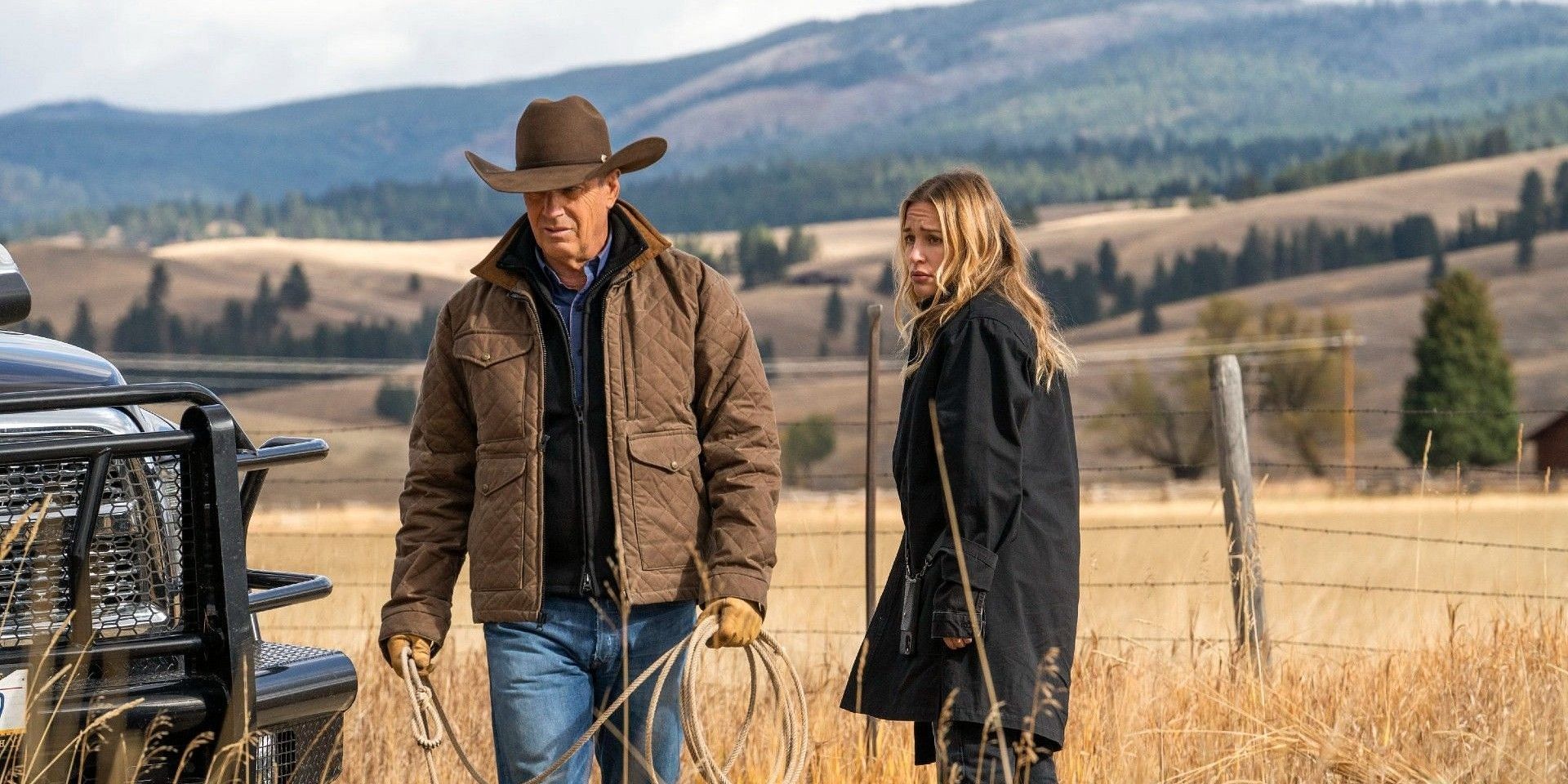
It’s hard to remember a time before Kevin Costner’s John Dutton was a household name. Before the cowboy hats, the sprawling Montana vistas, and the "Beth Dutton energy" memes took over social media, there was just a 90-minute pilot on a cable network most people only associated with Spike TV reruns. When you look back at Yellowstone episodes season 1, you’re not just seeing the start of a hit show; you're witnessing the birth of a modern Western empire that basically saved the "Dad TV" genre. It wasn't always a guaranteed success.
Taylor Sheridan, the mastermind behind the script, had to fight to get this made. Paramount Network took a massive gamble on a show that felt, at the time, a bit old-school. But then that first episode aired. It was brutal.
Honestly, the first season is darker than people recall. Most fans who jumped on the bandwagon during the later seasons forget that the Dutton family actually lost a major player in the very first episode. It wasn't all just posturing in a boardroom; it was blood in the dirt from day one.
The Pilot That Set the Stakes
The first of the Yellowstone episodes season 1, titled "Daybreak," is a masterclass in world-building. We get introduced to the ranch—a massive, sprawling piece of land that John Dutton guards like a medieval king. The conflict is immediate. You've got the developers led by Dan Jenkins wanting to turn the wilderness into a resort, and the Broken Rock Reservation, led by Chief Thomas Rainwater, wanting their ancestral land back.
John Dutton is a complicated guy. He isn't a hero. Not really. He's a man trying to hold onto a dying way of life by any means necessary. In the pilot, we see him literally putting a horse out of its misery after an accident, which is a pretty heavy-handed but effective metaphor for how he treats his own life. Everything is about survival.
Then comes the big shock. Lee Dutton, the oldest son and the one most like John, gets killed in a cattle dispute.
It changed everything.
Most shows would have kept the "loyal son" around for three seasons before killing him off for a ratings boost. Sheridan did it in 90 minutes. It forced the other siblings—Kayce, Beth, and Jamie—into roles they weren't ready for. Kayce, the estranged son living on the reservation, is suddenly pulled back into his father's orbit. Beth, the corporate shark with a soul made of broken glass, returns to provide the "muscle" John needs in the courtroom and the boardroom. Jamie? Well, Jamie just tries to be loved, which we all know goes poorly for him.
Breaking Down the Middle Stretch
After the explosive start, Yellowstone episodes season 1 slows down just enough to let the characters breathe, but the tension never really drops. Episode 2, "Kill the Messenger," deals with the fallout of the shootout. We start to see the legal cover-ups that define the series. It's not just about who pulls the trigger; it's about who owns the coroner and the sheriff.
Kayce is the heart of this season. Luke Grimes plays him with this quiet, vibrating intensity. He’s a guy who just wants to be a father and a husband to Monica, but the "Dutton" name is like a curse. Every time he tries to walk away, something pulls him back. In episode 3, "No Good Horses," we get flashbacks to the family's mother, Evelyn Dutton.
That horse-riding accident? That explains why Beth is the way she is. Watching your mother die because you were afraid to lead a horse is the kind of trauma that produces a person who wants to burn the world down. Kelly Reilly’s performance here is what anchored the show. Without Beth, Yellowstone is just another ranch drama. With her, it’s a Shakespearean tragedy with better outfits.
The mid-season episodes like "The Long Ride Home" and "Coming Home" focus heavily on the internal politics of the ranch. We get introduced to the "branded" men. This is one of those details people find fascinating and terrifying. If you work for the Yellowstone and you’ve "proven" yourself—usually by committing a crime for the family—you get a literal brand on your chest. It's a cult. A very high-end, profitable cult.
Politics, Land, and the Dan Jenkins Problem
By the time we hit the later Yellowstone episodes season 1 entries, the walls are closing in. Dan Jenkins, played with a perfect level of "clueless city guy" arrogance by Danny Huston, realizes he isn't in a normal land dispute. He thinks he can sue his way into Montana.
He's wrong.
Episode 7, "A Monster Is Among Us," and Episode 8, "The Unravelling: Part 1," show the Duttons at their most desperate. John is facing health issues—that colon cancer scare that he keeps hidden—and the wolves are at the door. Rainwater is making moves that are actually legal and smart, which makes him a much more dangerous antagonist than Jenkins. Rainwater doesn't want to build a hotel; he wants to reclaim a legacy.
The interplay between Costner and Gil Birmingham (Rainwater) is some of the best acting in the whole series. They respect each other, but they both know only one of them can win. It’s a zero-sum game.
That Season 1 Finale: No Turning Back
The finale, "The Unravelling: Part 2," is where the mask fully slips. We see just how far the Duttons will go. The scene where Beth basically dismantles Dan Jenkins’ life is legendary. But it’s the physical violence that sticks.
Rip Wheeler. We have to talk about Rip.
In the first season, Rip isn't the romantic lead he becomes later. He’s a fixer. He’s the guy who does the things John can’t. By the end of the season, the body count has risen, the legal threats have intensified, and the family is more fractured than ever despite living under the same roof.
The season ends not with a victory, but with a temporary hold. They survived the year. That's the only win they get. It set the template for every season that followed: the Duttons against the world, and often, the Duttons against themselves.
Why People Still Re-watch Season 1
There’s a grit in these early episodes that feels a bit more grounded than the later, more "operatic" seasons. In the beginning, the stakes felt personal. It was about a father losing a son and trying not to lose his soul.
The cinematography by Ben Richardson captured the Montana landscape in a way that made the land itself a character. You can almost smell the pine and the horse sweat. It’s a tactile show.
If you're revisiting the Yellowstone episodes season 1, look for the small moments:
- The way John talks to his grandson, Tate. It’s the only time he’s truly soft.
- The silent stares between Rip and Beth that hint at a decades-long history.
- The sheer isolation of the ranch. It looks like paradise, but it feels like a fortress.
Actionable Steps for the Ultimate Yellowstone Experience
If you're planning a re-watch or jumping in for the first time, don't just binge it in the background while scrolling on your phone. You’ll miss the nuances.
Watch the "Behind the Story" featurettes. Paramount released short breakdowns for almost every episode in season 1. They feature Taylor Sheridan explaining the "cowboy logic" behind certain scenes. It changes how you view John's decisions.
Pay attention to the music. The soundtrack, featuring artists like Whiskey Myers, helped define the "Neo-Western" vibe. The music isn't just background noise; it's a window into the characters' internal lives.
Track the legal chess match. Season 1 is as much a legal thriller as it is a Western. Keep track of the conservation easements and the eminent domain threats. It makes the "action" scenes feel much more earned when you understand the paperwork that led to the gunfire.
Verify the filming locations. While the show is set in Montana, a huge chunk of Season 1 was actually filmed in Utah. If you're a travel nut, you can actually visit the Chief Joseph Ranch in Darby, Montana, which serves as the real-life Dutton ranch. They even rent out cabins when they aren't filming.
The legacy of these first nine episodes is massive. They didn't just launch a show; they launched a dozen spin-offs and changed how networks view rural audiences. But at its heart, it's just a story about a man who loves a piece of dirt more than almost anything else.
Next Steps for Fans:
- Check out the 1883 prequel after finishing Season 1 to see the origin of the land obsession.
- Research the real-life land disputes in the Gallatin Valley to see how much of the "fiction" is based on actual Montana tension.
- Look into the "Yellowstone" cowboy camp where the actors had to learn to actually ride and rope before filming began.



