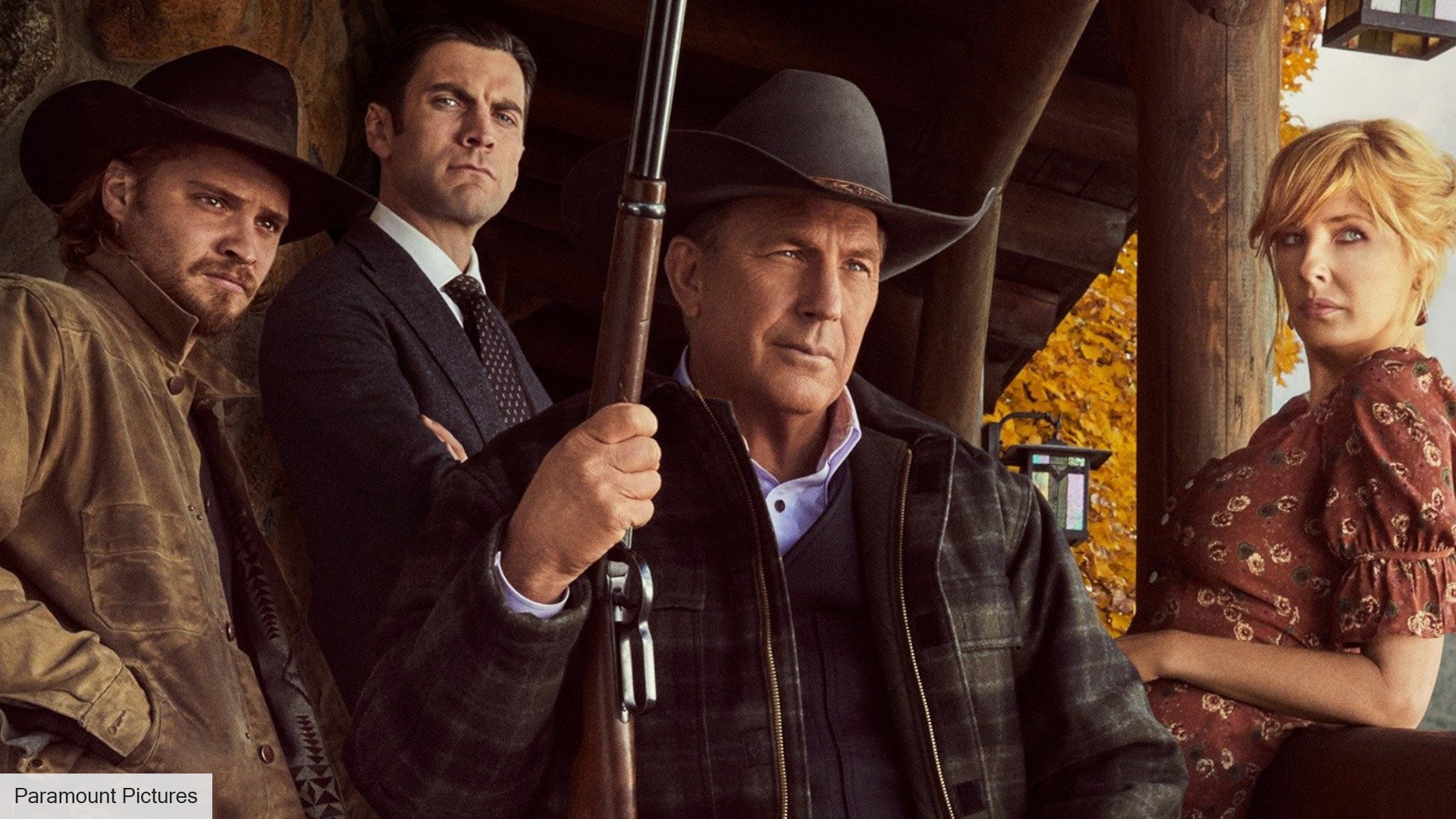
Kevin Costner. Let’s just start there. When the news broke that he was officially hanging up his Stetson and leaving the ranch, the internet basically imploded. It’s hard to imagine cast members of Yellowstone without the man who anchored the entire ship, but that’s the reality fans are grappling with in 2026. The show wasn't just a hit; it was a phenomenon that redefined how we think about "prestige" TV, often by leaning into the grit of the American West rather than the gloss of Hollywood.
People watch for the drama, sure. But mostly, they watch for the people. You’ve got this weird, toxic, beautiful family dynamic that feels like Succession but with more dirt under the fingernails and significantly more horses.
The Costner Sized Hole and the Remaining Duttons
It’s no secret that Kevin Costner’s John Dutton was the gravity of the show. His departure after the messy, public scheduling conflicts regarding Part 2 of Season 5 felt like a tectonic shift. But honestly? The show has always survived because of the ensemble.
Take Kelly Reilly. Her portrayal of Beth Dutton is nothing short of Shakespearean, if Shakespeare wrote about corporate raiding and chain-smoking. Reilly, a British actress who sounds nothing like Beth in real life, managed to create a character that is simultaneously the most hated and most loved person on screen. Then there’s Cole Hauser as Rip Wheeler. Before this, Hauser was a solid character actor you might recognize from Dazed and Confused or Good Will Hunting. Now? He’s a bona fide icon. He brought a silence to the role that most actors would try to fill with dialogue. He realized that Rip is scarier when he’s just staring at you.
Luke Grimes and Wes Bentley round out the siblings, and the contrast couldn't be sharper. Grimes plays Kayce with a sort of weary, soul-crushed idealism. Bentley, on the other hand, plays Jamie Dutton with a twitchy, desperate energy that makes you want to reach through the screen and either hug him or push him off a cliff. Usually the latter. This core group of cast members of Yellowstone turned a ranching soap opera into a high-stakes tragedy.
Why the Supporting Cast Actually Matters More
If you only look at the Duttons, you’re missing the point of why Taylor Sheridan’s world feels so lived-in. The bunkhouse. That’s where the heart is.
- Forrie J. Smith (Lloyd): A real-life cowboy. He wasn’t just acting; he was bringing decades of actual rodeo and ranching experience to the set. When Lloyd talks about the "brand," you believe him because Smith has the scars to prove he knows the life.
- Ian Bohen and Denim Richards: As Ryan and Colby, they provide the levity. You need the jokes. You need the banter. Without them, the show would be too dark to breathe.
- Gil Birmingham: His Thomas Rainwater is arguably the smartest person in the entire series. Birmingham brings a quiet, calculating dignity to the role that challenges the Duttons' moral authority without needing to scream about it.
The Realism Factor: Cowboys Who Can Actually Ride
One of the biggest gripes you’ll hear from actual ranchers about Westerns is that the actors look like they’ve never seen a horse before. Sheridan solved this by putting the cast members of Yellowstone through "Cowboy Camp."
It wasn't a PR stunt. It was a grueling multi-day trek where actors like Jefferson White (Jimmy) had to learn how to exist in the saddle. White is a great example of the show's brilliance. Jimmy started as a "tweak" who didn't know a bridle from a bucket. Watching his character—and the actor's own physical comfort—evolve into a legitimate horseman over five seasons was one of the most rewarding arcs on television.
It’s that commitment to the craft that separates this cast from a generic network procedural. They aren't just hitting marks; they're learning a trade. This creates a level of physical authenticity that Google’s E-E-A-T guidelines actually value—experience and expertise. When you see Mo Brings Plenty on screen, you’re seeing a man who serves as a cultural advisor for the show, ensuring the representation of the Confederated Salish and Kootenai Tribes is handled with more than just a passing glance at a script.
The Paychecks: What Does It Cost to Build a Dynasty?
Money talks. Especially in Montana. Reports have swirled for years about the salaries of the cast members of Yellowstone. At his peak, Kevin Costner was reportedly pulling in north of $1.2 million per episode. That puts him in the upper echelon of TV history, alongside the likes of the Friends cast or the Big Bang Theory leads.
But the wealth is spreading. As the show’s popularity skyrocketed, the core "kids"—Reilly, Hauser, Grimes, and Bentley—saw their leverage increase significantly. Industry insiders suggest that for the final stretches and potential spin-offs, these actors are commanding high six-figure sums per episode. It’s a massive investment for Paramount, but considering Yellowstone is essentially the sun that the entire Taylor Sheridan universe (including 1883 and 1923) revolves around, it’s money well spent.
The Controversy and the Future
We have to talk about the friction. It’s common knowledge now that the relationship between Taylor Sheridan and Kevin Costner soured over shooting schedules and creative direction. This kind of "creative differences" talk is usually PR speak for "we can't agree on anything."
What this meant for the rest of the cast members of Yellowstone was a lot of waiting. Production on the final episodes was delayed for over a year. During that time, the cast became staples of the tabloid cycle. Are they moving to a sequel series with Matthew McConaughey? Will Michelle Pfeiffer join the fray? As of early 2026, the dust is finally settling, but the transition has been anything but smooth.
The Cultural Impact You Can't Ignore
Look at a rack of clothes at a local store. You see the hats? The Carhartt jackets? The turquoise jewelry? That’s the "Yellowstone effect."
The cast didn't just play roles; they launched an aesthetic. Cole Hauser, in particular, became an unlikely sex symbol for a demographic that Hollywood often forgets. It’s "Coastal Elite" vs. "Heartland," and the cast became the faces of the latter. They represent a specific type of American toughness that resonated during a time of massive cultural upheaval.
When you see Kelsey Asbille (Monica Dutton) or Brecken Merrill (Tate) dealing with the complexities of life on and off the reservation, the show is touching on real-world land use issues, water rights, and indigenous sovereignty. It’s not always perfect—critics have certainly pointed out where the show misses the mark—but the cast brings a sincerity to these heavy topics that keeps people coming back.
What’s Next for the Cast?
The show is ending, but the "Dutton" brand isn't.
- The Spin-offs: We know that the world is expanding. Whether it’s 6666 or the various year-dated prequels, expect to see some familiar faces popping up in cameos.
- Movie Careers: Expect Kelly Reilly to become a massive film lead. She has the range to do literally anything, and the industry knows it.
- The Legacy: For guys like Forrie J. Smith, this show was a life-changer. He’s gone from a stuntman and ranch hand to a household name.
The biggest takeaway for fans is that while the show Yellowstone might be concluding its current chapter, the impact of these actors will be felt for a decade. They didn't just make a TV show; they captured a specific moment in the American psyche.
If you're looking to follow the cast members of Yellowstone into their next projects, your best bet is to keep an eye on Taylor Sheridan’s production slate. He tends to keep his favorite actors close, often "recycling" them into new series. Honestly, seeing Rip Wheeler show up in a 1940s period piece or a modern spy thriller wouldn't even be surprising at this point.
To stay truly updated, follow the verified social media accounts of the actors, but take "insider" rumors with a grain of salt. The most accurate information usually comes directly from the Paramount press releases or the actors' own long-form interviews with trade publications like The Hollywood Reporter or Variety. Avoid the clickbait sites that promise "The Real Reason X Left" unless they have direct quotes. The truth is usually just boring scheduling conflicts and contract negotiations.
Watch the final episodes with an eye for the small details. Notice the way the actors handle their gear. Look at the background characters who are actually real Montana locals. That's where the magic is.



