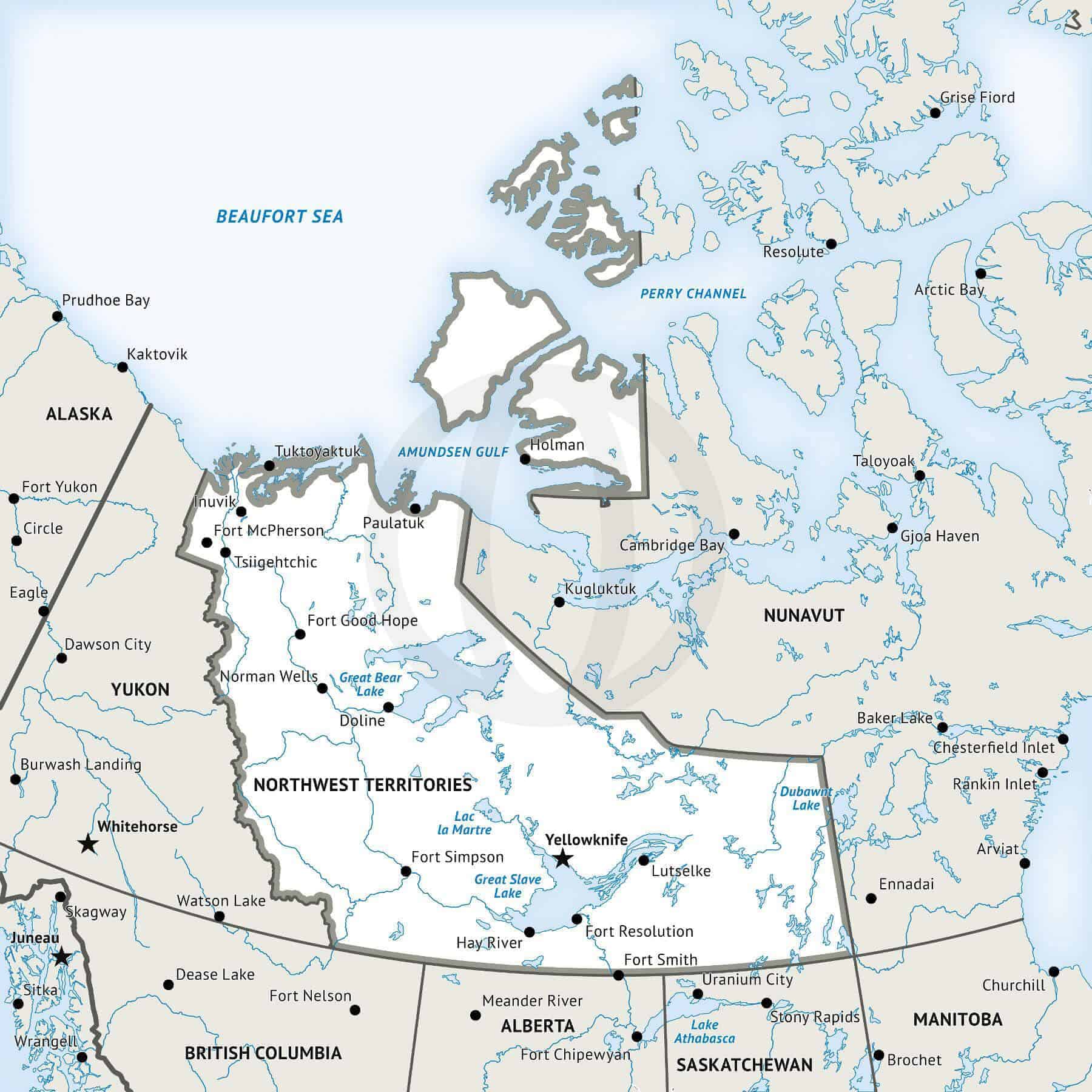
Yellowknife is weird. I mean that in the best possible way. Most people imagine the Northwest Territories capital city as some frozen, desolate outpost where people huddle in igloos and wait for the sun to come up. Honestly? It couldn’t be further from the truth. If you fly into YZF expecting a quiet village, the traffic on Franklin Avenue is going to be a massive reality check. It’s a place where gold miners, government bureaucrats, and world-class photographers all rub shoulders at the same coffee shop.
You’ve got a city built literally on some of the oldest rock on the planet. We’re talking the Slave Craton, which dates back four billion years. Think about that for a second. While most of the world is worried about the latest tech trend, Yellowknife is sitting on the literal foundation of the Earth. It’s rugged. It’s shiny. And it’s way more cosmopolitan than you’d think.
The Gold, The Diamonds, and The Pivot
Yellowknife didn't just happen by accident. It exists because someone found gold in 1934. Before that, the Yellowknives Dene First Nation—the Wiiliideh—had been using the area for generations. They’re the namesake of the city, though the "yellow knife" actually refers to the copper tools they used, not gold.
By the late 30s, the place was booming. It was a classic frontier town. Rough. Rowdy. Dirty. But the gold eventually started to run thin. The Con Mine and Giant Mine were the lifeblood of the city for decades, but when they closed, people thought Yellowknife might just dry up and blow away in the subarctic wind.
Then came the diamonds.
In 1991, geologists Chuck Fipke and Stewart Blusson found indicator minerals in the Lac de Gras area. It changed everything. Suddenly, the Northwest Territories capital city wasn’t just a gold town anymore; it was the diamond capital of North America. Today, that legacy lives on, though the economy is shifting again toward government administration and a massive influx of aurora-seeking tourists.
Why Does It Look Like That? Old Town vs. New Town
If you’re walking around, you’ll notice a jarring split in how the city is laid out. It’s basically two different worlds.
Old Town is down by the water. It’s chaotic. It’s beautiful. You’ll see shacks built directly onto the rocks next to multi-million dollar homes. There are no straight lines here. Why? Because the early settlers just built wherever they could find a flat-ish spot on the Canadian Shield. You’ve got the famous Ragged Ass Road—yes, that’s the real name—which perfectly captures the grit of the early days.
New Town is the "uptown" area. This is where you find the high-rises. It’s a bit of a shock to see a 15-story building in the middle of the wilderness, but Yellowknife is the administrative hub for a massive chunk of Canada.
"Yellowknife is the only place I've been where you can buy a $7 latte and then walk five minutes to see a floatplane take off from a frozen lake," says local photographer Dave Brosha. It’s that contrast that makes it stick in your head.
Living With the Lights
Let’s talk about the Aurora Borealis. Most people come here in the winter specifically to see the lights.
Because Yellowknife is flat and sits directly under the "Auroral Oval," it’s statistically one of the best places on Earth to see them. If you stay for three nights, you have a better than 90% chance of a sighting. It’s not just a faint green glow, either. It’s a violent, dancing violet-and-green explosion that makes you feel very, very small.
But for the people living in the Northwest Territories capital city, the lights are just... Tuesday. You’ll be taking the trash out and realize the sky is screaming in neon. You kind of get used to it, but also you never really do.
The cold is the other thing. It’s a dry cold, which locals will tell you "isn't that bad," but they’re lying. It’s -40 degrees Celsius. At that temperature, the scales are the same: -40 C is -40 F. Your eyelashes freeze together. Your car needs to be plugged in or it becomes a very expensive paperweight.
The Reality of the Giant Mine Legacy
It’s not all pretty lights and diamonds. You can’t talk about Yellowknife without mentioning the Giant Mine. It’s a bit of a dark cloud hanging over the city. During the gold-roasting process, the mine produced 237,000 tonnes of arsenic trioxide dust.
It’s still there. Stored underground in frozen chambers.
The Canadian government is currently undergoing a multi-billion dollar remediation project to keep that arsenic frozen forever. It’s a massive engineering challenge and a constant reminder of the environmental cost of the frontier spirit. It’s something the city is grappling with as it looks toward a "greener" future.
Food, Culture, and the "Bullocks" Experience
You haven't actually been to Yellowknife unless you've eaten at Bullocks’ Bistro. It’s legendary. It’s located in a log shack in Old Town. The walls are covered in stickers and graffiti from decades of travelers. They serve wild-caught fish—debeaked whitefish, trout, and pickerel—straight from Great Slave Lake.
Great Slave Lake is the deepest lake in North America. It’s over 600 meters deep in spots. In the winter, it turns into a highway. The "Ice Road" connects Yellowknife to the community of Dettah. Driving on it for the first time is terrifying. You hear the ice cracking and popping under your tires.
But for locals, it’s just a shortcut.
Why the Population is So Young
The average age in Yellowknife is significantly lower than the rest of Canada. It’s a city of young professionals. People move here for "two years" to make some money or jumpstart their careers in law, nursing, or mining, and then they end up staying for twenty.
There’s a sense of "we’re all in this together" because of the isolation. If your car won't start in the morning, a stranger will probably stop to boost you within three minutes. You have to be nice; you might need that person to pull you out of a snowbank tomorrow.
Natural Semantic Nuances of the North
When people search for the Northwest Territories capital city, they often miss the political complexity. Yellowknife is the seat of a consensus government.
Unlike the rest of Canada, there are no political parties in the Legislative Assembly. No Liberals, no Conservatives. MLAs are elected as independents, and they then elect the Premier and Cabinet from among themselves. It’s a system designed to encourage cooperation, though honestly, it can be just as spicy as partisan politics.
The Legislative Assembly building itself is a work of art. It’s shaped like a zinc-domed reindeer fence and features a floor made of 400-million-year-old flagstone. It’s open to the public, and you can just walk in and see the mace—the symbol of the legislature's authority—which is encrusted with local diamonds and gold.
Surprising Facts About Yellowknife
- The Sun never really sets in June. You can play a full round of golf at midnight. It’s called the Midnight Sun Golf Tournament, and it’s as chaotic as it sounds.
- Houseboats are a thing. There’s a community of people living on houseboats on Great Slave Lake to avoid property taxes. They haul their own water and deal with their own waste, but the views are unbeatable.
- It’s a "Big City" in a small package. You’ve got a movie theater, a Walmart, and fancy restaurants, but you can also be in the middle of the true wilderness in a 10-minute drive.
- The "Yellowknife" name. It actually comes from the Copper Dene people, who used tools made of native copper found near the Coppermine River.
How to Actually Experience the Capital City
If you're planning to head north, don't just stay in a hotel.
Get out on the Ingraham Trail. It’s a highway that leads away from the city into the heart of the bush. There are dozens of lakes along the way—Cameron Falls is a must-hike.
In the winter, visit the Snowking's Winter Festival. A guy literally builds a massive castle out of snow and ice on the frozen lake every March. It has a sliding hill, a stage for live music, and a bar. It’s the peak of Yellowknife culture.
Actionable Steps for Visiting or Moving to Yellowknife
If you’re seriously looking at the Northwest Territories capital city, here is what you actually need to do:
- Gear Up: Don't buy "winter gear" in Vancouver or Toronto. It won't work. Buy your parka when you get here or order from a Northern-specific brand like Canada Goose (the real ones) or local artisans who make seal-skin mitts.
- Timing Matters: Come in March for the best experience. The days are longer, the Snowking castle is open, and the aurora is still vibrant. Plus, the "Long John Jamboree" happens then.
- Respect the Land: Remember that you are on Chief Drygeese Territory. Learn the history of the Dene people before you arrive. It adds a layer of depth to the landscape that you won't get from a brochure.
- Check the Aurora Forecast: Download the "Aurora Forecast" app or check the University of Alaska Fairbanks site. It’s more accurate than your weather app.
- Book Accommodations Early: Since the diamond mines use Yellowknife as a staging ground, hotels fill up fast with workers and tourists.
Yellowknife isn't just a dot on a map. It’s a resilient, shiny, slightly grimy, and incredibly welcoming place. It’s a city that shouldn't exist, yet it thrives in one of the harshest environments on the planet. Whether you’re there for the gold, the diamonds, or just the chance to see the sky turn green, it’s a place that stays with you.
Once you've experienced a Yellowknife sunset at 11:30 PM, the rest of the world starts to feel a little bit boring.
Next Steps for Your Trip Planning:
- Check the official Northwest Territories Tourism website for current travel advisories.
- Look into the City of Yellowknife municipal site to see the calendar for the Snowking Festival if you are visiting in the spring.
- Ensure your vehicle is equipped with a block heater and a battery blanket if you are driving up the Mackenzie Highway in the winter months.