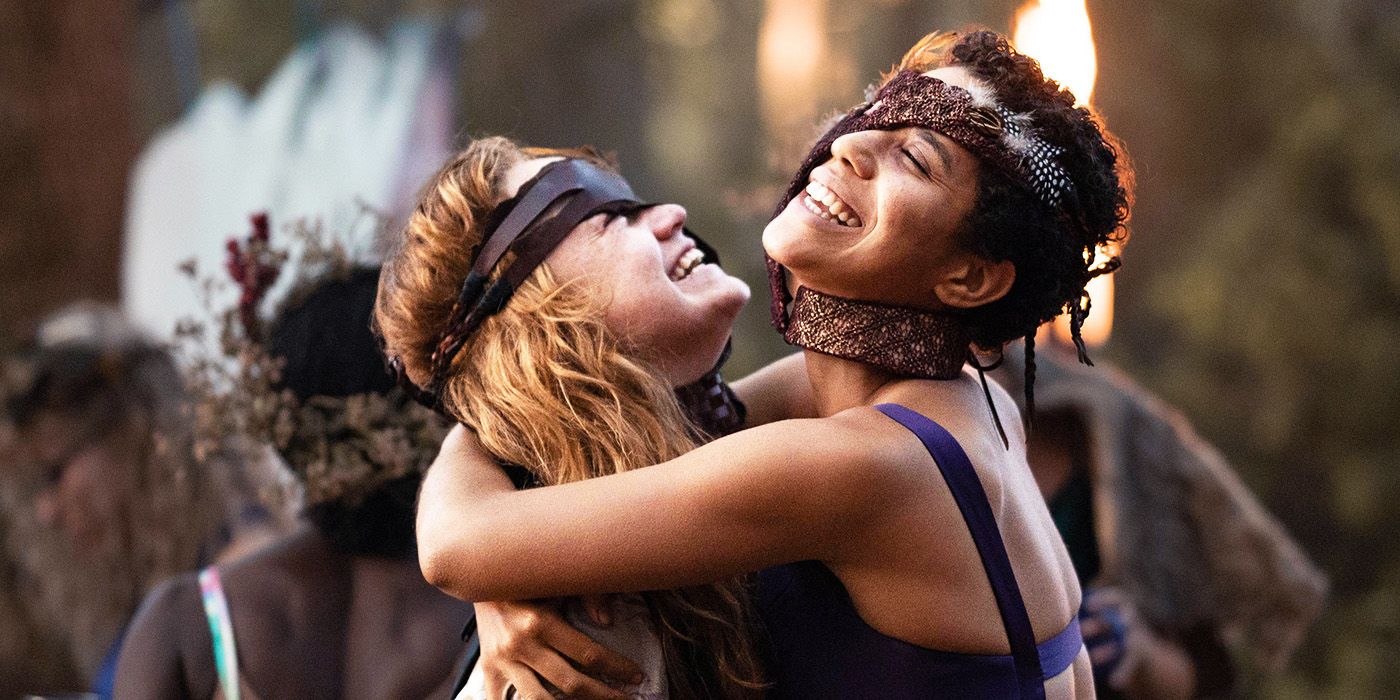
You're watching a group of teenagers freeze to death in the Canadian wilderness while simultaneously watching their adult counterparts commit light treason in New Jersey. It’s a lot to track. If you’ve found yourself scratching your head wondering when is Yellowjackets set, you aren't alone. The show's timeline is a tangled web of trauma, hairspray, and questionable 90s fashion choices. It doesn't just sit in one year; it jumps around like a scratched CD in a portable Discman.
Honestly, the timeline is the character. It’s the driving force of the mystery.
To understand the show, you have to understand the gap between who these girls were and who they became. We are looking at two primary eras, with a few haunting flashbacks to the 1970s and 1980s sprinkled in for flavor. But the meat of the story? It’s split between the mid-90s and the early 2020s.
The 1996 Era: Everything Changed in May
The survival timeline kicks off in 1996. This is the anchor point for the entire series. Specifically, the Wiskayok High School girls' soccer team boards a private plane in May 1996. They were headed to Seattle for the private school nationals. They never made it.
The crash happens in 1996, and the girls are stranded for nineteen months. Do the math, and that takes us through the entirety of 1997 and into the beginning of 1998. This is why the seasons matter so much in the show. Season 1 of the show covers that first spring, summer, and fall. By the time the Season 1 finale rolls around, the first snow has fallen. It’s late 1996.
By Season 2, we are deep in the "Starvation Summer" transition into a brutal 1997 winter.
The 90s setting isn't just a vibe. It's a plot necessity. Think about it. If this happened in 2026, someone would have a satellite phone. Or a GPS tracker. Or at the very least, a smartphone with an offline map. In 1996, they had nothing but a compass and vibes. The isolation feels earned because, back then, you really could just... disappear. Showrunners Ashley Lyle and Bart Nickerson have been very specific about the 1996 start date because it perfectly captures that pre-digital world.
Why the 90s aesthetic feels so real
The show gets the details right. The music—from Mazzy Star to Portishead—screams 1996. The fashion, the lack of parental supervision, the specific way they talk. It’s all intentional. It anchors the "past" timeline in a reality that feels grounded, making the supernatural (or psychological) elements feel even more jarring.
The Modern Day Timeline: 2021 and Beyond
While the girls are fighting wolves in the woods, the survivors are fighting their own demons in the present. The "adult" timeline begins in 2021. This coincides with the 25th anniversary of the crash.
It’s a deliberate choice. Twenty-five years is a massive milestone. It’s long enough for the survivors to have built entire lives, careers, and families, but short enough that the trauma is still vibrating right under the surface. In 2021, Shauna is a bored housewife, Taissa is running for state senate, Natalie is fresh out of rehab, and Misty is... well, Misty is still a terrifying citizen detective.
As the show progresses into its second and third seasons, the modern timeline moves forward at a slower pace than the 90s timeline. While the 90s portion covers months of survival, the 2021 timeline often covers only weeks of "current" chaos.
The 2021-2022 crossover
By the end of the second season, we’ve moved slightly into 2022 in the modern era. The show handles this by keeping the tension high and the timeline tight. They aren't jumping years ahead in the present; they are living through the immediate fallout of being blackmailed and reunited.
Breaking Down the "Other" Timelines
It would be too simple if there were only two eras. Yellowjackets loves a flashback.
We see glimpses of Lottie’s childhood in the 1980s, specifically around the time she first starts showing signs of her "visions" (or mental illness, depending on which character you ask). We also get looks at the survivors’ return to civilization in 1998. This "post-rescue" era is arguably the most mysterious part of the show. We know they were rescued after 19 months, but we haven't seen the immediate aftermath of how they integrated back into a world that thought they were dead.
Expect the show to spend a lot more time in 1998 as it progresses. That’s the "missing link" between the feral teenagers and the broken adults.
How the Seasons Map to the Years
If you're trying to track the progression across the actual TV seasons, here is the rough breakdown of the chronology:
- Season 1: May 1996 to roughly November 1996 in the past; 2021 in the present.
- Season 2: Late 1996 through the winter of 1997 in the past; 2021/early 2022 in the present.
- Season 3: Predicted to cover the spring and summer of 1997 in the past; 2022 in the present.
The 19-month window is the key. Since they crashed in May 1996, their rescue should happen around December 1997 or January 1998. The writers have a five-season plan, so they are pacing the 90s timeline carefully to ensure they don't run out of "wilderness" before the story is done.
Fact-Checking the 19-Month Myth
There is a lot of talk online about exactly how long they were out there. The show confirms it’s 19 months.
Some fans get confused because the pilot episode features a "pit girl" scene with heavy snow, which many assumed happened right at the start. It didn't. That scene is a flash-forward to the second winter (late 1997). By the time you see the girls wearing animal pelts and ritualistic masks, they’ve already been out there for over a year.
It takes time to go from "high school soccer star" to "member of a cannibalistic forest cult." The timeline allows for that slow, grueling erosion of humanity.
Real-World Comparisons: The Andes Flight Disaster
To understand why the 1996-1998 timeframe is so specific, you have to look at the real-world inspiration: the 1972 Uruguayan Air Force Flight 571 crash in the Andes.
In that real-life tragedy, the survivors were stranded for 72 days. Yellowjackets ups the ante significantly by stretching that out to nearly two years. The timeline is designed to be a "worst-case scenario." By setting it in the mid-90s, the creators also tapped into a specific era of "girlhood" that was defined by both empowerment and intense, often toxic, social hierarchies.
Navigating the Mystery: What to Watch For
When you are watching, pay attention to the hair. It sounds silly, but it’s the best way to track the timeline. In the 90s, as the months go by, the girls' hair gets greasier, their clothes get more layered, and their skin gets more weathered. In the present, the color palette is much cooler and more sterile compared to the warm, grainy look of the 1996 footage.
If you’re ever lost, look at the technology.
- 1996: Payphones, VHS tapes, landlines, and those chunky yellow Sony Sports Walkmans.
- 2021: iPhones, social media, and modern forensic tech.
The contrast is the point. The show is asking: can you ever really leave the woods?
The Takeaway for Fans
Understanding when is Yellowjackets set is the first step to solving the bigger puzzle. The show isn't just about what happened; it's about how long it took for things to fall apart. Nineteen months is a lifetime when you're seventeen.
If you want to keep your theories straight, keep a mental calendar. We are currently approaching the mid-point of their isolation in the past timeline. Things are about to get much, much worse before that 1998 rescue finally happens.
Actionable Insights for Viewers:
- Re-watch the Pilot: Now that you know the "Pit Girl" scene happens in late 1997, watch the costumes. You can spot who is still alive by the jewelry and clothing items they are wearing.
- Track the Seasons: The 1996-1998 timeline relies heavily on the weather. If there is snow, it's either very late 1996 or the "starvation winter" of 1997.
- Ignore the "Present Day" Year on Posters: While some promotional materials just say "today," the internal logic of the show is firmly set starting in 2021 to maintain that 25-year trauma gap.
Keep an eye on the flashbacks to 1998. That is where the real answers about the "Antler Queen" and the survivors' pact likely hide. We’ve seen the crash, and we’ve seen the aftermath decades later, but the moment they stepped back into the world is the bridge that hasn't been fully built yet.



