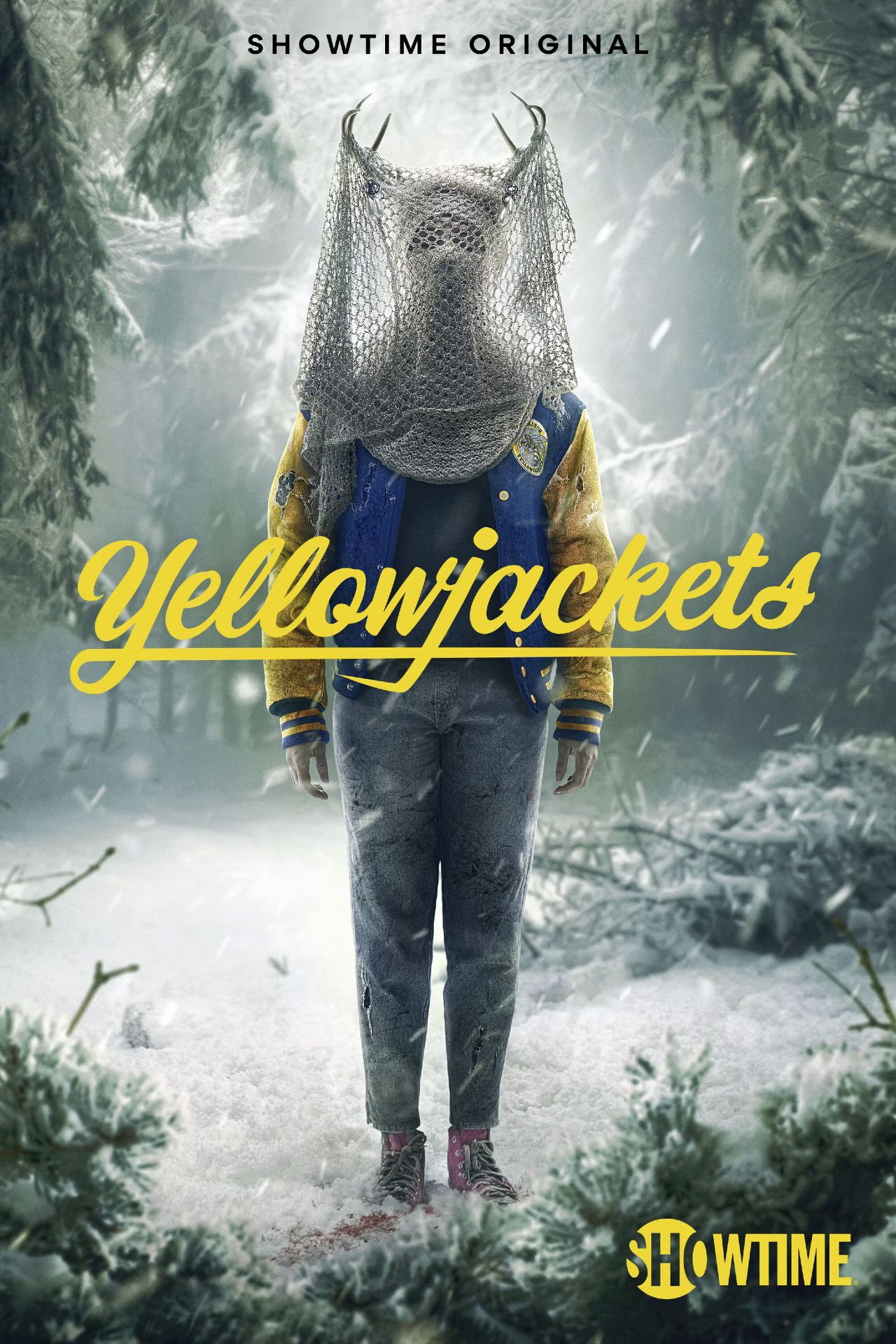
Showtime took a massive gamble on a story about teenage girls eating each other in the woods. It paid off. When Yellowjackets season 1 episode 1, titled "Pilot," first aired, nobody really knew if the blend of 90s nostalgia and grim cannibalism would actually work. It’s been years, and we’re still talking about it. Why? Because it’s rare to see a pilot that establishes two different timelines with such aggressive confidence. It’s brutal.
The episode opens with a girl running through the snow. She’s wearing a nightgown. She’s terrified. We see her fall into a pit of sharpened stakes. It’s visceral. Then, we see a group of people draped in furs and animal skins—the "Antler Queen" and her court—eating what we assume is their former teammate. This isn't just a hook; it's a promise. A promise that things are going to get very, very dark.
What Really Happened in Yellowjackets Season 1 Episode 1
Most people remember the crash, but the "Pilot" is actually a masterclass in character setup. We meet the Wiskayok High School girls' soccer team in 1996. They’re the "Yellowjackets." They’re champions. But beneath the surface, the team is a mess of resentments and secrets.
Take Jackie and Shauna. Jackie is the golden girl, the captain. Shauna is the quiet best friend living in her shadow. Within the first forty minutes, we find out Shauna is sleeping with Jackie’s boyfriend, Jeff. It’s a classic teen drama trope flipped on its head because we know these girls are about to be stranded in the wilderness for 19 months. The betrayal feels heavier when you realize the stakes aren't just social—they're survival-based.
Then there’s Taissa. She’s hyper-competitive. So competitive that she intentionally breaks the leg of a freshman teammate, Allie, during practice because she thinks Allie isn't good enough for the national tournament. The bone snapping through the skin is a hard watch. It signals to the audience that Taissa is willing to do whatever it takes to win. That trait doesn't go away when she grows up and runs for state senate in 2021.
The 2021 Timeline: Trauma Doesn't Just Fade
The dual-narrative structure is what keeps the show grounded. In 2021, we see the survivors as adults. They’re "fine." Well, they’re pretending to be fine.
- Shauna is a bored housewife killing rabbits in her garden.
- Taissa is an ambitious politician with a weirdly intense family life.
- Natalie is getting out of rehab, still mourning the loss of her purpose.
- Misty is a manipulative nurse who probably enjoys her job a little too much.
Seeing them as adults before we even see the plane go down creates a specific kind of tension. You aren't just wondering if they survive; you’re wondering how they became the broken people they are now. The contrast between the vibrant, 90s-saturated soccer field and the muted, sterile reality of their adult lives is jarring. It’s meant to be.
The Music and the Vibe of 1996
Music is basically a character in this episode. You've got "Today" by The Smashing Pumpkins playing over the departure, which feels ironic and heartbreaking. Then there's "Miss World" by Courtney Love’s band, Hole. It perfectly captures that 90s riot grrrl energy.
The production design nails the era without making it feel like a parody. The oversized flannel shirts, the butterfly clips, the lack of cell phones—it all serves the plot. When the plane’s electrical system starts failing over the Canadian Rockies, there’s no GPS to save them. No one can text for help. They are truly, utterly alone.
Misconceptions About the Cannibalism Hook
A lot of viewers jumped into Yellowjackets season 1 episode 1 thinking it was just a "female Lord of the Flies." That’s a bit of a lazy comparison. While William Golding’s book looked at the breakdown of social order among boys, Yellowjackets looks at the evolution of a new, darker social order among girls.
The "Pit Girl" scene at the beginning led many to think the show would be a slasher. It’s not. It’s a psychological horror-drama. The creators, Ashley Lyle and Bart Nickerson, have been vocal about the fact that the cannibalism isn't the point—it’s the "why" and the "how" that matter. They’ve cited the 1972 Andes flight disaster (the "Alive" story) as a major influence. In that real-life tragedy, survivors had to make impossible choices. Yellowjackets takes that premise and adds a layer of potentially supernatural (or perhaps just delusional) ritualism.
The Mystery of the Symbol
In the pilot, we see a strange symbol carved into a tree near the crash site and later, we see it in the adult timeline. It looks like a stick figure with a hook and a circle. Fans have spent years dissecting this. Is it a map? A ritualistic sigil?
Actually, in the context of the first episode, it serves as the first breadcrumb of a larger mythology. It suggests that they weren't the first people in those woods. Or, more disturbingly, that the woods themselves have a will. When the plane finally clips the trees and the screen goes black, the symbol is the thing that lingers.
Why Misty is the Most Dangerous Character
If you watch the pilot closely, Misty Quigley is the one to keep an eye on. In 1996, she’s the equipment manager. She’s bullied. She’s the girl nobody wants to hang out with. But when the plane crashes, she’s the only one who knows first aid. For the first time in her life, she’s needed.
The end of the episode shows Misty finding the plane’s black box (the flight recorder). She hears the other girls praising her skills. What does she do? She smashes the box. She destroys their only hope of being tracked and rescued. Why? Because she wants to stay in a world where she is important. It’s one of the most chilling character beats in modern television. It proves that the biggest threat to the group isn't the wolves or the starvation—it’s each other.
How to Analyze the Pilot Like an Expert
When re-watching Yellowjackets season 1 episode 1, look for the mirrors. Notice how adult Shauna’s movements in her kitchen mirror her movements in the 1996 wilderness. Notice the way the "Antler Queen" sits—it’s a posture we see repeated in various characters throughout the season.
The "Pilot" isn't just an introduction; it's a blueprint. Every major conflict of the first two seasons is seeded in these first sixty minutes. The pregnancy, the power struggle, the postcards—it’s all there if you’re looking.
Actionable Insights for Fans and New Viewers
To get the most out of the Yellowjackets experience starting from the pilot, focus on these specific elements:
- Track the jewelry: Pay close attention to the heart-shaped necklace. It moves from character to character and usually signals who is in danger or who is "next."
- Ignore the "Supernatural vs. Rational" debate for now: The show thrives on ambiguity. If you try to decide too early if the woods are haunted or if the girls are just traumatized, you'll miss the nuance of the performances.
- Watch the background characters: Many of the girls in the background of the pilot become central players later. The show is great at "elevating" extras into the main plot once the numbers start thinning out.
- Compare the "Pit Girl" features: While the identity of the girl in the opening scene is a major spoiler for later seasons, looking at her hair and physical build during a pilot re-watch helps you appreciate the red herrings the writers laid out.
The pilot of Yellowjackets succeeds because it refuses to blink. It shows you the end of the story—the ritualistic hunting—and then asks you to care about the teenagers before they became monsters. It’s a haunting, effective piece of television that redefined the survival horror genre for a new generation.



