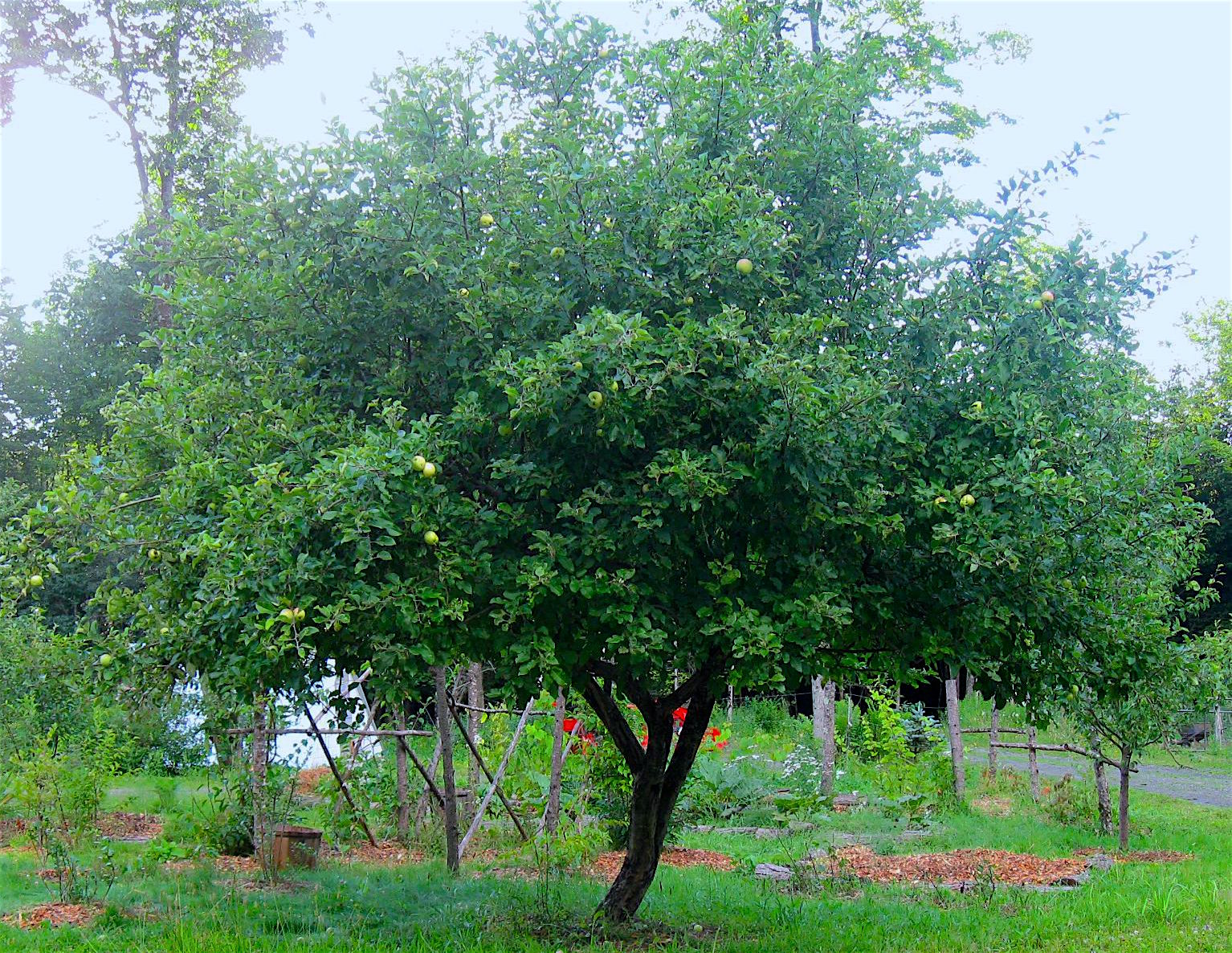
You’re standing in the garden in mid-July. The heat is thick. Most apple trees are just starting to bulk up their fruit, hard green marbles that won't be ready until September. But then there’s the yellow transparent apple tree. It’s different. This tree is basically the sprinter of the orchard world. While everyone else is still warming up, the Yellow Transparent is already crossing the finish line, dropping fruit that looks like glowing, pale-yellow lanterns against the summer leaves.
It’s an old soul. Honestly, if you find one of these in a backyard today, it’s often because a grandparent planted it fifty years ago.
The skin is so thin it’s almost translucent—hence the name. You can practically see the juice inside. But here’s the thing: it’s a high-maintenance relationship. You have about a forty-eight-hour window to pick these apples before they turn into something resembling wet sawdust. If you miss that window? Well, you’re mostly just feeding the wasps.
Where the Yellow Transparent Apple Tree Actually Came From
People talk about "heritage" varieties all the time, but this one has the passport to prove it. It’s a Russian emigrant. It first showed up in the United States around 1870, thanks to the USDA’s efforts to find fruit trees that wouldn't die the second a frost hit. It came from a nursery in Riga, Latvia (which was part of the Russian Empire back then).
Because it’s a northern variety, it’s tough. Cold hardy? Absolutely. We’re talking Zone 3 tough. If you live in a place where winters feel like a personal insult from nature, the yellow transparent apple tree will likely survive when a Honeycrisp would just give up.
It’s technically known as 'Skvoznalonitche' in its homeland. Try saying that three times fast while pruning. The US pomologists realized that name wasn't going to fly with American farmers, so they rebranded it. The USDA’s William Saunders was one of the key figures in getting this tree distributed across the states. By the late 1800s, it was the go-to summer apple for homesteaders who were sick of waiting until October for a pie.
The Physics of the "Mealy" Apple
The texture is the biggest point of contention. Most modern apples are bred for "cell wall strength." That’s why a Gala stays crunchy in your fridge for three months. The Yellow Transparent? It has zero cell wall strength. It’s built for speed, not endurance. As soon as it hits peak ripeness, the starches convert to sugar so fast that the internal structure begins to collapse.
It gets "mealy."
If you’ve ever bitten into an apple and felt like you were eating a spoonful of slightly damp flour, it was probably an overripe Yellow Transparent. This is why you never see them in grocery stores. They can't handle the shipping. They bruise if you even look at them too hard. A single thumbprint can turn into a brown soft spot by the time you walk from the tree to the kitchen.
Growing This Diva in Your Own Backyard
Don't let the "diva" comment scare you. Growing a yellow transparent apple tree is actually pretty straightforward if you respect its quirks.
First, it’s a heavy producer. It’s almost aggressive. It will try to grow more apples than its branches can physically support. If you don't thin the fruit in June, you’ll end up with a million tiny apples the size of golf balls and a snapped branch. You’ve gotta be ruthless. Pinch off those extra clusters. Leave one apple every six inches. It feels wrong to throw away potential food, but your tree will thank you with larger, better-tasting fruit.
Pollination is another thing. It’s not self-fertile. You need a buddy.
- White Pearmain works well.
- Akane is a great mid-season partner.
- Even a simple Crabapple will usually do the trick.
Fire blight is the big villain here. This variety is notoriously susceptible. If you see a branch that looks like someone took a blowtorch to it—blackened, shriveled, hooked like a shepherd’s crook—that’s fire blight. You have to cut it out immediately. Sterilize your pruners with alcohol between every single cut. If you don't, you’re just spreading the infection like a backyard surgeon with dirty tools.
Soil and Sun Requirements
It’s not super picky about soil, but it hates wet feet. If your yard turns into a swamp every time it rains, plant it on a mound. It needs full sun—at least six to eight hours. Sunlight is what develops that pale, buttery color. Without enough sun, the fruit stays a dull, sour green and never quite gets that "transparent" glow.
Why Bother? The Culinary Magic
If this tree is so finicky, why do people still plant it? Because it makes the single best applesauce on the planet. Period.
Most apples require a lot of cooking and mashing to break down. The yellow transparent apple tree basically turns itself into sauce the moment it hits boiling water. You don't even need much sugar. The flavor is sharp, tart, and intensely "appley." It’s a nostalgic flavor.
Pro-Tip for the Kitchen: Don't peel them if you’re making sauce. The skin is so thin it disappears during cooking, and it adds a bit of pectin to help the sauce set. Just core them, chop them, and throw them in a pot with a splash of water or cider.
Aside from sauce, they’re the "First Responders" of pie season. While everyone else is waiting for the autumn harvest, you’re eating fresh apple crisp in July. Just remember to use a thickener like cornstarch or arrowroot. These apples are juicy, and if you aren't careful, your pie will have a "soggy bottom" that would make a British bake-off judge weep.
The Scarcity Factor and Modern Orchards
You won't find these at a commercial orchard unless they have a "heritage" or "pick-your-own" section. Commercial growers hate them. You can't use mechanical harvesters. You can't store them in CA (Controlled Atmosphere) rooms for months. They are the antithesis of the modern industrial food system.
But for a home gardener, that’s exactly the appeal.
It represents a time when fruit was seasonal. You ate it when it was ready, you canned the rest, and then it was gone until next year. There’s something special about that. It forces you to pay attention to the seasons. You can’t procrastinate with a Yellow Transparent. It demands your presence.
Misconceptions About Taste
Some people think they’re too sour. They aren't "too sour"—they’re just not a dessert apple. If you’re looking for something to eat out of hand like a Fuji, this isn't it. It’s a cooking apple. It’s meant to be manipulated with heat and maybe a little cinnamon.
That said, if you catch one just before it’s fully yellow—when it still has a hint of green—it’s a crisp, tart snack that’s incredibly refreshing on a 90-degree day. It’s like a natural palate cleanser.
How to Manage a Harvest Without Losing Your Mind
Because the fruit ripens all at once and spoils fast, you need a plan.
- Get the jars ready early. Don't wait until the apples are falling. Have your canning setup sterilized and ready by the first week of July.
- Check the tree daily. Once you see the first apple drop, the clock has started.
- The "Shake" Method. If you’re making sauce, give the branches a gentle shake. The ones that fall are the ones you want. The ones that stay are still building flavor.
- Cold storage helps... a little. You can squeeze an extra week out of them if you put them in a cold fridge immediately after picking. But don't expect miracles.
The Future of the Yellow Transparent
We’re seeing a bit of a resurgence in heritage fruit. People are tired of the "plastic" taste of supermarket apples. They want flavor, and they want history. The yellow transparent apple tree offers both. It’s a connection to the 19th-century homestead, a hardy survivor that doesn't need a PhD in chemistry to keep alive.
It’s also an excellent choice for "edible landscaping." It’s a beautiful tree. In the spring, it’s covered in snowy white blossoms that smell incredible. It doesn't get massive like some old seedling trees; if you get it on a semi-dwarf rootstock, it stays a manageable 12 to 15 feet.
Practical Steps for Success
If you’re thinking about adding one to your yard, here is what you need to do right now:
- Order Bare-Root in Winter: Most nurseries sell out of heritage varieties by February. Get your order in early for spring planting.
- Identify Your Pollinator: Make sure you have another apple tree nearby that blooms at the same time (Early Season).
- Buy a Fruit Picker: Since these apples bruise so easily, don't let them hit the ground. A telescopic fruit picker with a padded basket is worth every penny.
- Prune for Airflow: Because of the fire blight risk, keep the center of the tree open. Airflow dries out the leaves and branches after rain, which prevents bacteria from taking hold.
Ultimately, the Yellow Transparent isn't for everyone. It’s for the gardener who enjoys the ritual of the harvest. It’s for the person who loves the smell of simmering applesauce wafting through a screen door while the cicadas buzz outside. It’s a fleeting, ephemeral bit of summer that reminds us that the best things in life don't last forever—and that’s exactly why they’re valuable.
Instead of looking for a "perfect" all-purpose apple, embrace the specificity of this one. It does one thing—early summer cooking—better than any other tree on the planet. Plant it for the sauce, keep it for the history, and just make sure you have your canning jars ready before the Fourth of July.